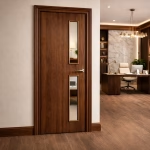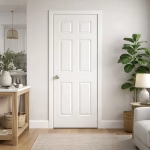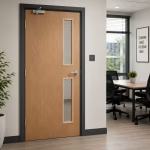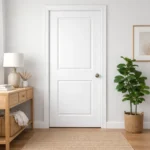
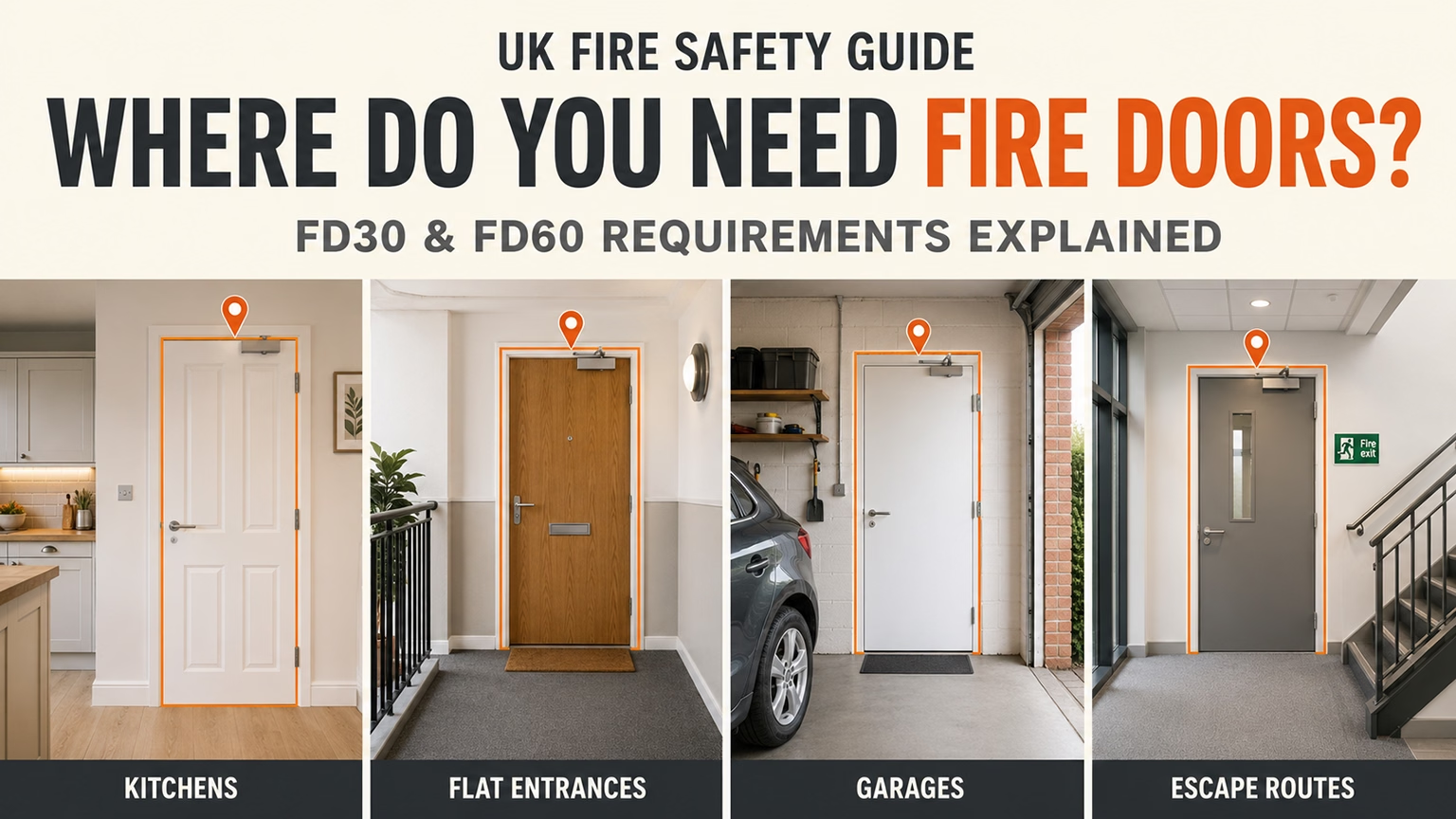
Whether it’s a domestic or a commercial property, in the UK they’re legally required to have fire doors installed. So, if you’re a landlord or a tenant, you must install appropriate internal fire doors in the correct locations. But, where do you need fire doors? This is a common question because many people don’t know where fire doors are required. In this blog, you’ll find out what a fire door actually is, where should they be installed, what are the relevant fire door regulations, and more.
What Do Fire Doors Do?
An internal fire door is designed to prevent or slow the spread of fire to other parts of a building. As barriers that keep smoke, flames, and dangerous gases contained during a fire, fire doors are a crucial component of passive fire protection. They make a significant difference in keeping people and other parts of the building safe during a fire. When closed, fire and smoke cannot spread to other areas for a certain period of time.
One of their main roles is to divide the building into sections. When closed, fire doors create a seal that stops fire and smoke from spreading quickly to other parts of the structure. This reduces damage and provides people with more time to safely exit the building by keeping the fire contained at its point of origin.
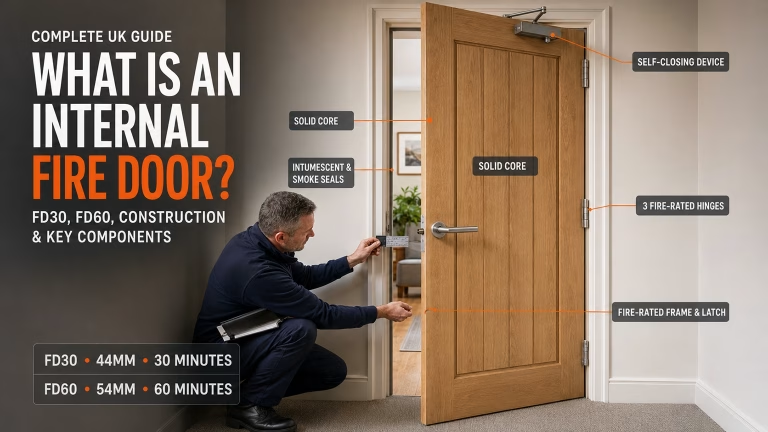
Internal fire doors are critical components of building protection systems designed to prevent the spread of fire and smoke within a structure.
Fire Door Features
Fire doors are made with high-grade, fire-resistant components and materials, unlike standard doors, which are made with regular materials. The material of a fire door can be wood, steel, or even glass. Additionally, they can be installed as single or double doors. The other features that ensure fire doors are protective during a fire include:
- A minimum of three heat-resistant, commercial-grade hinges
- An automatic door closer
- Intumescent seals, smoke seals, acoustic seals, or a combination of these
- Specially tempered fire-resistant glazing
- In some cases, a fire door retainer
- Appropriate signage, such as ‘Automatic Fire Door,’ ‘Fire Exit,’ or ‘Fire Door – Keep Shut’ signs
Materials in Fire Doors vs. Standard Doors
The core of fire doors is typically filled with materials like gypsum, vermiculite boards, or mineral wool. These materials provide insulation and stop heat transfer. So, they can keep the door cool even during a fire. As fire doors need to be protective against fire and slow the spread of it, they should be made by resistant materials such as:
- Gypsum: It is heat-resistant and commonly used as a core material.
- Steel: Its features include strength, durability, and fire resistance.
- Timber: Used for its structural benefits, often treated with fire retardants.
- Aluminium: Occasionally incorporated alongside other fire-resistant materials.
On the other hand, standard doors are made with a wide range of materials, including:
- Wood
- Glass
- Metal
- Or Blends of wood, glass, and metal for enhanced design and functionality.
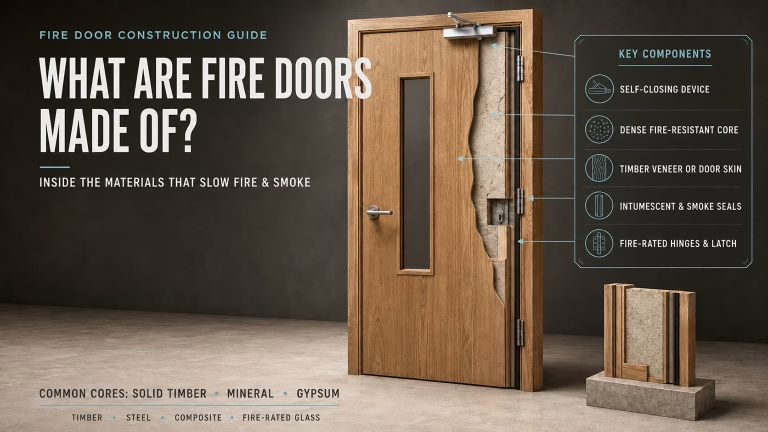
What are fire doors made of? They are built with strong materials like solid wood, gypsum, or steel that can handle high heat. Heat-activated seals…
Where Are Fire Doors Required?
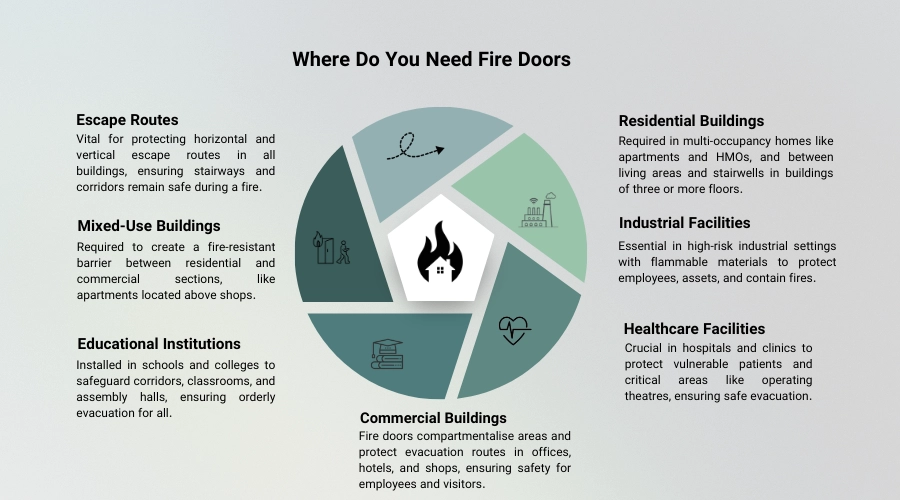
Fire doors are an essential part of buildings for fire safety. They’re legally required to be installed in almost every buildings, including business premises, non-residential buildings, residential properties, or those with mixed-use. Here, we explain where you need fire doors.
1- Commercial Buildings:
Fire emergencies can occur in commercial buildings. In such a dangerous situation, employees, customers, and visitors should have safe evacuation routes. In this case, fire doors play an important role by compartmentalising different areas of a building. Additionally, they safeguard sensitive and busy locations, such as hallways and stairwells, ensuring they are safe and accessible in an emergency. Some commercial buildings that require fire doors include:
- Offices,
- Hotels,
- Restaurants,
- Shops and Retail Stores,
- Shopping Centres,
- Warehouses,
- Public Buildings.
2- Residential Buildings:
Most multi-occupancy homes, including apartments and assisted living facilities, are legally required to have fire doors. Fire doors can reduce damage and give people more time to escape by preventing fires from quickly spreading between apartments. It is necessary to have fire doors between living rooms and stairwells in residences with three floors or more.
HMO flats are subject to several regulations. In apartments higher than 4.5 metres, fire doors are required between living rooms and stairwells, as well as in common areas. Ground-floor apartments may need fire doors if the entry leads to shared areas.
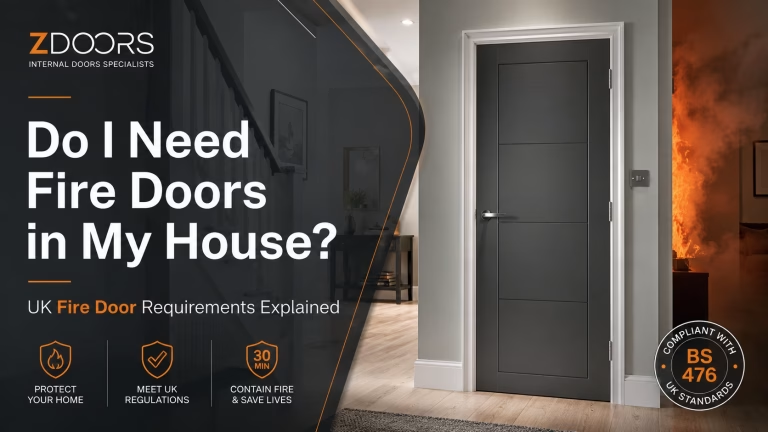
Fire doors prevent fire and smoke to a specific area, preventing them from spreading throughout the premises. This containment is vital, as it preserves escape…
3- Industrial Facilities:
Industrial facilities have a high risk of fire because of flammable materials and heavy machinery. To prevent fire from spreading to other areas, as well as protect employees and valuable assets, fire doors are essential. By using these doors, we can divide the building into fire-resistant sections and manage the fire more effectively.
4- Educational Institutions:
In educational institutions, fire doors should be installed where large groups of people gather, including corridors, classrooms, and assembly halls. This reduces the overall risk to life and property, safeguards critical areas, and permits orderly evacuations. Educational institutions that require fire doors include:
- Schools,
- Colleges,
- Universities,
- Nurseries and Daycare Centres,
- Training Centres,
- Adult Education Centres,
- Technical Institutes.
5- Healthcare Facilities:
Hospitals, clinics, and other healthcare facilities are at high risk during fires, especially for patients who aren’t able to escape easily. Hence, such places require fire doors to protect important areas like operating theatres and wards. By using these doors in healthcare facilities, staff can help patients to safe places. At the same time, firefighters have more time to put out the fire.
6- Mixed-Use Buildings:
Some buildings serve both residential and commercial purposes, like buildings with flats above shops. These buildings require fire doors between the two sections to prevent fire from spreading between two sections. Some mix-use buildings include:
- Residential-Commercial Buildings (e.g., apartments above shops or offices)
- Live-Work Units
- Hotel and Retail Complexes
- Residential and Office Buildings
- Apartment Buildings with Ground-Floor Retail
- Shopping Centres with Residential Flats
- Mixed-use developments with Commercial, Residential, and Leisure Spaces
7- Horizontal and Vertical Escape Routes:
Almost all buildings have escape routes, and fire doors are essential for them to provide a safe area for people. Fire doors are essential for both horizontal and vertical escape routes. Vertical escape routes lead you to stairs so you can safely reach the ground floor, while horizontal escape routes lead you to an exit or a safe spot on the same floor.
Now that you know the answer to “Where Are Fire Doors Required??”, let’s see which kind of fire-resistant door is suitable for you.
Where Do You Need a 60-minute Fire-Rated Door (FD60)?
FD60 fire doors are more common in:
- Commercial and public buildings.
- Areas of public buildings that have a high risk like kitchens, and boiler rooms.
- Storage areas containing flammable materials.
- Industries with heavy machinery or hazardous products that require more fire resistance.
- Buildings with multiple floors or intricate designs that require longer escape times.
- Care homes
Where Do You Need a 30-minute Fire-Rated Door (FD30)?
FD30 fire doors are often used in homes, but you might also find them in:
- Rooms of homes with fireplaces or electrical appliances.
- Interior doors in single-family homes that lead to escape routes.
- The doors lead to individual apartments in homes.
- Doors in low-risk locations where it is thought that 30 minutes of fire resistance is enough.
- Places like resident rooms and common areas are less likely to catch fire.
Where Do You Need Fire Doors in a House?
To increase fire safety in your house, you should strategically install fire doors in key areas such as:
- Kitchen: Kitchens are at high risk of fire. That’s why it’s essential to separate them from other spaces with a fire-resistant door.
- Garage: If your garage has direct access to other living areas, it’s necessary to use a fire door.
- Basement: To protect escape routes and contain fires, you need this kind of door for your basement.
- Hallways and Stairs: These are necessary to create a safe escape route and provide additional protection.
- Converted Loft or Attic: As loft spaces can be dangerous, you need a fire door to contain a fire in this area.
Are fire doors a legal requirement?
Yes! In the United Kingdom, installing fire doors is a legal requirement, especially in non-domestic buildings and some houses. Due to the Fire Safety (England) Regulations 2022, fire doors, specifically flat entrance doors, must be maintained in efficient working order and proper repair. Regular checks are necessary to ensure they close automatically and function correctly.
- Note: Exact fire door regulations vary based on the building’s use, size, and occupancy.
Regulations of Fire Doors in the UK
Fire safety laws and standards in the UK ensure that all fire protection measures are properly implemented. That’s why strict regulations for fire doors include the following:
Residential Building Rules
1. Fire doors are required at the entrances to common areas and apartments in multi-occupied buildings (such as HMOs and flats).
2. These doors must be installed between the entrance and the habitable areas of flats higher than 4.5 metres.
3. Fire-resistant doors are only necessary for ground-floor flats if the entrance leads to a common area.
4. These doors must be installed in each habitable room leading to a stairwell in homes with three or more floors, including those with loft conversions.
Commercial and Public Buildings
1. All public and commercial buildings must comply with the requirements of Approved Document B.
2. Any significant alterations to buildings must comply with current fire door regulations, and fire doors must be installed in common and high-risk areas.
Is it essential to install internal fire doors for a house renovation project?
If you’re building a new house or renovating an existing one, it’s essential to use fire-resistant doors if it will have three or more floors, including loft conversions. Any bedroom, living room, or other room leading to the stairs must have a fire door.
We recommend hiring an architect for your project so they can advise you on all the requirements and handle the regulations for you.
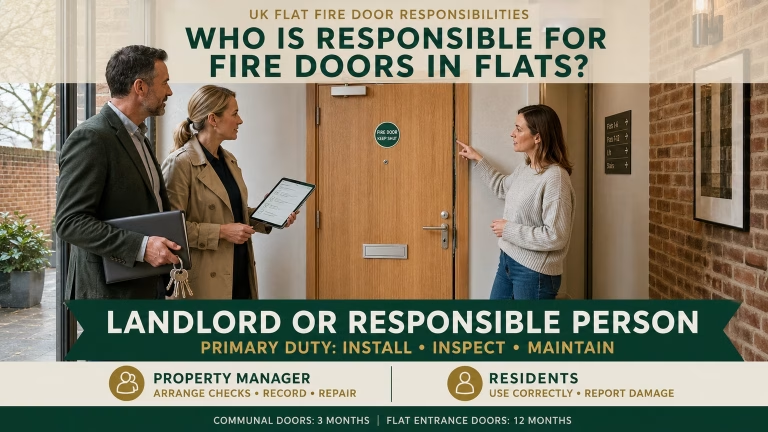
Landlords need to install, inspect, and maintain compliant fire doors under the Regulatory Reform (Fire Safety) Order 2005 and Building Regulations. Tenants need to use…
Is Fireproof Paint a Suitable Alternative?
No! Fireproof paint on your door cannot prevent a fire from spreading and is not a safe option. It does not comply with British Woodworking Federation (BWF) standards for meeting safety regulations. Instead of using fireproof paint as an alternative, install a fire-resistant door to adhere to safety rules and protect people.

You can paint fire doors if you follow safety guidelines to maintain their fire-resistant properties. It’s better to choose fire-resistant intumescent paint. It is possible…
Can Internal Fire Doors Contain Glass?
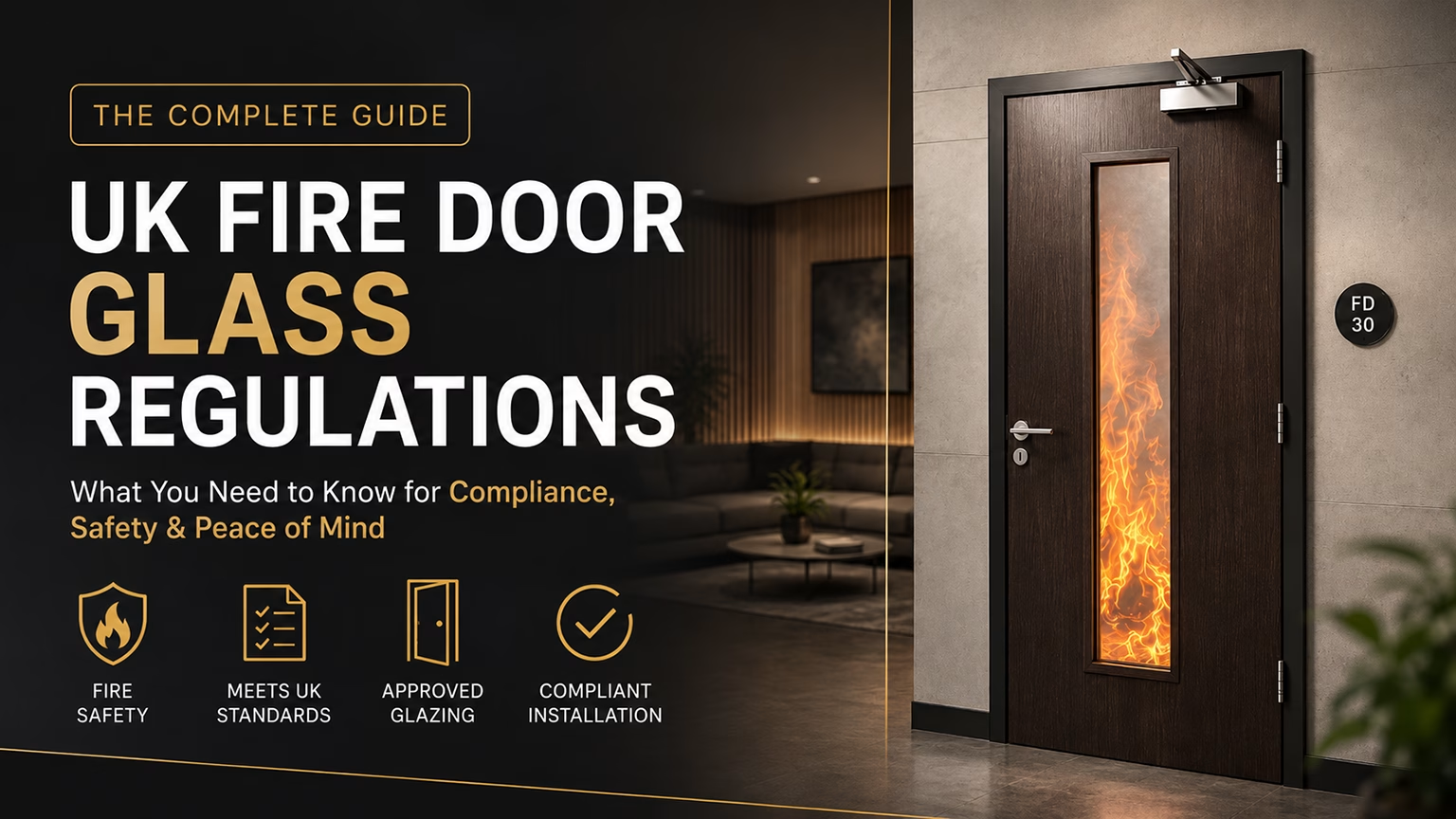
Yes, internal fire doors can contain glass. There are different kinds of fire doors. One type, called glazed fire doors, uses fire-resistant glass for both aesthetic appeal and safety. Glazed fire doors are frequently used in contemporary workplaces and public spaces, incorporating vision panels that provide visibility between different areas. If you want to allow light to pass through while ensuring protection, glazed fire doors are an excellent option. The fire-resistant glass can withstand temperatures of up to 900 degrees Celsius, which is over seven times the resistance of normal glass.
Who Can Install Fire Doors?
To ensure fire-resistant doors function effectively, you should rely on professionals for installation. If the door is installed improperly, its certification will be invalidated, and it won’t function as intended. Legally, it is the responsibility of the “responsible person” to ensure that fire doors are properly installed. The Regulatory Reform (Fire Safety) Order 2005 (RRO) outlines these duties. This individual, who must be experienced and knowledgeable, is responsible for ensuring that the door is installed correctly and inspected regularly.
Where Can I Buy Quality Fire Doors?
As fire-resistant doors are an important part of your building and can save lives, they should be purchased from trusted and specialised brands. Before buying, pay attention to these points:
To withstand fire and smoke for specific periods of time, they need to be certified and tested to comply with the relevant regulations (such as FD30, and FD60).
To effectively resist fire, they must have strong frames and be made of premium materials.
To guarantee proper fit and performance, they need to come with detailed instructions, and possibly even professional installation services.
Here at Z Doors, we’re dedicated to providing the features mentioned above for our customers. Additionally, we offer a variety of styles and colours to complement your interior décor. For more information about our fire doors, browse our collection.
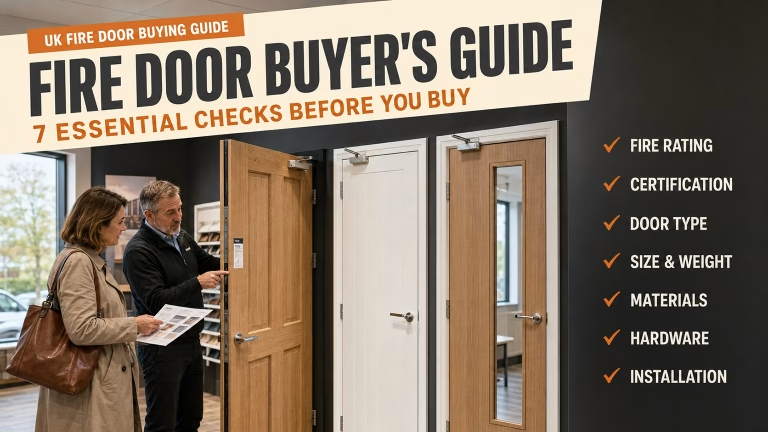
Have you ever considered the safety of your home or workplace against fire hazards? Since fire risk always exists and can occur at times, purchasing…
Conclusion
Overall, Fire doors are a better choice for your house as they are a more solid door that can keep the heat better than normal doors however, if you wish to use fire doors where they are needed, make sure to ask your local council of the exact locations that your property will need these fire doors. Although fire doors are highly effective and widely used, always remember that they require proper care.
Additionally, ensure their installation is taken seriously, and select the best fire door to avoid future issues. Keep in mind that the role of fire-resistant doors goes beyond merely complying with the law—they are a crucial measure for safeguarding lives.
FAQ
1) What is a fire door?
Fire doors are fire-resistant doors designed to enhance safety during a fire. These doors help prevent the spread of fire and toxic gases.
2) Do fire doors prevent fire if left open?
Unfortunately, if a fire door is left open, it cannot stop the fire from spreading. Therefore, always ensure it remains closed.
3) What are the different types of fire doors?
The most common types of fire doors include FD30 and FD60 doors. FD30 doors are the most widely used and can withstand fire for 30 minutes, while FD60 doors can withstand fire for 60 minutes. FD90 and FD120 doors also exist for places requiring even greater protection.
4) Where do you need fire doors?
• Commercial and public buildings.
• Residential buildings with three or more floors.
• Between a home and an integral garage.
• Flats or HMOs at entrances to communal spaces.