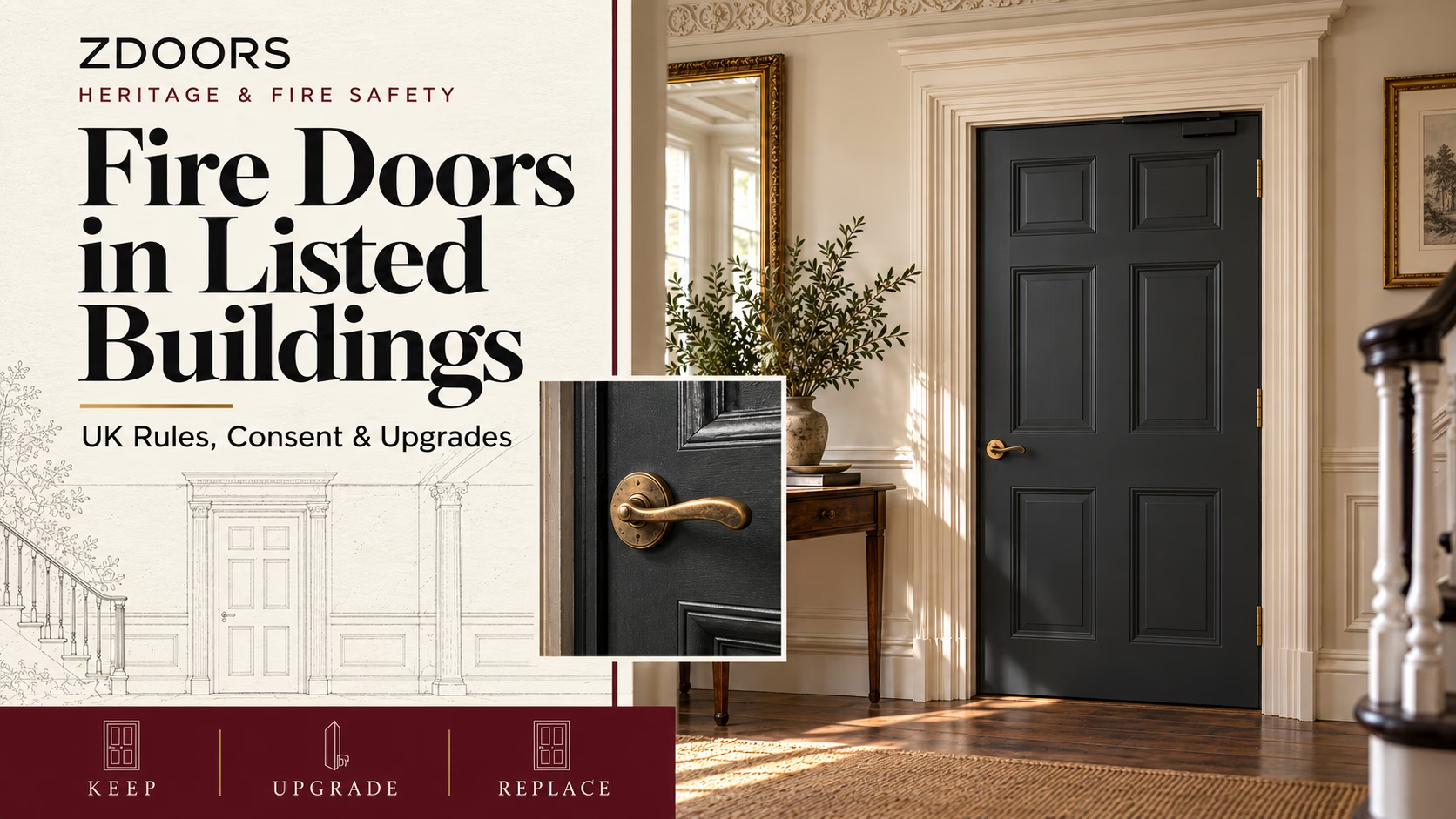
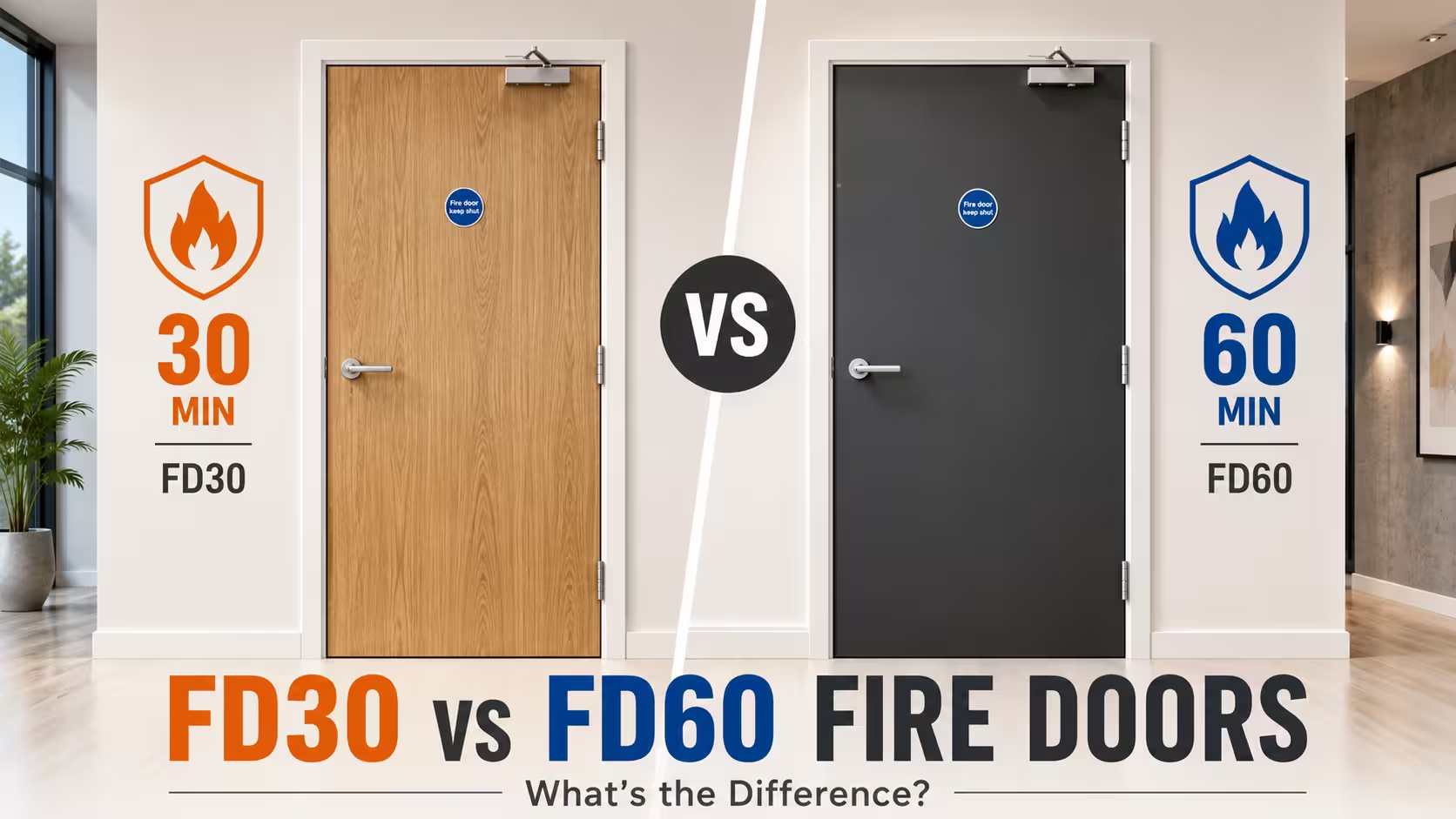
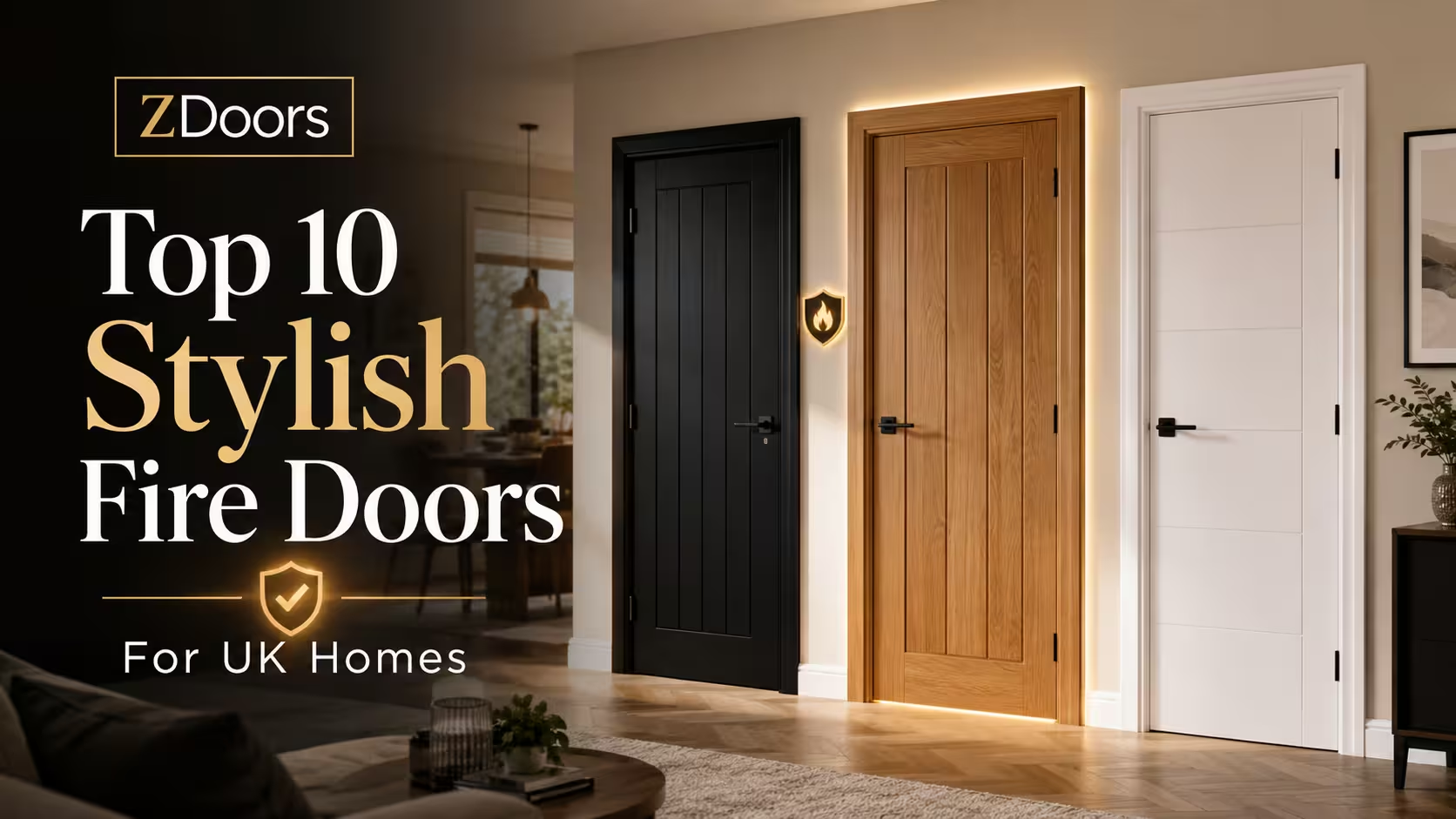
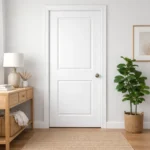
“FD doors” typically means fire-rated doors that have been tested for fire resistance. “FD” stands for Fire Door, and the number next to it indicates how many minutes the door is designed to resist the spread of fire in controlled test conditions.
Choosing stylish fire doors for UK homes isn’t just about meeting regulations; it’s about protecting your home, your family, and your peace of mind, while keeping your interior stylish.
Contractors can find many Cost-Effective Fire Doors for UK use by choosing smartly. The eight models above illustrate that even basic fire doors (flush or primed panel styles) can meet FD30 requirements affordably.
Choosing the right FD30 fire door for UK flats is essential for safety and compliance in 2025. This guide covers key factors (certification, core, finish, glazing), lists the top 10 stylish yet compliant doors from brands like LPD and Deanta, and shares vital maintenance and regulation tips.
Make sure the doorway is the proper size for your frame, clean it up, and level any uneven areas before installing a door frame. Next, carefully position the frame, holding it in place with small bricks, and use a level to make sure it is straight. After it is in place, screw it to the wall at the top, bottom, and middle, being careful not to screw it too tightly. Expanding foam should be used to fill in any gaps between the frame and the wall; once it has dried, trim off any excess. Finally, to conceal any gaps, adhere or nail cover strips around the frame. Finally, hang the door and check that it is easy to open and close.
How long do fire doors last? Their lifespan depends on several factors, including their fire rating (FD30 or FD60), where they are installed, and how well they are maintained. With regular inspections, at least every six months, and timely repairs, high-quality fire doors can remain effective for 20 to 30 years.
Should Fire Doors Be Wedged Open? Absolutely not unless it is done properly using methods that will be mentioned in this blog. Wedging fire doors open poses a serious safety risk, allowing fire and smoke to spread rapidly, endangering lives and property. While some may prop doors open for convenience, doing so is dangerous and often illegal under UK fire safety laws. Propping doors open can also invalidate insurance and lead to legal and financial penalties. Safe alternatives include acoustic or magnetic fire door retainers and free-swing overhead door closers.
In the UK, fire doors require inspection at least every six months, as specified in BS 9999. For high-traffic environments like schools, hospitals, and similar facilities, it’s smart to conduct checks even more frequently. This isn’t just about satisfying compliance; catching damage or issues early can prevent bigger headaches later.
What are fire doors made of? They are built with strong materials like solid wood, gypsum, or steel that can handle high heat. Heat-activated seals around the edges expand in a fire to block gaps. Some fire doors also have special glass that stays strong in heat. The outside can be finished with wood veneer, paint, or laminates, just as long as they meet fire safety rules.
Landlords need to install, inspect, and maintain compliant fire doors under the Regulatory Reform (Fire Safety) Order 2005 and Building Regulations. Tenants need to use the fire doors as intended and report any issues promptly, but they’re not authorized to make changes or replacements themselves.