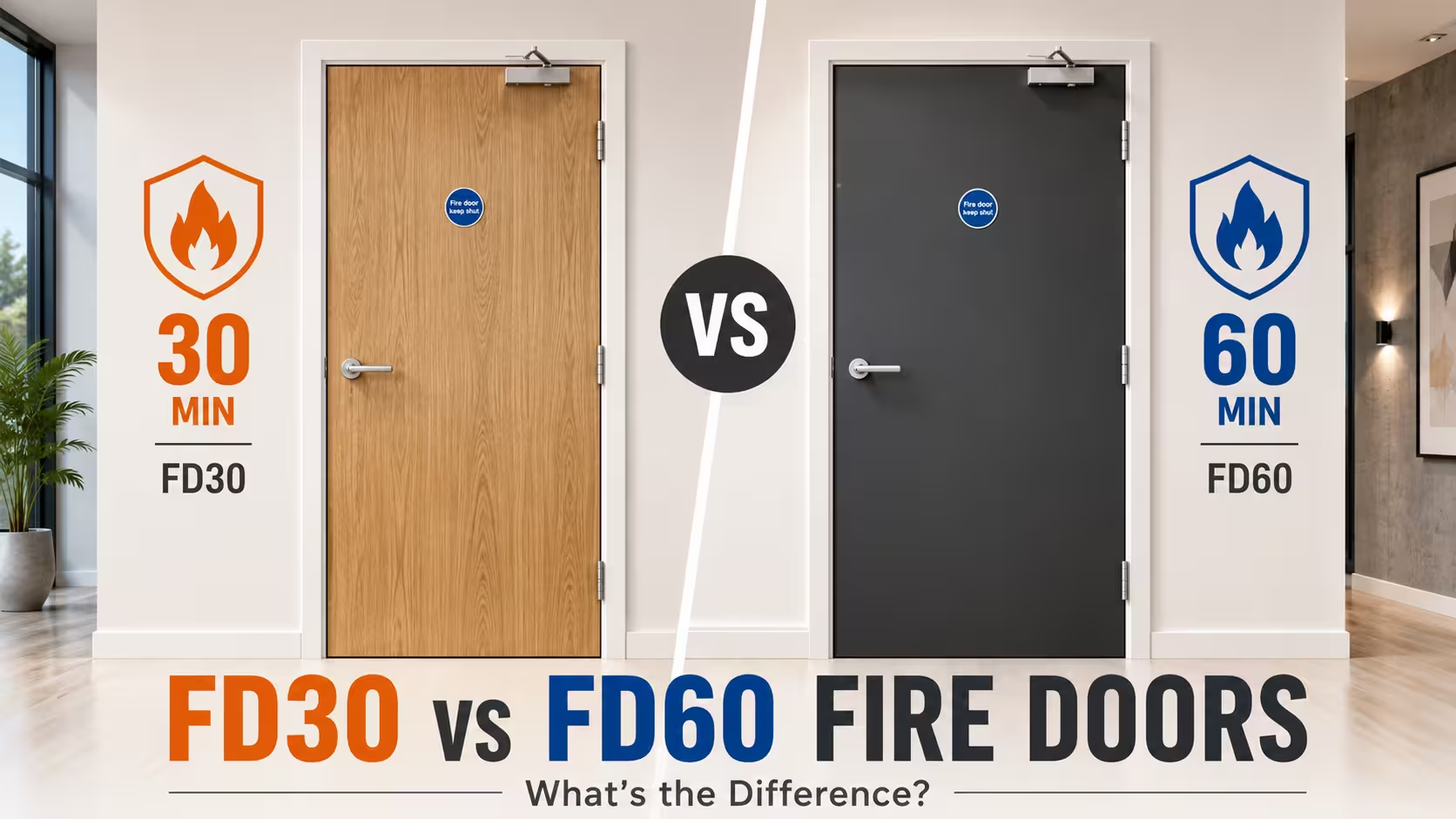
“FD doors” typically means fire-rated doors that have been tested for fire resistance. “FD” stands for Fire Door, and the number next to it indicates how many minutes the door is designed to resist the spread of fire in controlled test conditions.
In this blog post, we explore FD30 vs FD60 in detail, explaining their key differences, where each type is used, and how to choose the right fire door based on building requirements and fire safety regulations.
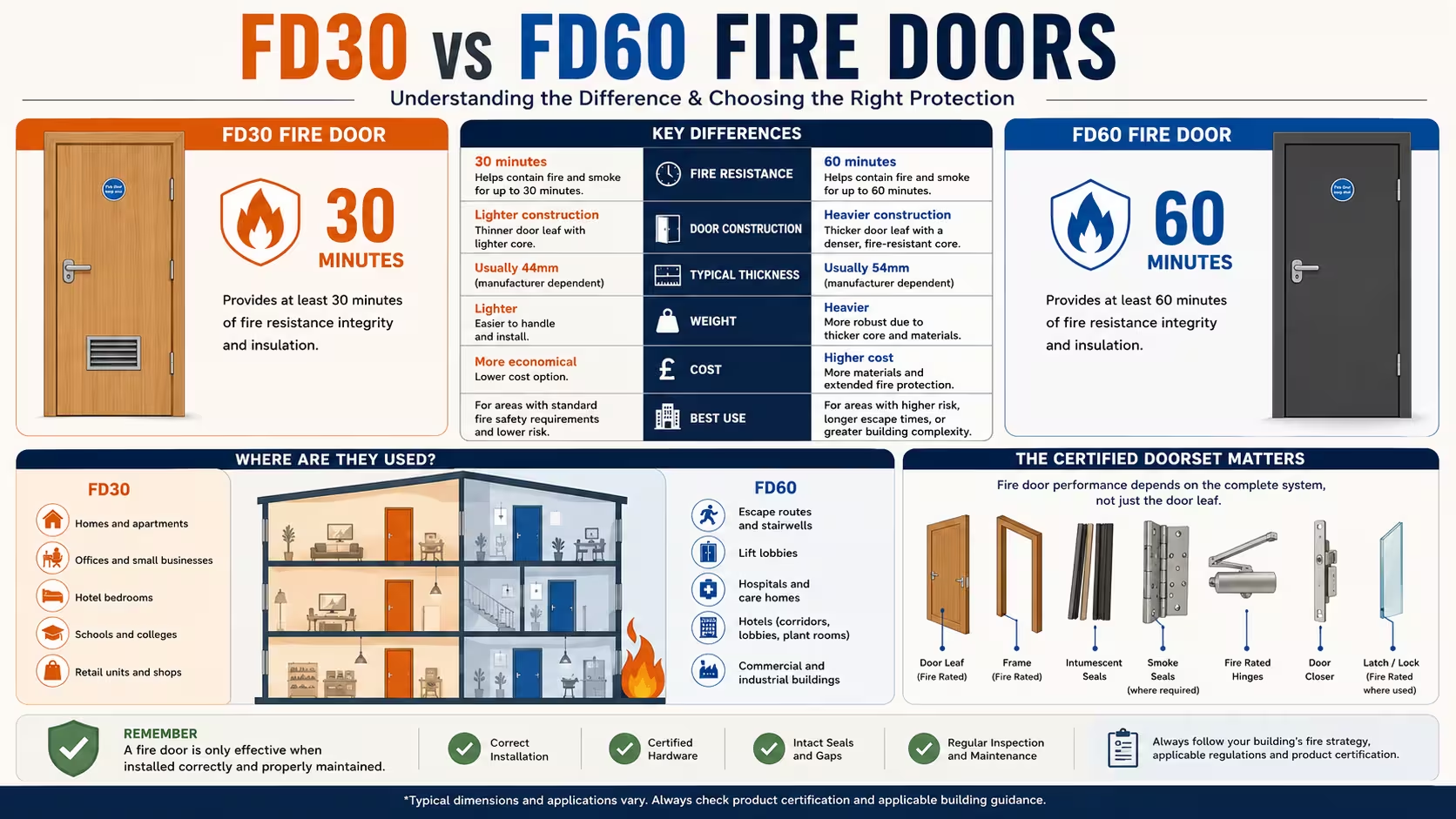
Here’s the difference:
| Fire Rating | Fire Resistance | Typical Use |
| FD30 | 30 minutes | Homes, flats, offices, schools, corridors, and many standard compartment walls. |
| FD60 | 60 minutes | Higher-risk areas such as protected stairwells, Hospitals, Plant rooms, electrical rooms, and some high-rise buildings. |
The number simply refers to the minimum number of minutes the door can maintain its fire-resistant performance during testing.
What Do FD30 vs FD60 Fire Door Ratings Mean?
The number of different types of fire doors simply shows the minimum number of minutes the door can resist fire before letting flames and smoke into the space.
Common ratings include:
- FD30: Provides about 30 minutes of fire resistance.
- FD60: Provides about 60 minutes of fire resistance.
- FD90: Provides about 90 minutes of fire resistance.
- FD120: Provides about 120 minutes of fire resistance.
The Core Differences: FD30 vs FD60 Fire Doors
What’s the real difference between an FD30 and an FD60? It all comes down to how long the door can hold back fire and smoke to protect escape routes. While both are designed to slow the spread of fire and help protect escape routes, they are specified for different levels of fire risk and building requirements.
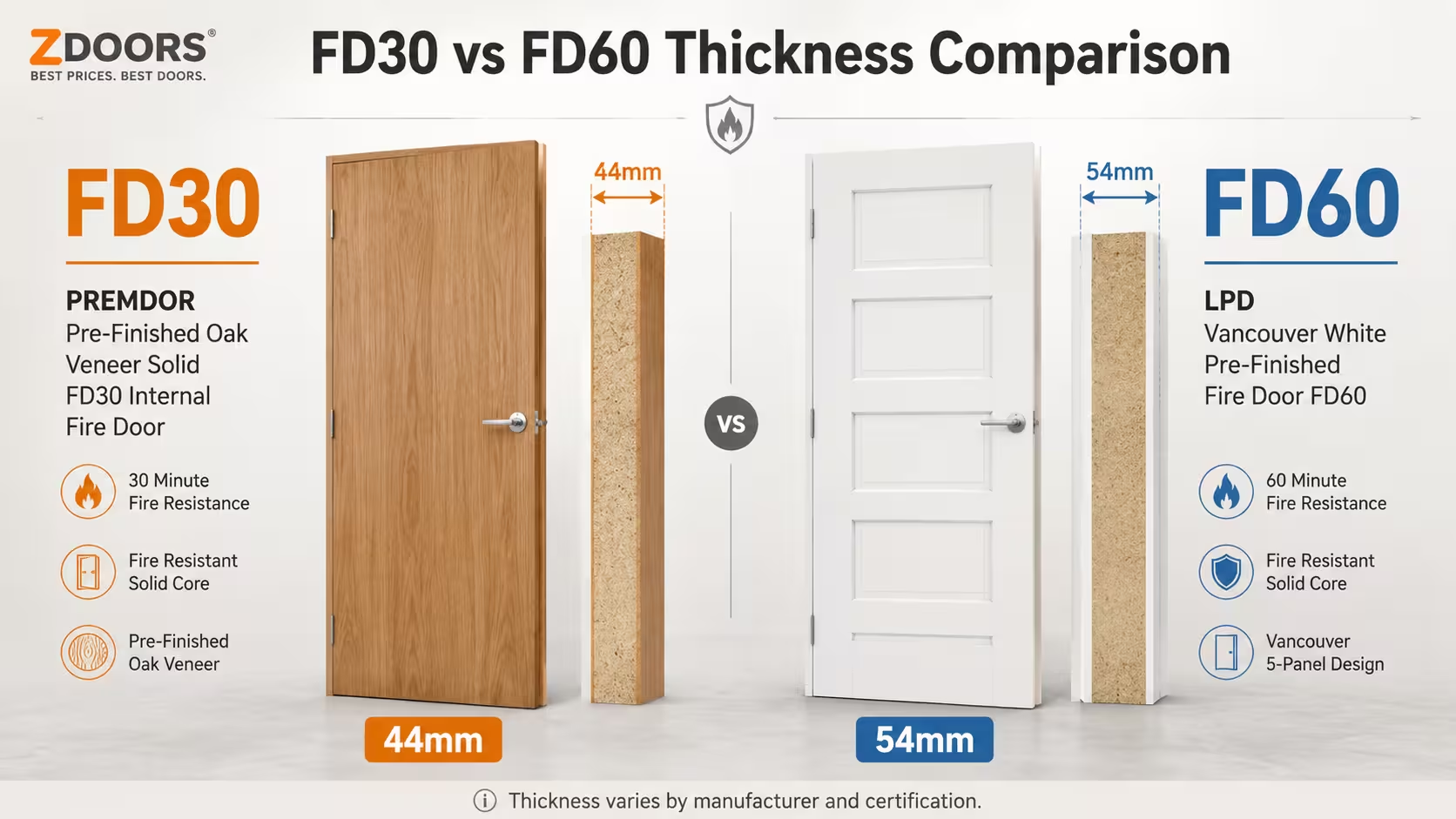
FD30 Fire Door
An FD30 fire door is tested and certified to provide at least 30 minutes of fire resistance when installed correctly with compatible frames, intumescent strips, smoke seals (where required), and approved ironmongery.
FD60 Fire Door
An FD60 fire door is designed to provide a minimum of 60 minutes of fire resistance under the same standardised test conditions. These doors typically incorporate a more robust construction and are used in higher-risk areas.
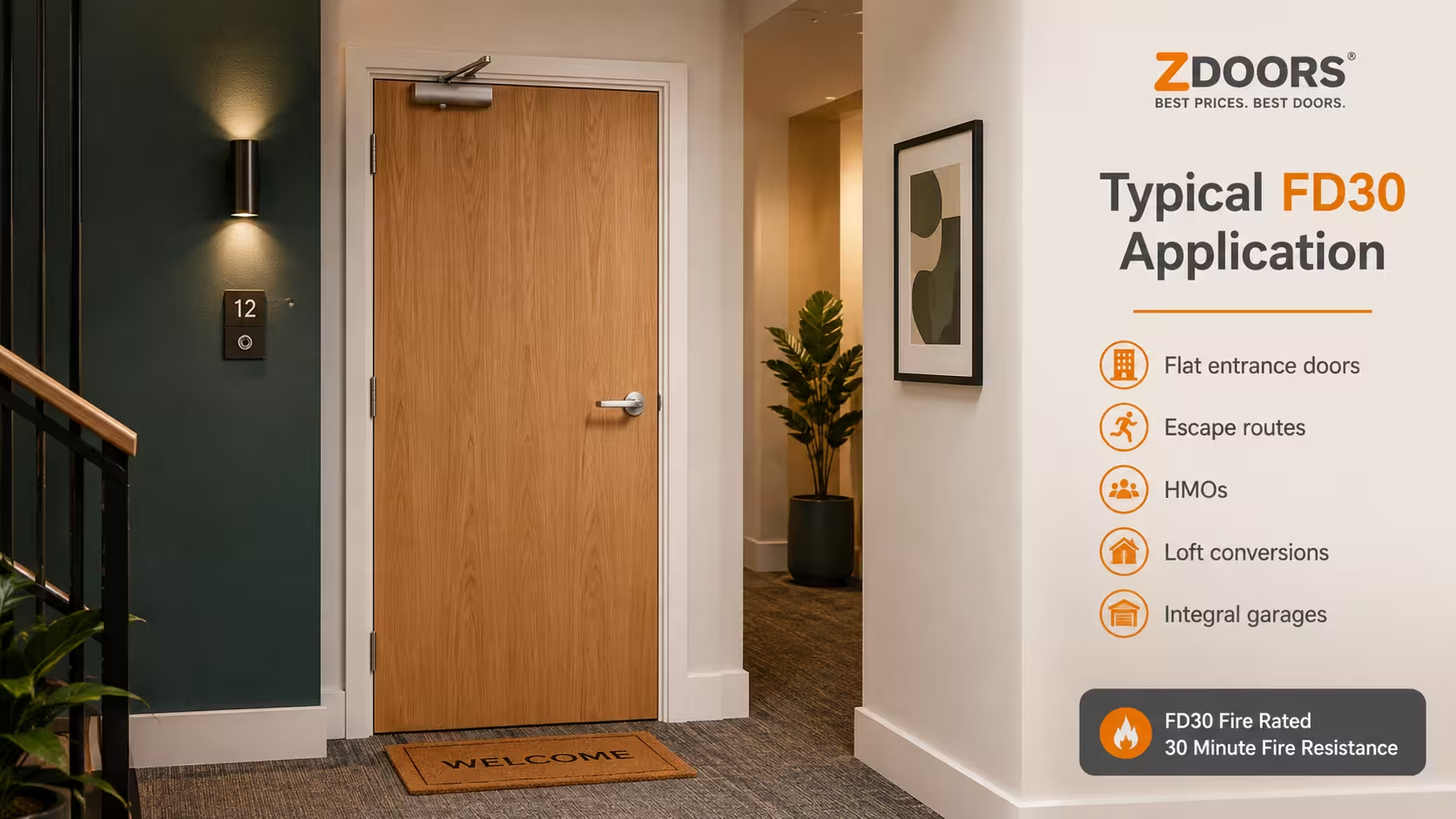
When Are FD30s Needed?
In the UK, there are several common scenarios where they are standard, such as:
- Flat entrance doors opening onto shared corridors or stairwells (typically FD30S with smoke seals).
- Escape route doors, including those protecting corridors and stairwells.
- Bedrooms and other key rooms in Houses in Multiple Occupation (HMOs).
- Loft conversions and three-storey homes, where fire doors protect the escape staircase.
- Doors between an integral garage and the house, usually specified as FD30S.
When Are FD60s Needed?
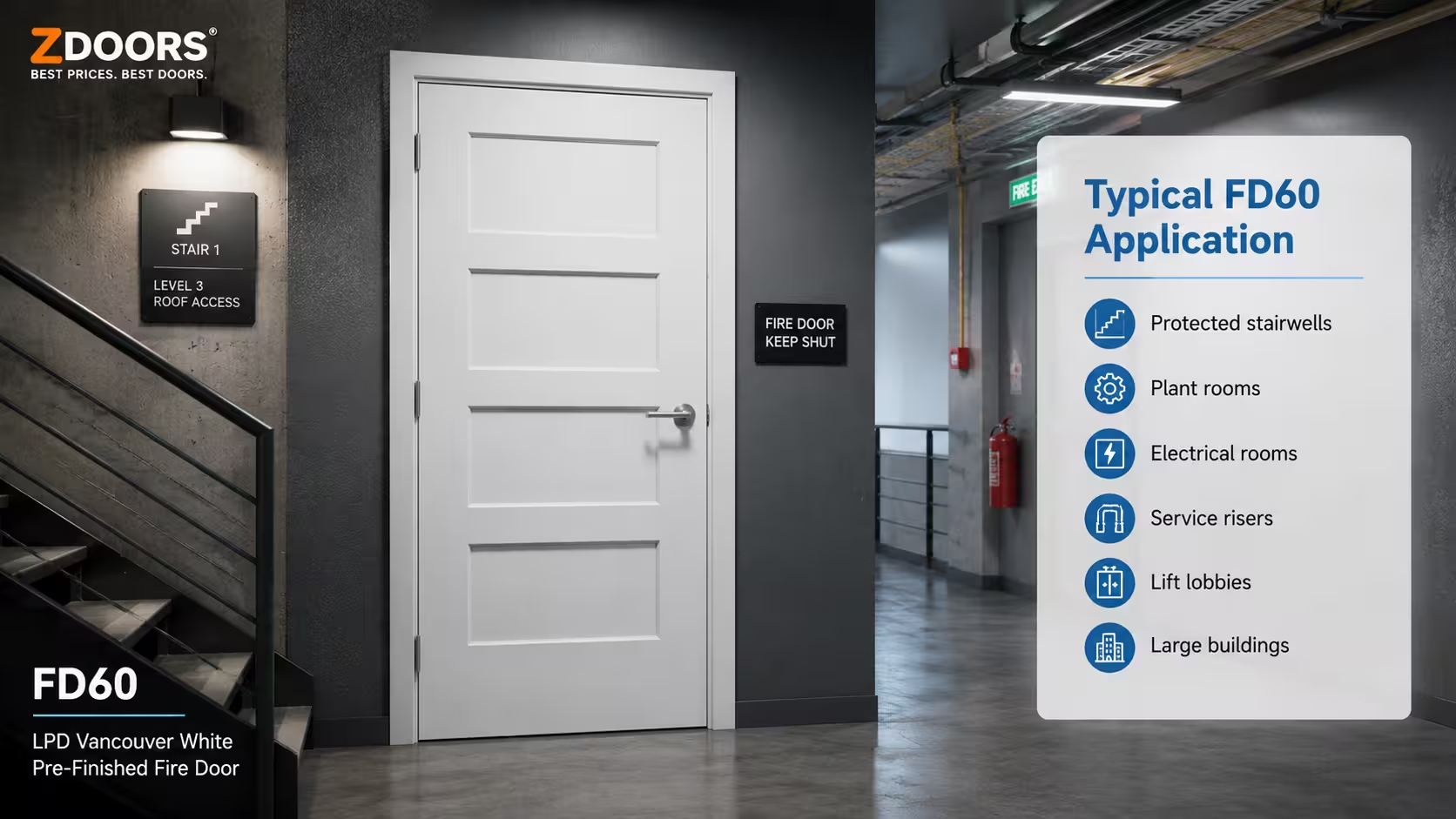
FD60 doors (including FD60S for smoke control) provide 60 minutes of protection, stepping up from the standard FD30 rating:
- Protected stairwells and escape stairs in taller or higher-risk buildings.
- Plant rooms, boiler rooms, generator rooms, and electrical switch rooms.
- Service risers and shafts.
- High fire-load storage areas.
- Some basement routes and compartment walls requiring 60-minute fire separation.
- Firefighting shafts, lift lobbies, and other critical escape or firefighting routes identified in the fire strategy.
Fire Door Regulations for Different Building Types
Because building needs change depending on location and use, fire door requirements can vary quite a lot.
Most major building codes based on fire door regulations (such as Approved Document B in the UK) follow a similar logic: fire doors must protect escape routes and prevent the spread of fire and smoke.
| Building Type | Typical Fire Door Requirements |
| Residential (Houses) | Generally only required between attached garages and the living space. |
| Apartments / Flats | Entrance doors to dwellings, stairwells, corridors, and service risers. |
| Offices | Protected escape routes, stairwells, plant rooms, and electrical cupboards. |
| Education | Corridors, staircases, laboratories, kitchens, and assembly halls. |
| Healthcare | Extensive use across wards, treatment areas, and escape routes; often higher ratings required. |
| Hotels | Guest room entrances, corridors, stairwells, kitchens, and service areas. |
| Industrial | Separating hazardous processes, storage, and offices from escape routes. |
| Warehouses | Fire compartment walls, hazardous storage, plant rooms, and exit routes. |
| Care Homes | Resident rooms, corridors, and stairwells with emphasis on ease of evacuation. |
Note: The requirements for fire doors in UK flats are particularly important, as entrance doors to apartments typically form part of the building’s fire compartmentation strategy and must comply with the relevant fire safety standards and regulations.
How Do I Know What Rating My Fire Door Is?
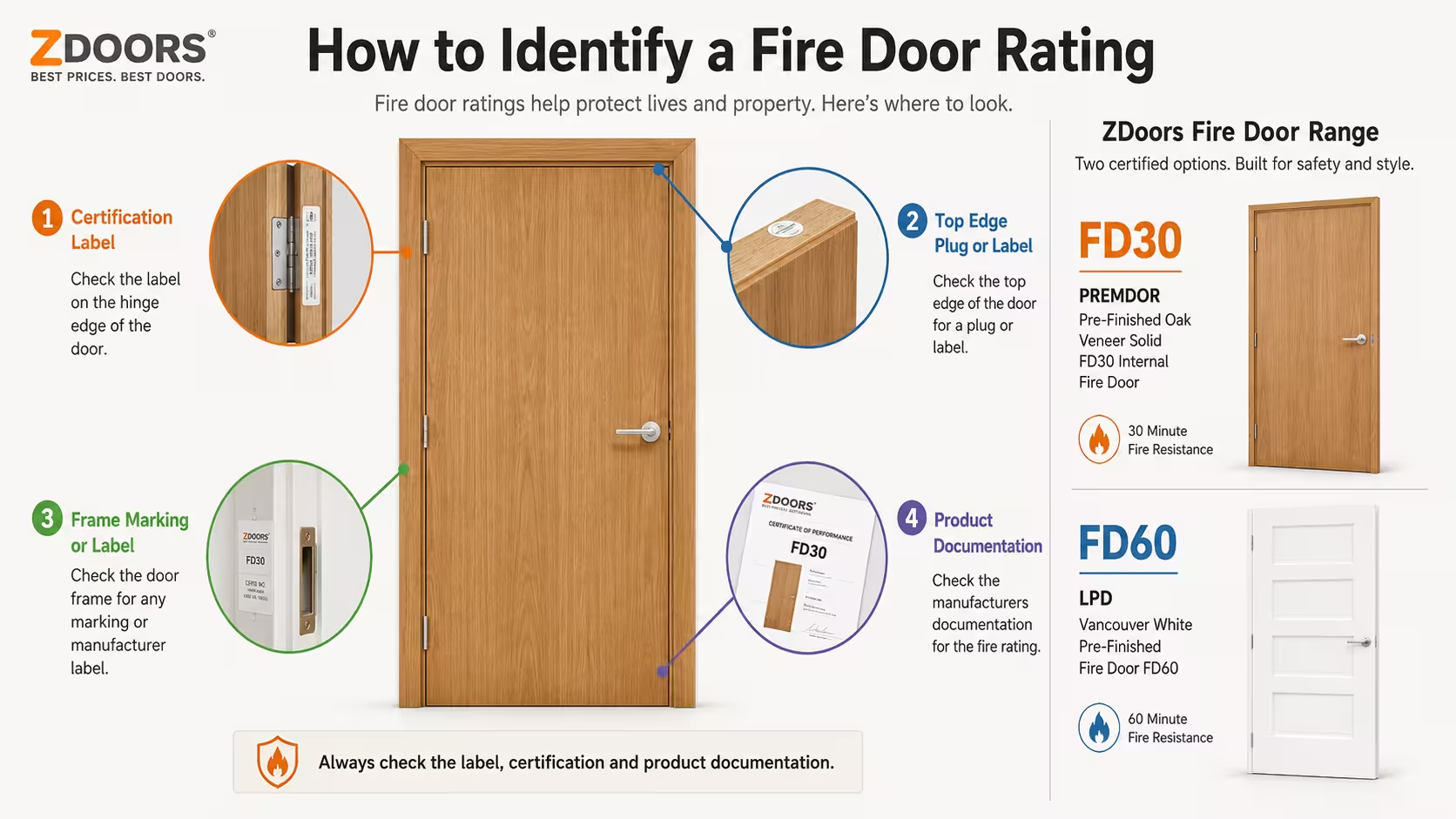
To identify the fire rating of a door, you can inspect all potential certification points on both the door leaf and its associated components.
- Fire door label: Usually on the hinge edge of the door (metal plate, embossed tag, or printed/engraved label under a clear coating).
- Top edge of the door: Sometimes located here and may require a step stool.
- Door frame: May also carry a fire rating label as part of the assembly.
- Glass (if glazed): Fire-rated glass usually has an etched certification mark.
Maintaining FD30 and FD60 Fire Doors
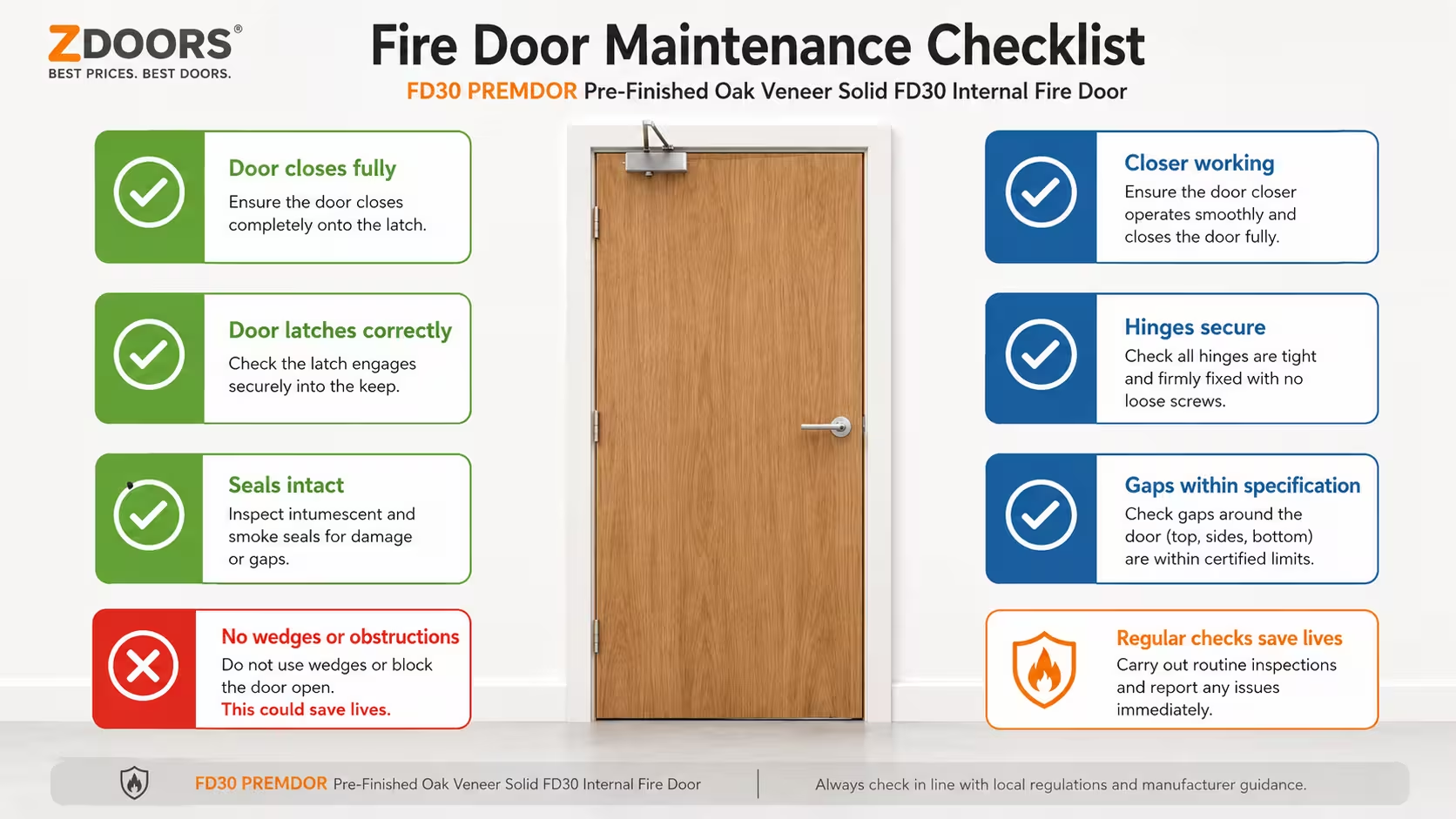
Maintenance is essential for both FD30 and FD60 fire doors to ensure proper performance in the event of a fire. The basic care is the same, but FD60 doors may require slightly more detailed inspection due to heavier construction.
For routine care:
- Clean using a mild detergent and a soft cloth.
- Avoid abrasive cleaners or excessive water.
- Lubricate hinges and locks with a light lubricant, avoiding intumescent seals.
Defects requiring immediate attention:
- Door fails to self-close or latch properly.
- Missing or damaged intumescent strips.
- Excessive gaps around the door.
- Warped door leaf.
- Damaged glazing.
- Incorrect or non-fire-rated hardware.
- Door held open with wedges or other objects.
Can I Use an FD60 Door Where an FD30 is Required?
An FD60 fire door can generally be used in place of an FD30 door, as it provides a higher level of fire resistance. However, this is only acceptable if the full doorset is correctly certified, installed as tested, and compliant with the building’s fire strategy and relevant regulations.
Note 1: Fire ratings apply to the complete doorset, not just the door leaf. Using mixed components (e.g. an FD60 leaf in an FD30 frame) will not achieve a certified rating.
Note 2: FD30 doors are sometimes preferred for practical reasons such as weight, cost, and hardware compatibility. Any change should be approved by a fire engineer, architect, or building control.
FD30 vs FD60: Key Takeaways
Now, you know what is the Difference Between FD30 and FD60 Fire Doors. Fire doors are essential for slowing the spread of fire and smoke, but they are not ‘set and forget’ components. Their performance depends entirely on correct installation and regular maintenance. A damaged or poorly maintained fire door can fail when it matters most, reducing the time available for safe evacuation.
If you are unsure where to buy certified, high-quality fire doors you can trust, at ZDoors, we supply a wide range of FD30 and FD60 fire doors designed to meet UK fire safety standards, offering reliable protection for residential and commercial properties.
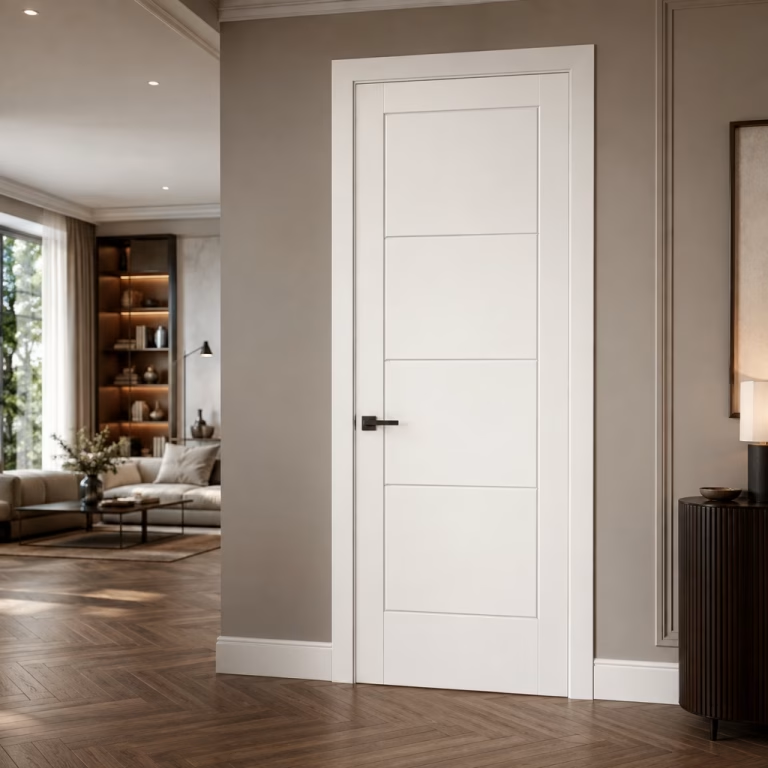
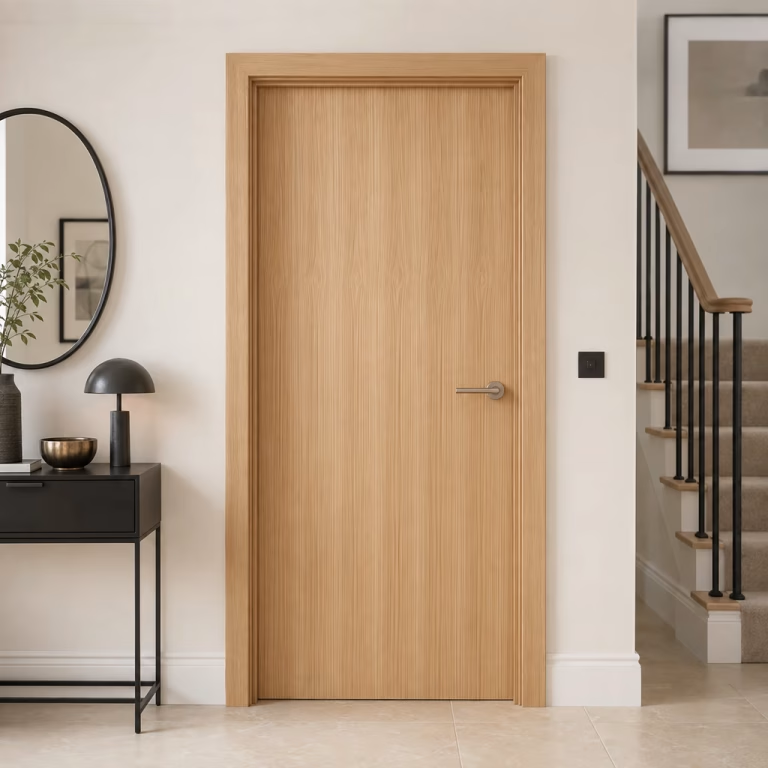
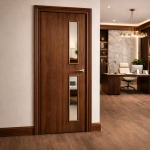
LPD Flush Oak Plain Pre-Finished FD30 Internal Fire Door
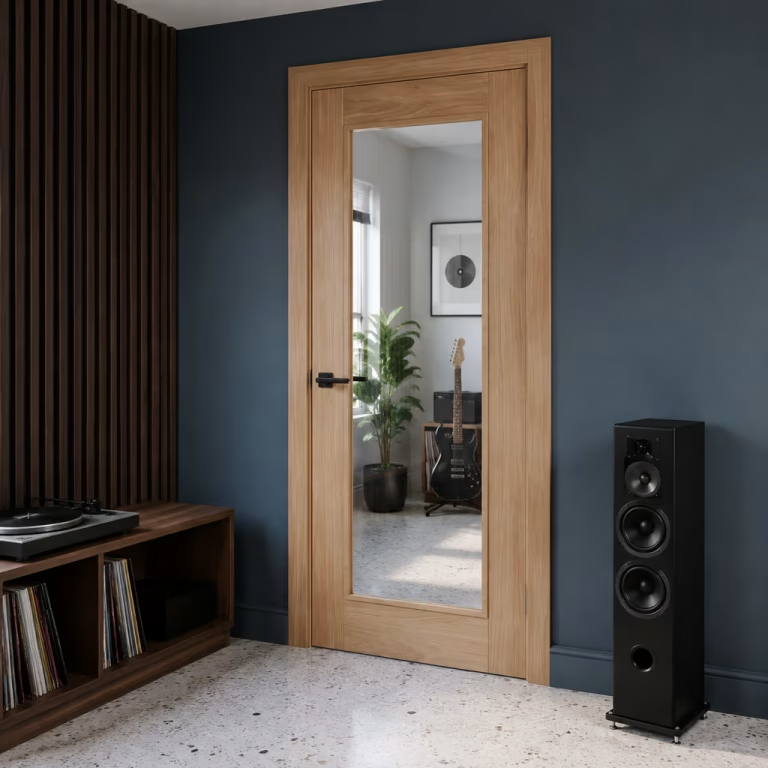
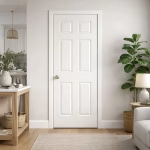
LPD Vancouver Pattern 10 Oak 1 Lite Clear Glazed Pre-Finished FD30 Internal Fire Door
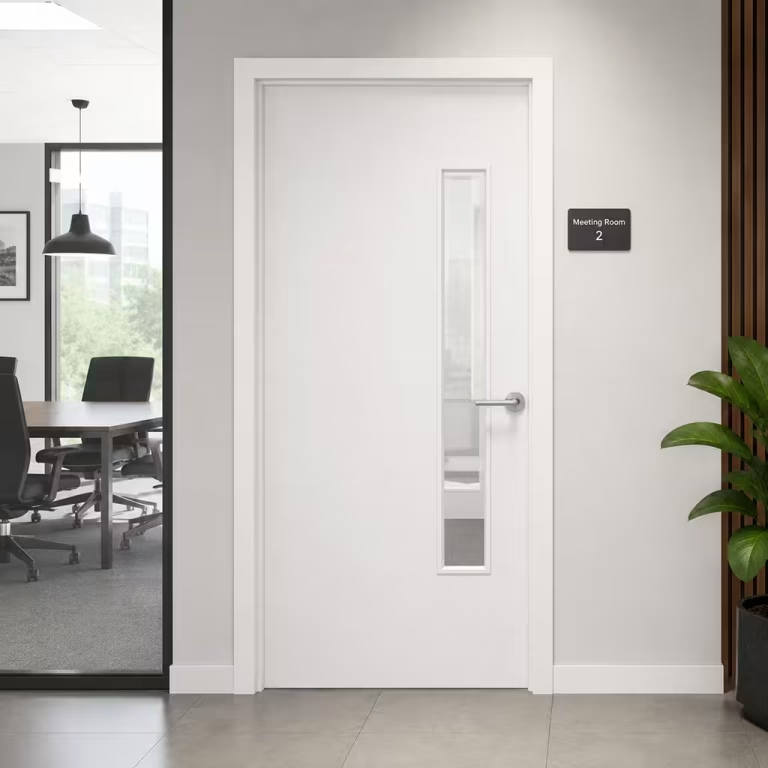
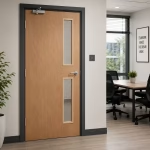
PREMDOR White Primed 1L Side Clear Glazed Smooth Internal FD60 Office Fire Door
FAQ
What is the Difference Between FD30 and FD60 Fire Doors?
FD30 doors are certified to resist fire for at least 30 minutes, while FD60 doors provide 60 minutes of protection. The main difference is the length of time they can help contain fire and protect escape routes.
Is FD60 Always Better Than FD30?
Not necessarily. FD60 offers longer fire resistance, but FD30 is often sufficient and specified by building regulations. The correct choice depends on the building’s fire strategy and risk assessment.
Do FD60 Doors Look Bulkier?
In most cases, no. Both FD30 and FD60 doors can look similar externally, although FD60 doors are heavier due to their internal construction.
Is FD60 Significantly More Expensive?
Yes, FD60 doors are generally more expensive due to their enhanced construction, materials, and hardware requirements. The price difference varies depending on specification and design.
Can You Replace an FD30 Door With an FD60 Door?
Yes, but only if the full doorset is certified and compliant with the building’s fire strategy. Any change should be approved by a fire engineer or building control.
Can You Upgrade a Standard Door to FD30 or FD60?
No, a standard door cannot simply be upgraded. Fire resistance depends on a fully tested and certified doorset, including frame, seals, and hardware.
Do Fire Door Frames and Hinges Need the Same Rating?
Yes, all components must be compatible and tested as part of the certified doorset. Using non-rated or mismatched parts can invalidate the fire rating.
References:
1. HM Government, Fire Safety: Approved Document B.
https://www.gov.uk/government/publications/fire-safety-approved-document-b
2. HM Government, Fire Safety (England) Regulations 2022: Fire Door Guidance.
https://www.gov.uk/government/publications/fire-safety-england-regulations-2022-fire-door-guidance/fire-safety-england-regulations-2022-fire-door-guidance
3. BWF Fire Door Alliance, Fire Doors: Importance of Getting It Right.
https://firedoors.bwf.org.uk/knowledge-centre/fire-doors/
4. BWF Fire Door Alliance, Fire Door Installation.
https://firedoors.bwf.org.uk/knowledge-centre/fire-door-installation/