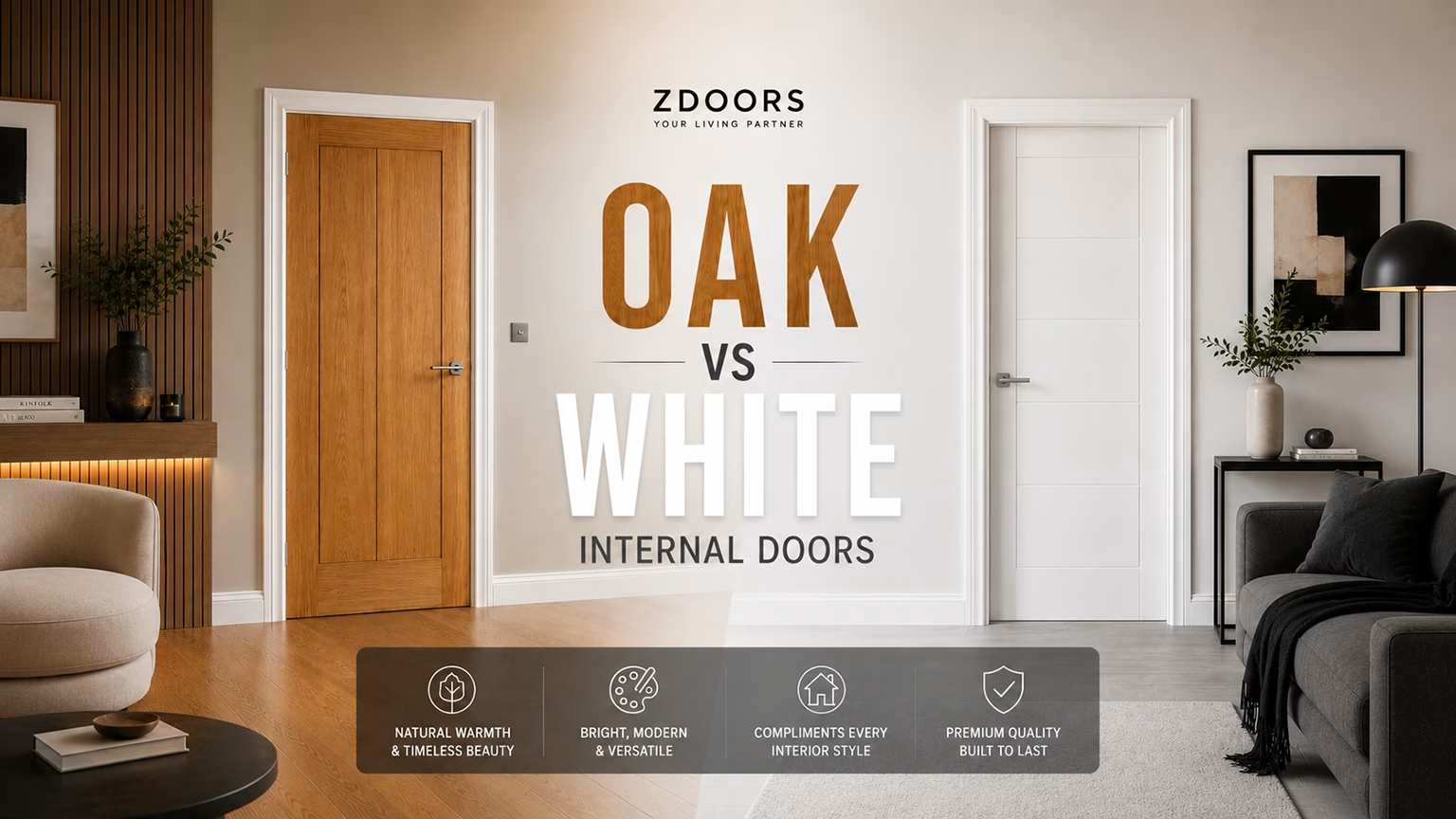
Oak or white? It is the question we hear most often in our Manchester showroom, and the honest answer comes down to two things: how much natural light your rooms get, and whether you want the doors to be noticed or to disappear.
One myth is worth clearing up first. Oak does not mean solid timber, and white does not mean hollow MDF. A white door can have a solid core. An oak door can have a hollow one. The colour tells you nothing about how the door is built – only the specification does. Keep that in mind as you read.
This guide compares the two on appearance, construction, light, upkeep and price. At the end there is a checklist to run through before you order.
The Short Answer
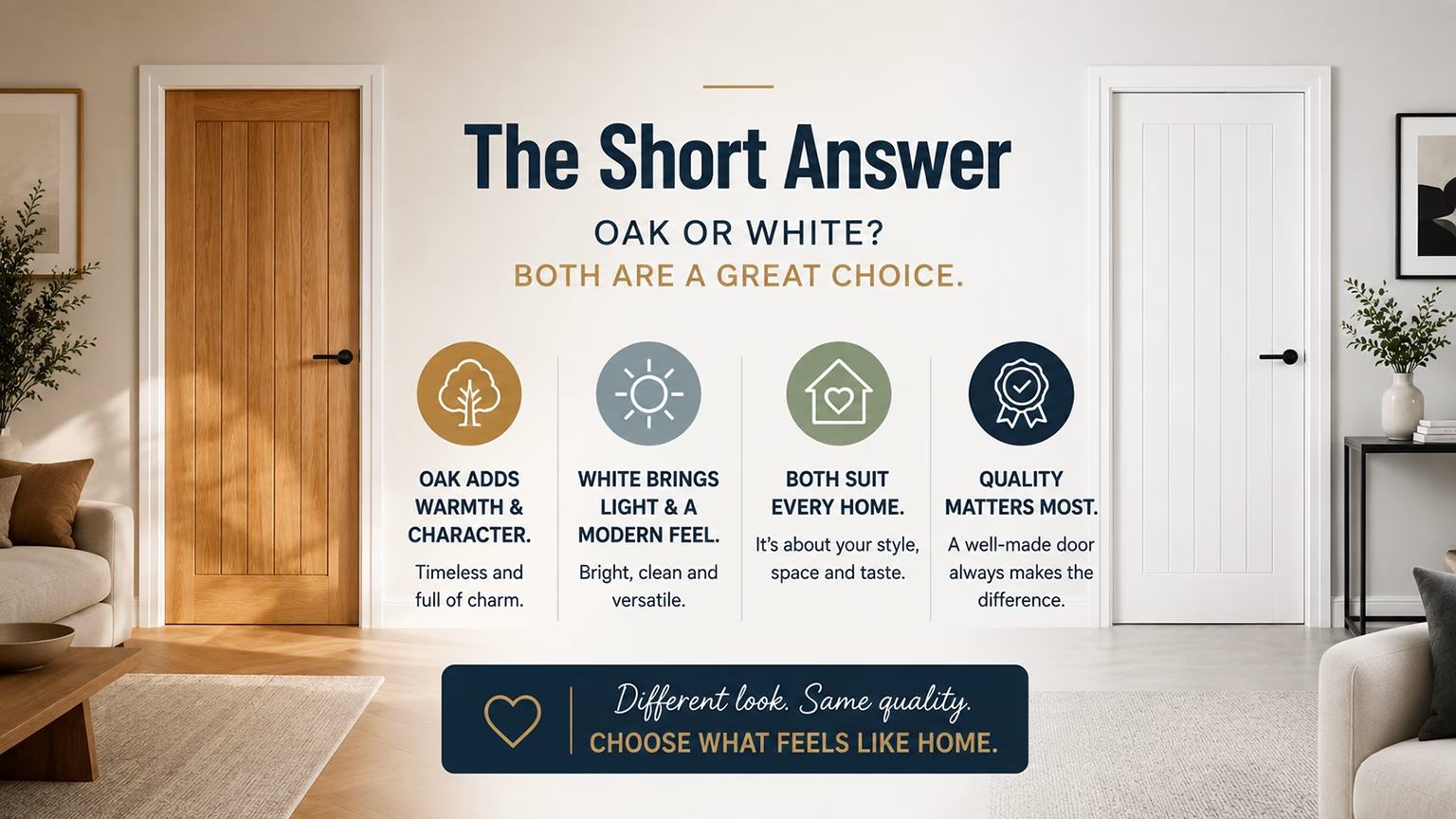
Choose oak if you want warmth, visible grain and doors that work as a feature. Choose white if you want a light, neutral finish that keeps up with changing decor. Then compare core construction and price separately, because those – not the finish – decide how durable the door is and what it costs.
Oak vs White at a Glance
| Feature | Oak internal doors | White internal doors |
|---|---|---|
| Appearance | Warm tones and visible grain. Natural variation from door to door. | A clean, neutral surface that either blends in or provides contrast. |
| Effect in a room | Adds depth, texture and warmth. | Helps a room feel lighter and more open, especially alongside pale walls. |
| Construction | May be solid oak, real oak veneer or an oak-effect face. Check the product. | May have a hollow, semi-solid or solid core. Check the product. |
| Usually supplied | Unfinished or pre-finished. | Primed or pre-finished. |
| Durability | Set by the core, face and edge lippings – not by the oak finish. | Set by the core and finish – not by the colour. |
| Maintenance | Grain disguises light marks and scuffs. | A smooth white surface shows fingerprints and scuffs sooner. |
| Often suits | Warm, natural or contrast-led schemes. | Light, flexible or colour-customised schemes. |
Why Choose Oak Internal Doors?
Oak brings grain, natural variation and warmth into a room. Before you compare products, check what “oak” actually means on the spec sheet: it may describe solid timber, a real oak veneer, or an oak-effect surface. All three look different up close and sit at differenti fchvl prices.
- Warmth and texture. Oak tones soften a neutral room and stop a minimalist scheme feeling flat.
- No two doors are identical. Real oak and natural veneer vary in grain and colour, so each door has its own character.
- A wide choice of designs. Oak runs from clean contemporary flush doors through to traditional panelled and cottage styles.
- Flexible finishes. Pre-finished doors save preparation time on site. Unfinished doors let you match an existing stain or oil, following the manufacturer’s instructions.
Oak works particularly well when you want the doors to tie in with timber flooring, furniture or warm neutral paint. It also holds its own as a deliberate contrast against white walls and black ironmongery.
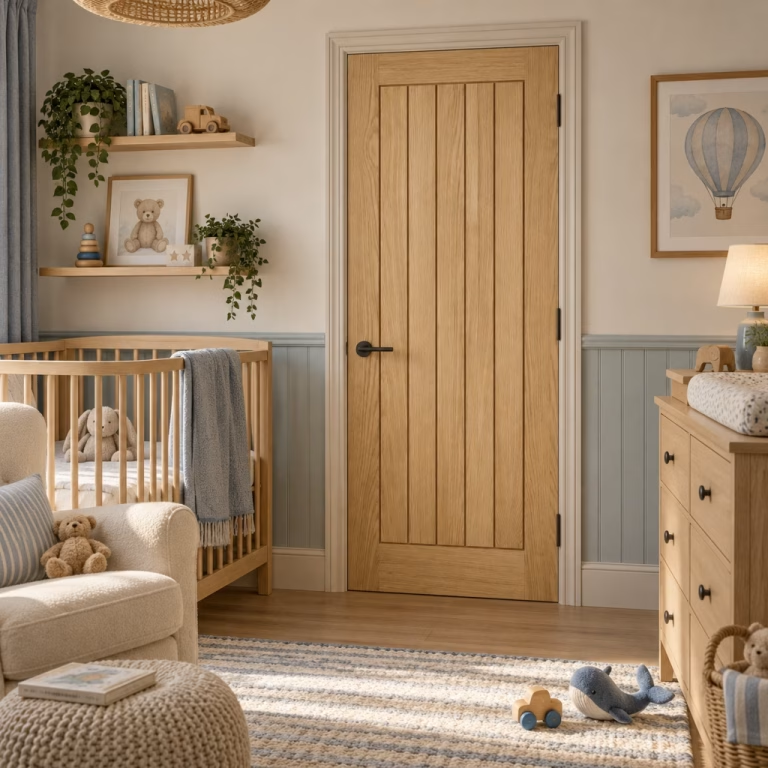
LPD Belize Oak 5 Vertical Panel Veneer Unfinished Internal Door
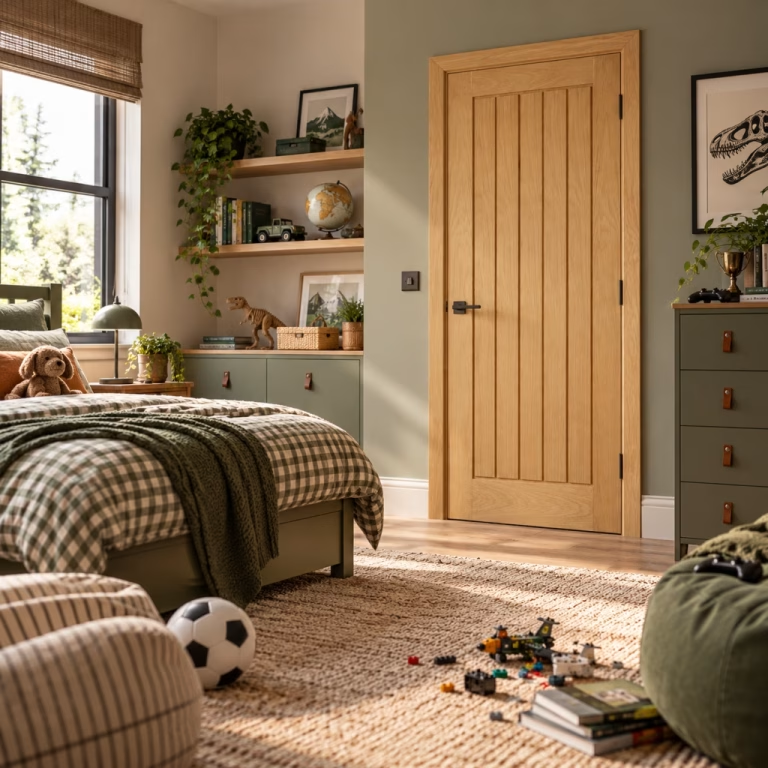
LPD Mexicano Oak 5 Vertical Panel Veneer Unfinished Internal Door
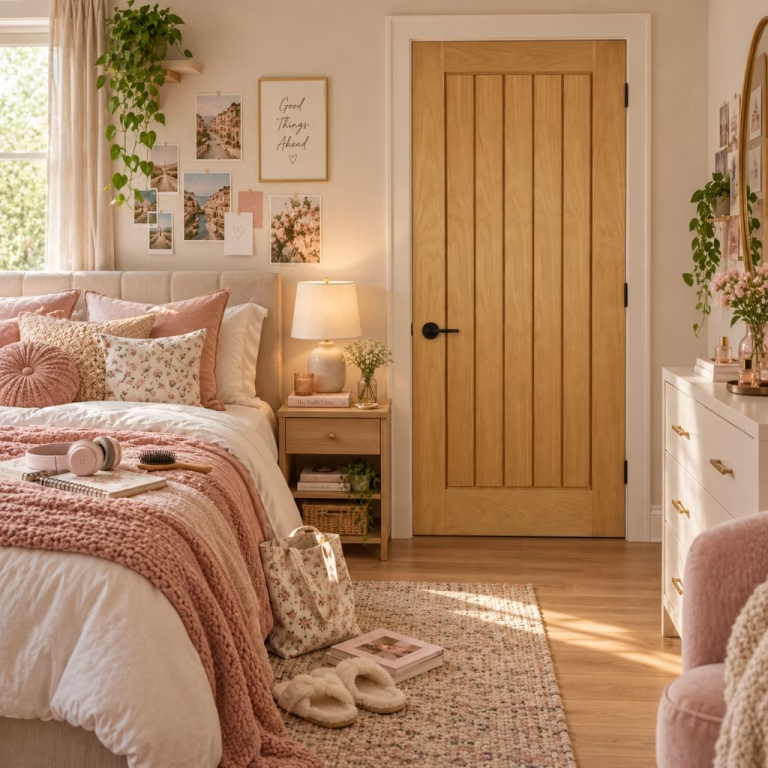
LPD Mexicano Oak 5 Vertical Panel Veneer Pre-Finished Internal Door
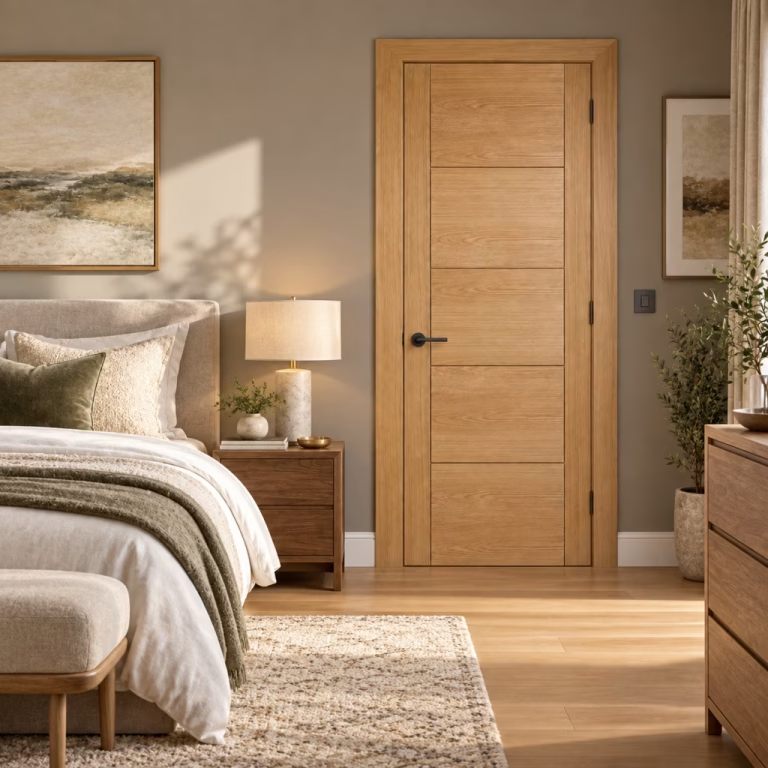
LPD Vancouver 5P Oak Ladder Panel Veneer Pre-Finished Internal Door
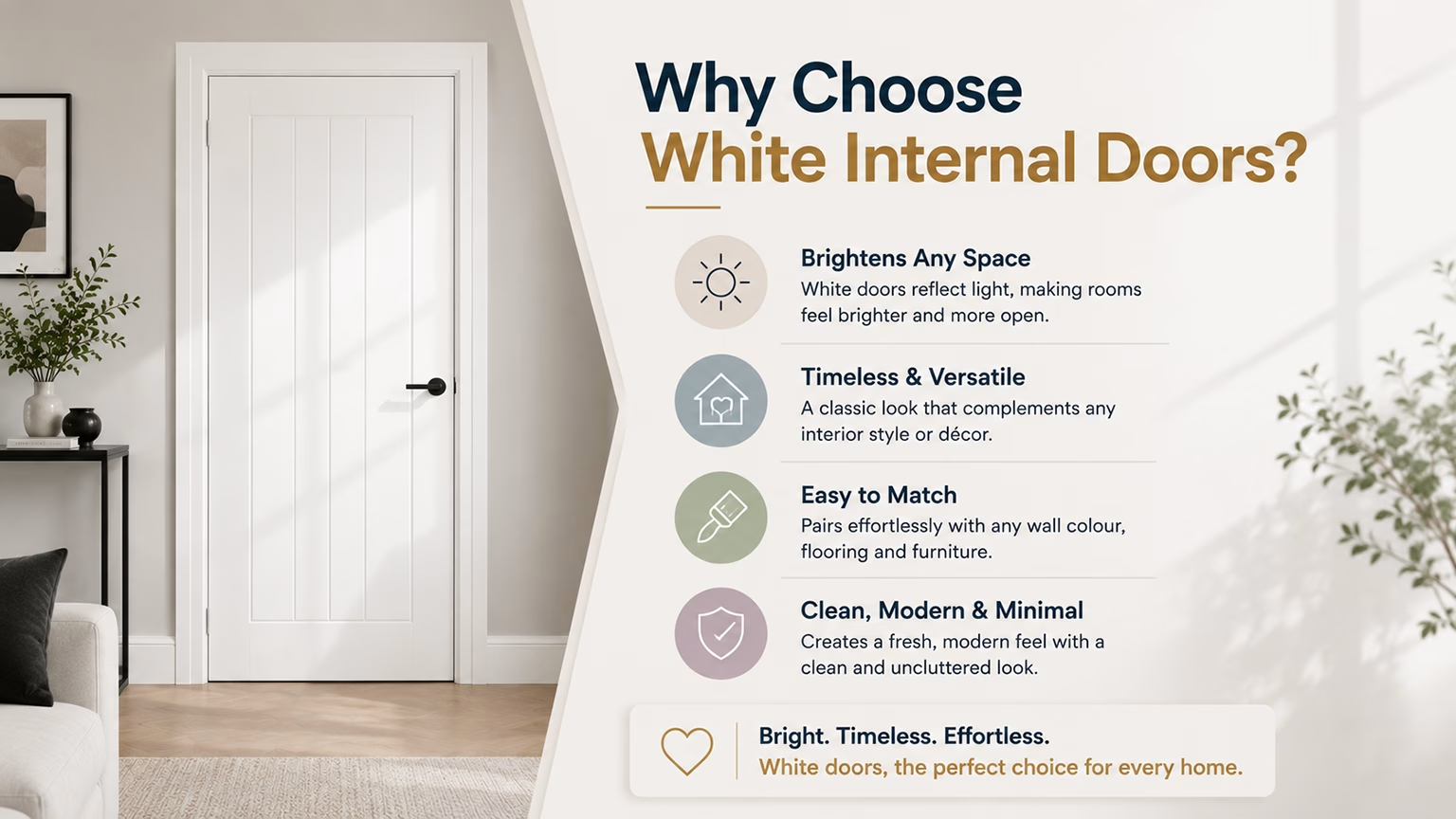
Why Choose White Internal Doors?
White gives you a clean, neutral backdrop that is easy to live with as wall colours, flooring and furniture change around it. Remember that white describes the colour, not the quality or the build.
- A lighter room. A white door helps a small or north-facing space feel brighter, particularly next to pale walls, frames and architraves.
- It suits more than minimalism. White works on classic moulded doors as readily as on flat modern ones.
- Paint it whatever you like. A primed door arrives with a prepared base coat and normally still needs a final top coat, so you can finish it in any shade you choose.
- The widest price range. White ranges include hollow-core, semi-solid and solid-core options, so you can match the budget to the room.
White is usually the easier choice when you want the doors to sit quietly in the scheme rather than become the focal point.
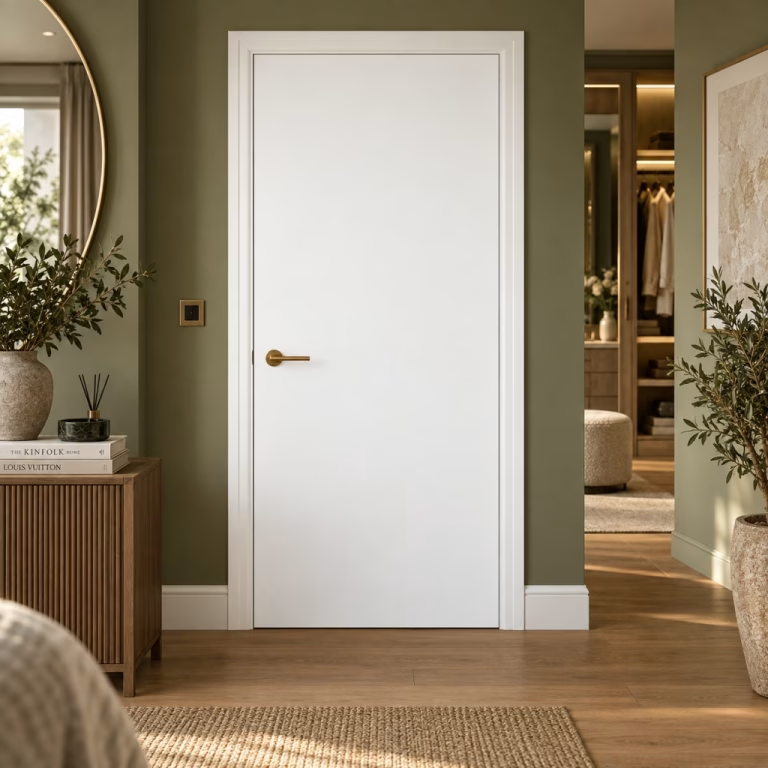
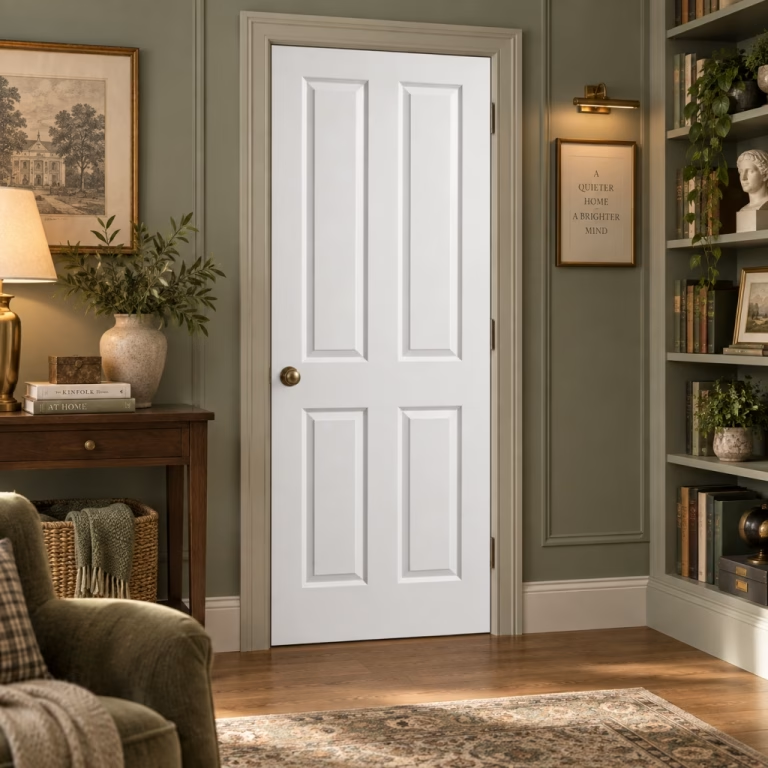
LPD White Primed Textured 4P Raised Panel Textured White Internal Door
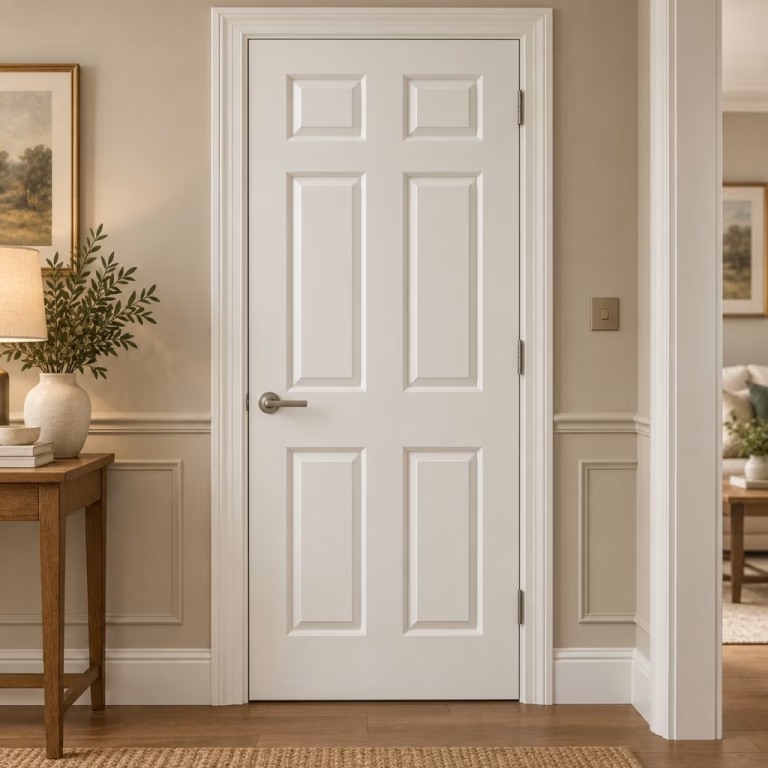
LPD Smooth 6P Square Top White Moulded Primed Internal Door
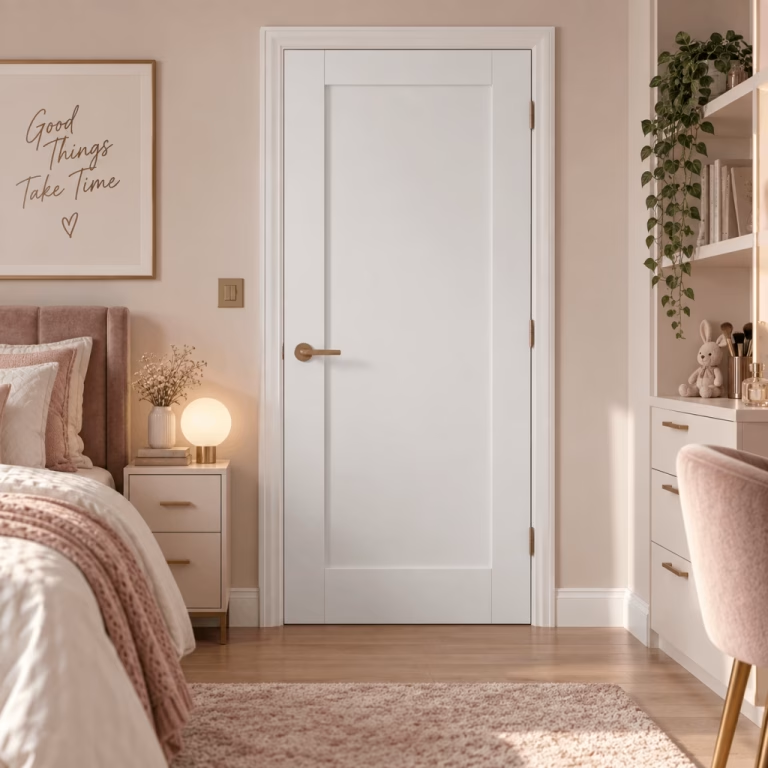
LPD Pattern 10 White Primed One Recessed Panel Solid Engineered Core Internal Door
A Direct Comparison: Five Factors
The finish is one part of the decision. Compare products like for like, and pay attention to construction, size, thickness, glazing, finish and any required fire rating.
1. Look and Style
Oak adds grain and warmth. White creates a cleaner, lighter backdrop. Either can suit a traditional or a contemporary interior – the panel design, glazing and surrounding decor matter just as much as the colour.
If you want the door to read as a natural feature, go for oak. If you want it to coordinate quietly with the walls and woodwork, white usually wins.
2. Construction and Durability
You cannot judge durability from colour. Both oak-faced and white doors come with different cores. How well a door stands up to daily use depends on the core, the face material, the edge lippings, the finish, the installation and the level of traffic it sees.
A solid-core white door will outlast a hollow-core oak one. Check the individual specification and the guarantee rather than assuming.
On sound: noise reduction comes from mass and from the complete installation – the door leaf, the frame, the gaps and the seals together. A solid-core door performs better than a hollow one in either finish. If a quiet bedroom or home office matters to you, ask for product-specific acoustic data rather than choosing on material alone.
3. Light and Space
White reflects more light and can make a narrow hallway or a small room feel more open, especially alongside other pale surfaces. Oak does the opposite: it adds contrast and depth, which stops a large or very neutral room feeling empty.
Treat this as a design effect rather than a rule. The room’s natural light, wall colour, flooring and glazing together have far more influence than the door finish on its own.
4. Maintenance and Cleaning
White surfaces show fingerprints, dust and scuffs sooner. Oak grain hides minor marks. Beyond that, upkeep depends on how the door was finished:
- Unfinished: needs an appropriate finish applied before use, following the manufacturer’s instructions.
- Primed: has a base coat and normally needs a final top coat or approved finish.
- Pre-finished: is factory-finished and generally ready to hang. Any trimmed edges may need sealing or refinishing as directed.
Always use cleaning and finishing products that are compatible with the door. Pre-finished doors do not need periodic refinishing the way an oiled or waxed door does.
5. Cost
White-primed doors usually cost less than a comparable oak-veneered model, but the ranges overlap and the finish is rarely the biggest variable. Brand, core construction, size, glazing and fire rating all move the price more than colour does.
Here is what that looks like in our own range. A primed white door starts at around £25 for a hollow-core flush panel. A solid-core white door, like the Pattern 10, sits closer to £100. A solid oak door starts at about £85.
So the cheapest door in the range is white, and so is one of the more expensive ones. The finish did not decide that. The core did.
Whichever you choose, budget for the whole job: frames or linings, architraves, hinges, handles, locks, any finishing materials, and fitting if you are not doing it yourself. An unfinished or primed door has a lower ticket price but still needs materials and labour before it is ready to use.
Prices correct at the time of writing.
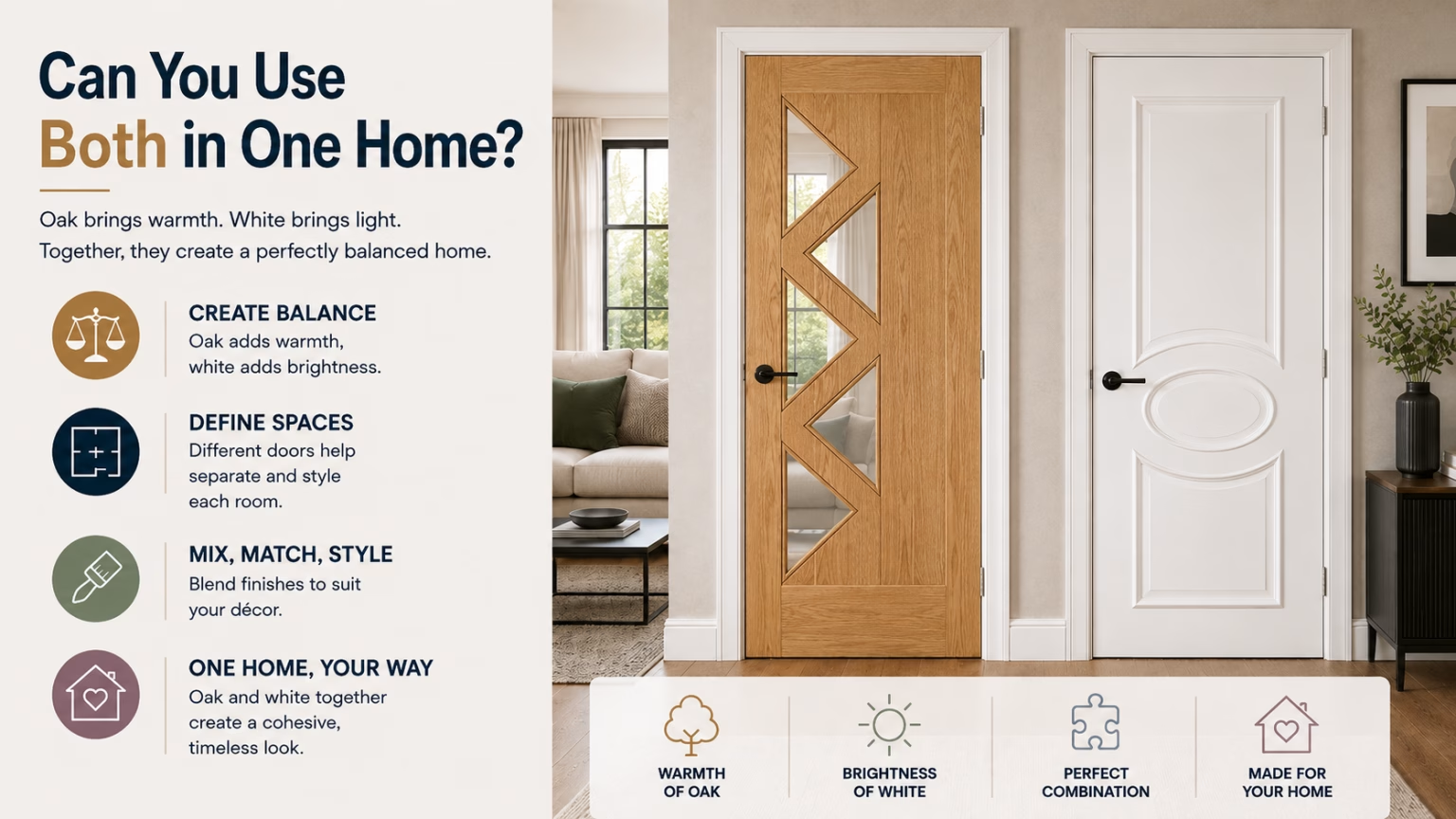
Can You Use Both in One Home?
Yes, and it often looks better than committing to one finish throughout. The trick is to give the change a reason.
A common approach: oak in the shared spaces – living room, dining room, hallway – and white in the bedrooms and smaller upstairs rooms. A floor-by-floor split works just as well. What ties it together is repetition elsewhere: keep the same handles, the same architrave profile and a consistent wall colour across both.
Which Should You Choose?
Use these as guidance, not rules.
Choose oak internal doors if:
- You like visible timber grain, warm tones and natural variation.
- You want the doors to coordinate with timber flooring or furniture.
- You are happy to follow the care requirements for the finish you pick.
- You have compared the construction and price against an equivalent white model.
Choose white internal doors if:
- You want a neutral background that survives a change of decor.
- You need to make a small or dimly lit room feel lighter.
- You want a primed surface you can finish in your own colour.
- You want the widest choice of construction types and price points.
What to Check Before You Order
Before choosing on appearance alone, confirm:
- The required width, height and thickness.
- The core construction, door weight and guarantee.
- Whether the door is unfinished, primed or pre-finished.
- The glazing type, if applicable.
- The manufacturer’s permitted trimming allowance.
- Compatible frames or linings, architraves, hinges, handles and locks.
- Any required fire rating, certification and installation details.
A door only performs as intended if it suits the opening and is installed with compatible components.
Fire Doors: Finish Does Not Determine Performance
If a fire door is required, choosing oak or white has no bearing on its fire performance. You need a suitably rated and certified product, together with the compatible frame, glazing, intumescent seals, ironmongery and installation method.
Government guidance for England treats a fire doorset as a complete installed assembly, so the door leaf should not be assessed on its own. Requirements differ elsewhere in the UK, so check the rules that apply where you are.
What Colour Internal Doors Are on Trend?
White and oak both stay in rotation because they work with a wide range of schemes. White suits clean and colour-led interiors alike, and matt finishes have largely replaced the gloss look – they show marks less and sit better with modern paint finishes. Oak continues to appeal for its texture and warmth. Darker finishes such as charcoal, matt black and walnut are gaining ground where a stronger contrast is wanted.
Rather than picking a finish because it is fashionable, look at what is already fixed in the room: the light, the flooring, the wall colour, the architraves and the hardware. A finish that works with those will still look right in ten years.
Conclusion
Neither finish is better. Oak is the right call when you want grain, warmth and character. White is the right call when you want light, simplicity and the freedom to redecorate around it.
Before you buy, weigh up three things: the natural light in your rooms, the style you are working with, and your budget for the whole installation rather than the door alone. Then check the core construction, finish state, trimming allowance and any fire rating.
Still deciding? Compare our oak internal doors and primed white internal doors, or visit the ZDoors showroom in Manchester to see both finishes side by side. Our team can talk you through cores, finishes and sizes.
Frequently Asked Questions
What is the main difference between oak and white internal doors?
Appearance. Oak shows natural grain and warmer tones; white gives a cleaner, more neutral surface. Construction varies within both ranges, so the colour tells you nothing about the core, the weight or the durability.
Are white internal doors always hollow-core?
No. White internal doors come with hollow, semi-solid and solid cores. Check the individual product specification rather than judging by colour.
Are oak internal doors always solid wood?
No. “Oak” may describe solid timber, a real oak veneer over an engineered core, or an oak-effect face. All three are sold as oak doors and they perform differently.
Do oak doors darken over time?
They can. Natural oak and oak veneer may shift in tone, particularly with uneven exposure to daylight. How much depends on the timber, the finish and the room. Many people like the change. Follow the manufacturer’s care guidance.
Can you use oak and white doors in the same house?
Yes. It works best when the change follows a clear logic – different floors or different zones – and when repeated details such as handles, frames and wall colours connect the two.
Which finish is easier to maintain?
Neither is automatically lower-maintenance. White shows fingerprints and scuffs more readily; oak grain disguises light marks. What matters more is whether the door is unfinished, primed or pre-finished, and how closely you follow the care instructions.
Does an oak door block more sound than a white one?
Not because of the finish. Sound reduction comes from mass and from the complete installation including the frame and seals. A solid-core door outperforms a hollow-core one whichever finish it carries.
Sources and Further Reading