A Complete Guide to Door Cores-ZDoors
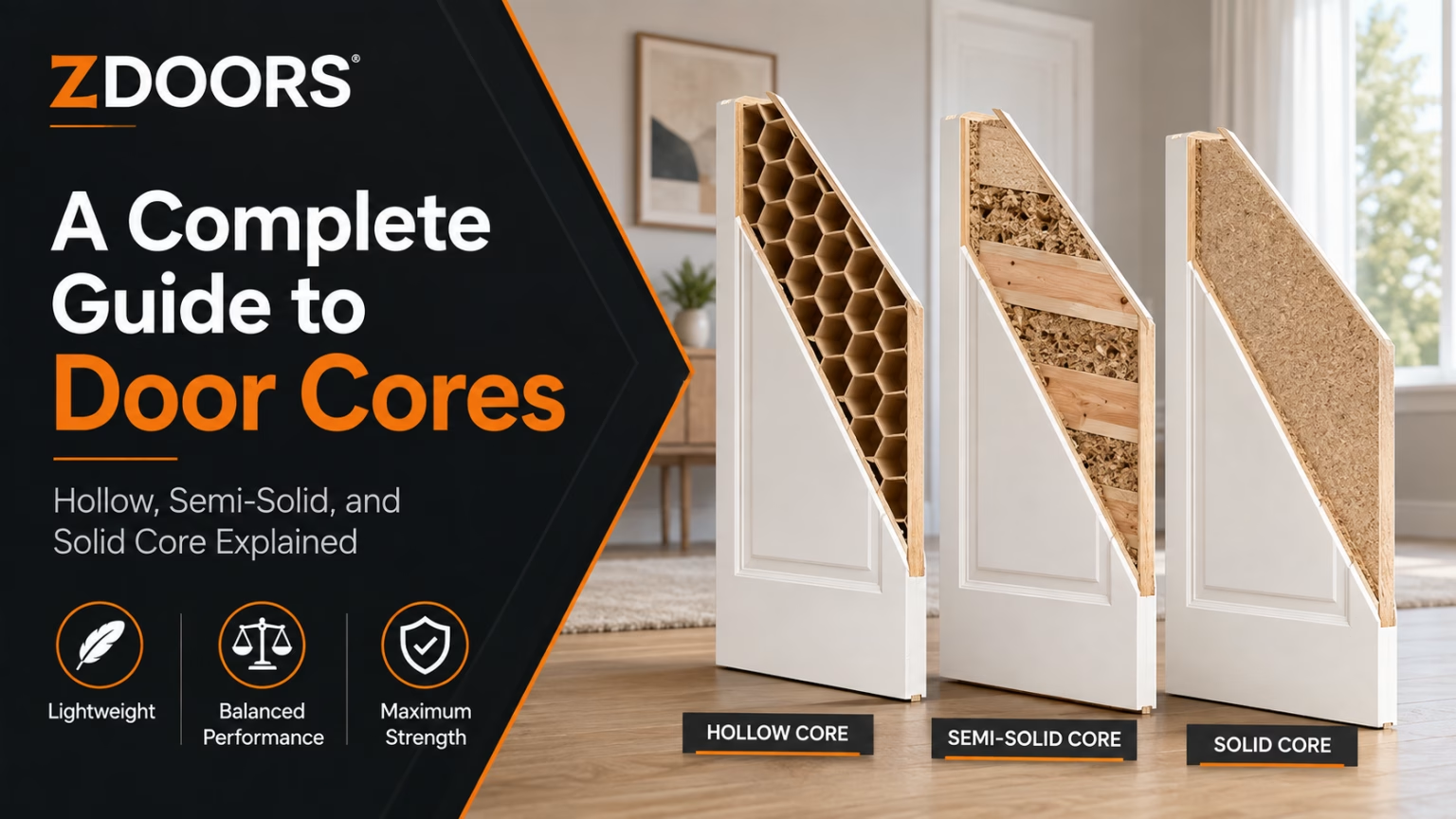
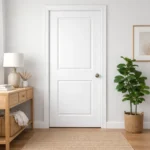
Hollow core doors are lightweight, cost-effective, and ideal for interior use in low-cost projects, but offer poor insulation, soundproofing, and security. Semi-solid core doors, with a foam core wrapped in MDF or plywood, provide a better balance of cost, durability, insulation, and soundproofing, making them suitable for residential and commercial spaces. Solid core doors, the most expensive and heavy option, offer superior security, durability, insulation, and soundproofing, making them the best choice for high-traffic areas and locations requiring high security and privacy.
Do fire doors need to be self closing? | ZDoors
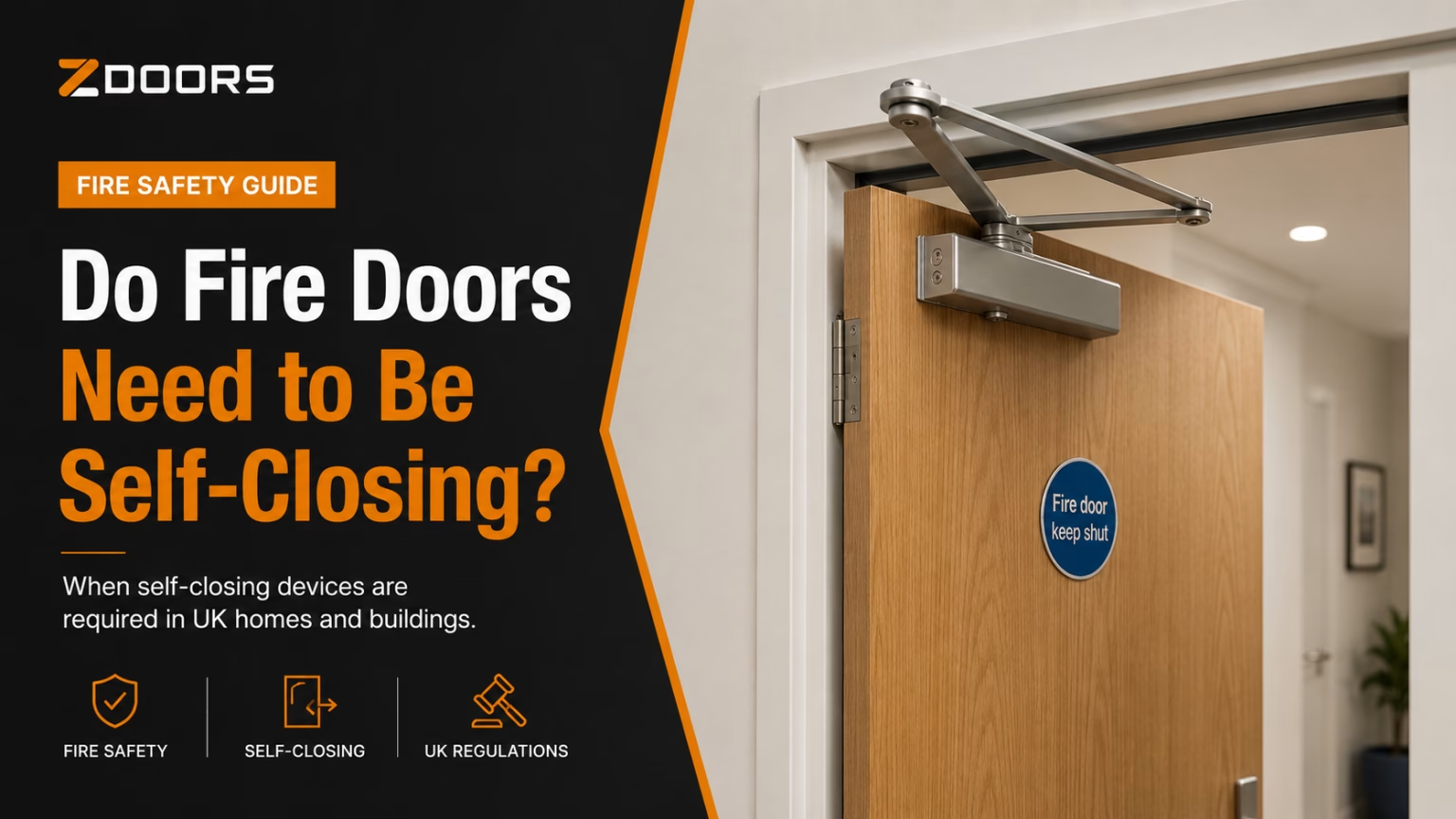
Do fire doors need to be self closing? Self-closing fire doors are crucial for building safety, automatically preventing fire and smoke spread. Legally required in UK escape routes, corridors, and staircases, they use closers meeting BS EN 1155 or BS 5839: Part 3, with hydraulic or gear mechanisms for smooth closure. Some closers hold doors open until a fire alarm triggers closure. They offer fire containment, increased escape time, legal compliance, and durability. Crucially, they must never be propped open.
How to identify a fire door?- ZDoors
Identifying a fire door requires multiple key steps. First, search for a certification label, which is usually positioned on the upper edge of the door. Next, ensure that the gap between the door and its frame is no more than 4mm. Make the door equipped with intumescent seals, which expand when exposed to heat. Check for at least three secure hinges and a fully functional self-closing mechanism. Finally, in commercial settings, look for proper fire door signage.
different types of fire doors | Zdoors
Different types of fire doors are available based on various factors such as their fire resistance (FD30-FD120, higher ratings for higher-risk areas), materials (steel, wood, glass), finishes (pre-finished, unfinished, primed), style (single or double), and closing mechanisms (self-closing, automatic, power-operated). You should choose the right door depending on the building’s fire safety needs.
Unfinished or Primed or pre-finished: what is the difference | Zdoors
Pre-finished doors are ready to install. They offer a durable, factory-applied finish. They’re convenient and professional-looking, but more expensive and less customizable. Unfinished doors are bare wood. They provide a complete customization but need time, effort, and skill for sanding, priming, and finishing. They are the most cost-effective option. Primed doors offer a middle ground. They’re pre-coated with primer for easy painting. They save time and effort compared to unfinished doors while still allowing for custom colours, but require a final coat of paint.
FSC Certification-ZDoors
The Forest Stewardship Council (FSC) is a non-profit that protects forests. They certify forests that meet high environmental and social standards, and products from these forests get the FSC logo. This helps people buy eco-friendly products, like FSC fire doors, and support sustainability. The FSC also tracks wood products to make sure they come from responsible sources.
How To Measure Up For an Internal Door | Zdoor
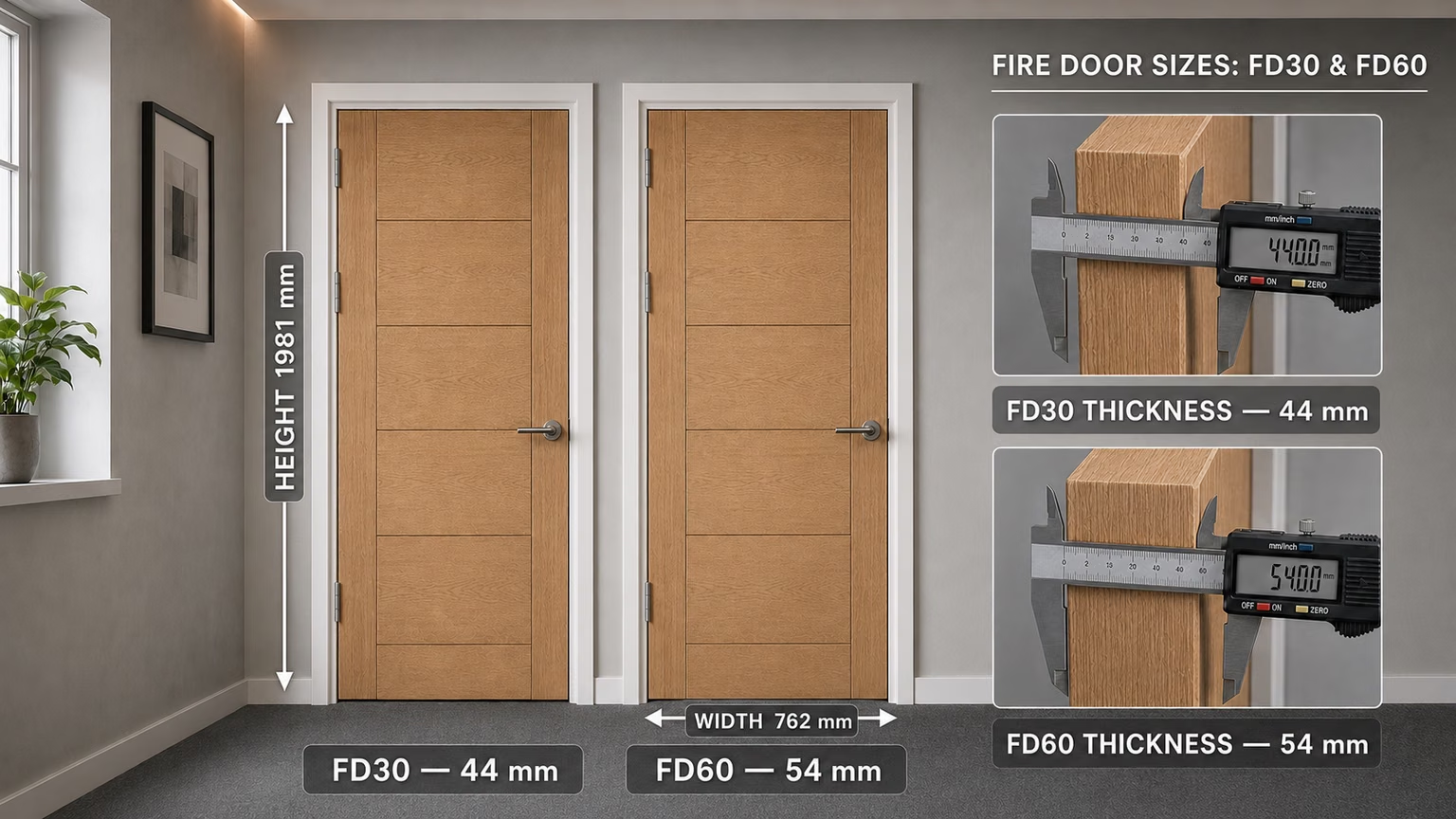
How To Measure Up For an Internal Door? At first, measure the height, width, thickness, and frame depth. Take multiple measurements to ensure they’re correct. You should use the smallest measurements. Then, account for flooring, uneven surfaces, and standard thickness (35mm for imperial sizes, 40mm for metric sizes and 44mm for fire doors).
Can you paint fire doors? - ZDoors
You can paint fire doors if you follow safety guidelines to maintain their fire-resistant properties. It’s better to choose fire-resistant intumescent paint. It is possible to paint intumescent strips to stop them from collecting moisture, but to keep them functional, don’t apply more than five coats. Paint should never be applied on fire door hinges, handles, or other hardware because this can affect how well the door works.
Fire door regulation UK-Zdoors
To protect all buildings from fire and enhance fire prevention, the UK fire door regulations were updated in 2025. Flat entrance doors must have at least 30 minutes of fire resistance. For communal doors in taller buildings, inspections are necessary every 3 months and annually for flat entrances. Fire doors in commercial buildings must meet BS EN1634 or BS 476 standards and be placed in escape routes and high-risk areas.
Fire doors buyer's guide | Zdoors
Have you ever considered the safety of your home or workplace against fire hazards? Since fire risk always exists and can occur at times, purchasing fire doors becomes critically important.
//
Our customer support team is here to answer your questions. Ask us anything!
👋 Hi, how can I help?