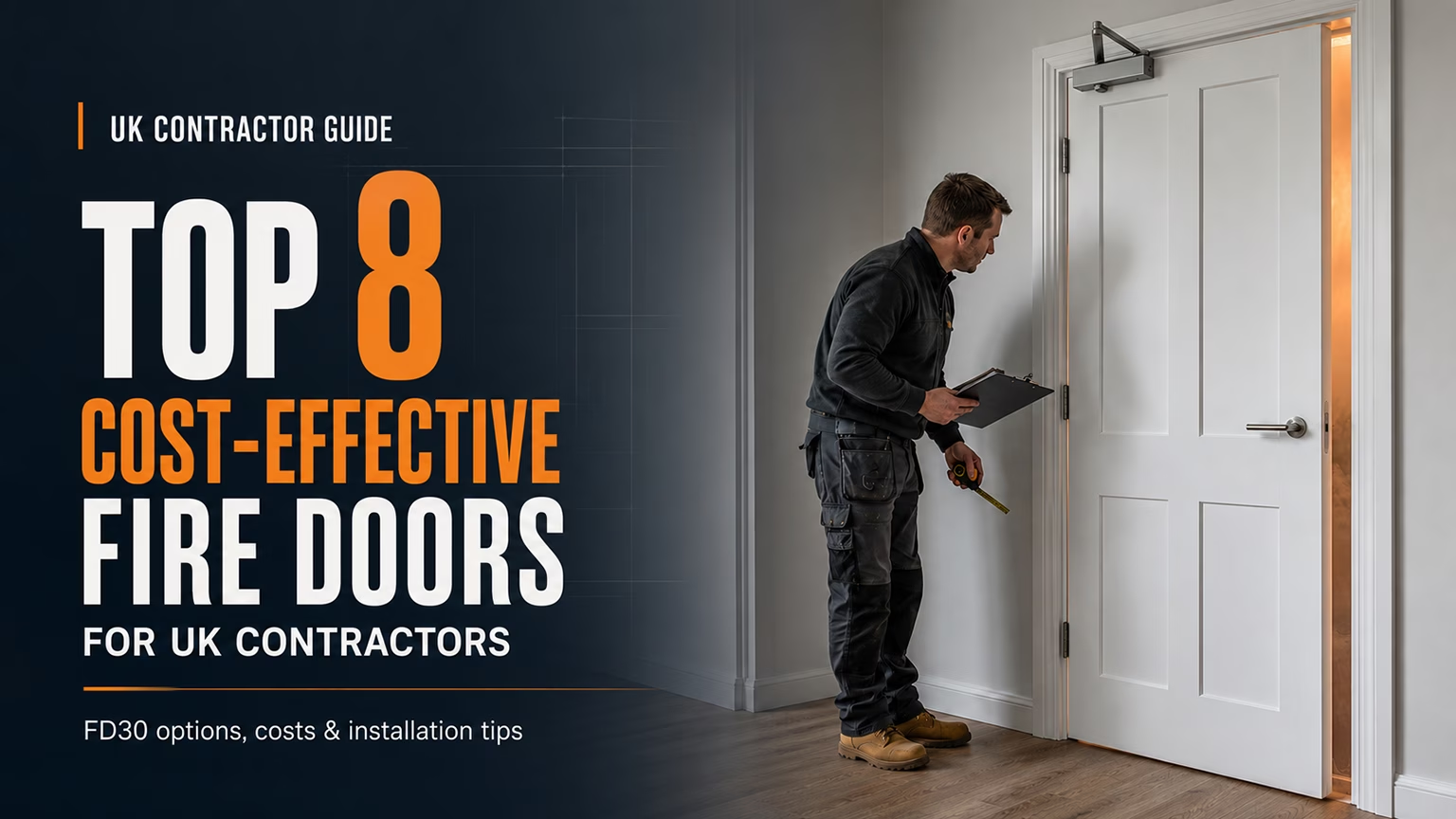
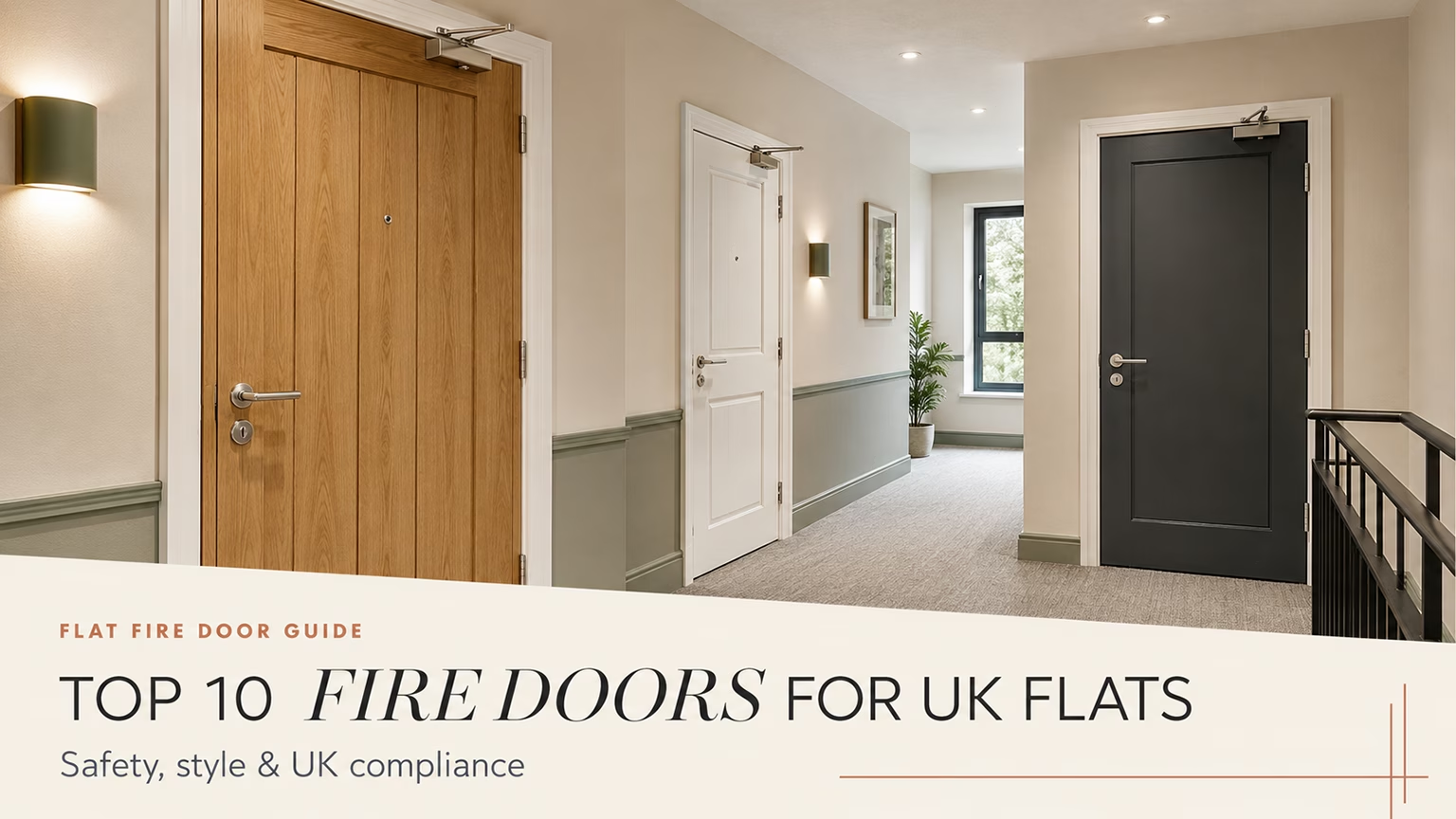
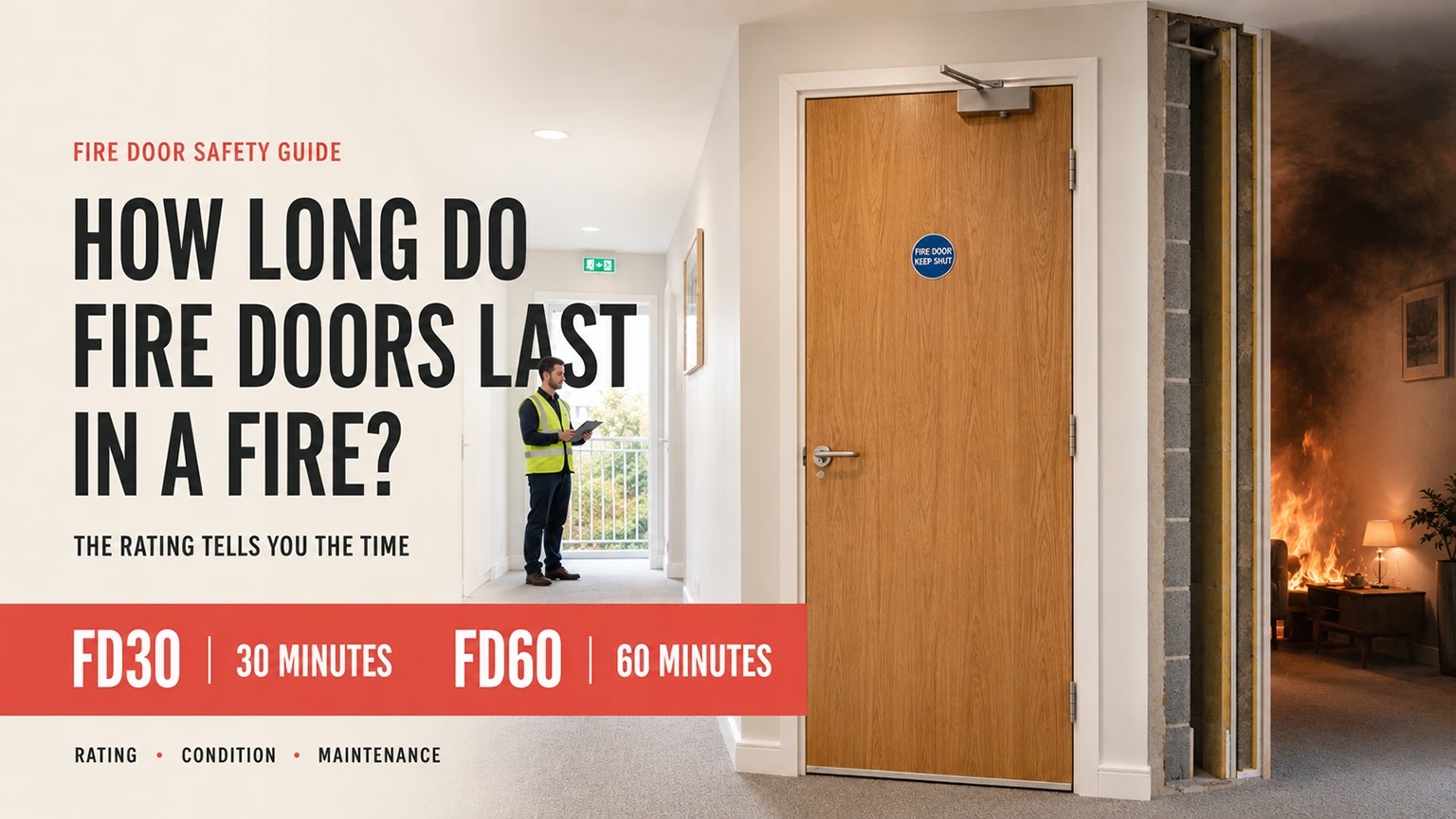
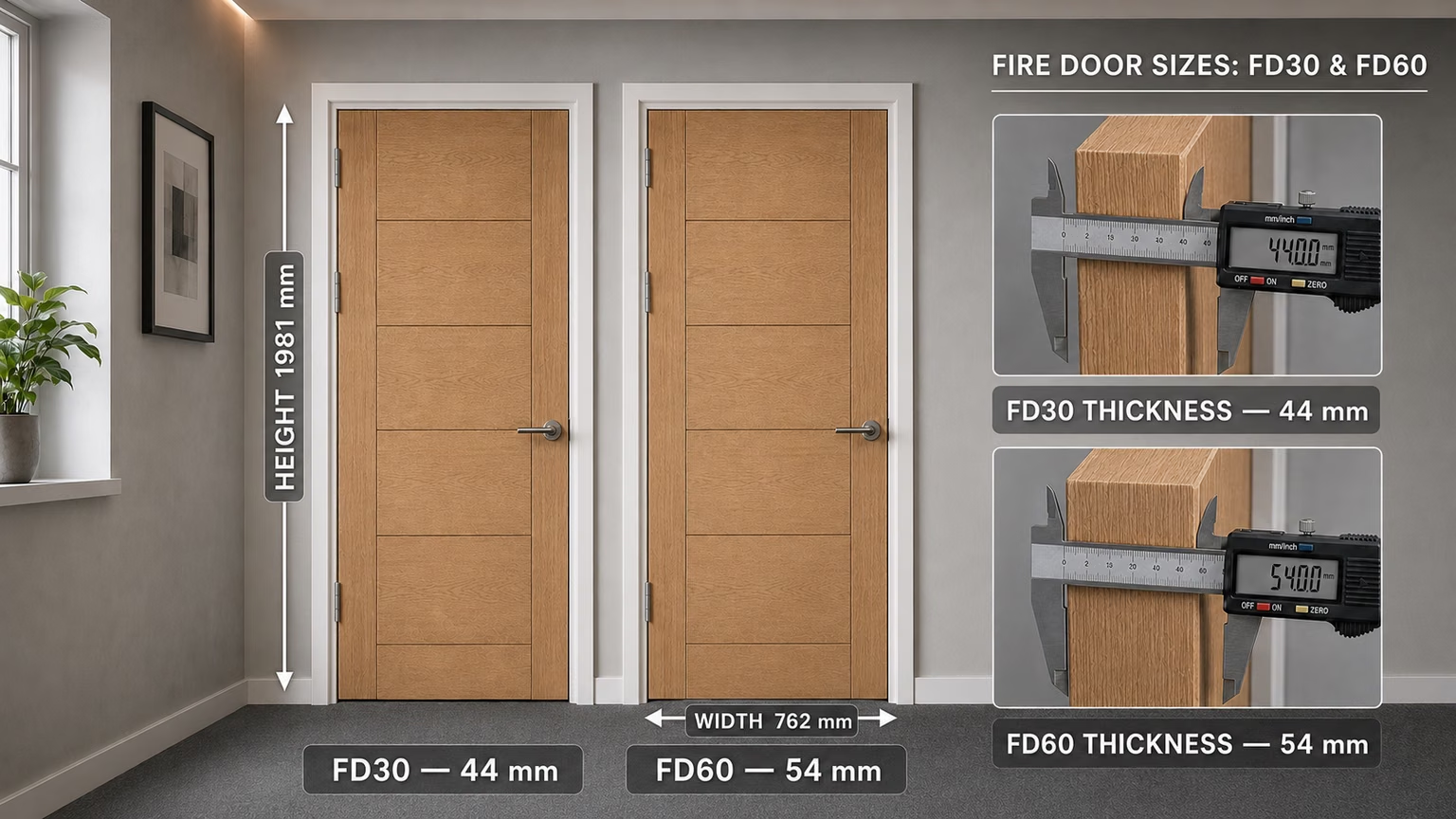
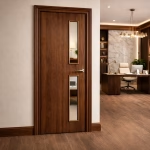
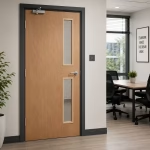
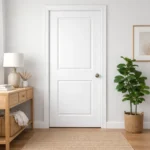
Fire doors are generally about 44 millimetres thick to do their job against fire. The normal sizes you'll see are 1981mm by 686mm for bathrooms and storages, 1981mm by 762mm (that's two foot six inches) which is the most common internal door, and 1981mm by 838mm for wheelchair and disability access. FD30 fire doors, come in the imperia and metric sizes. FD60 fire doors, are usually a thicker at 54 millimetres and can withstand fire for 60 minutes.
Fire doors prevent fire and smoke to a specific area, preventing them from spreading throughout the premises. This containment is vital, as it preserves escape routes and provides occupants with extra time to evacuate safely. In addition to protecting people, fire doors help minimise property damage and ensure that the building remains compliant with current fire safety regulations.
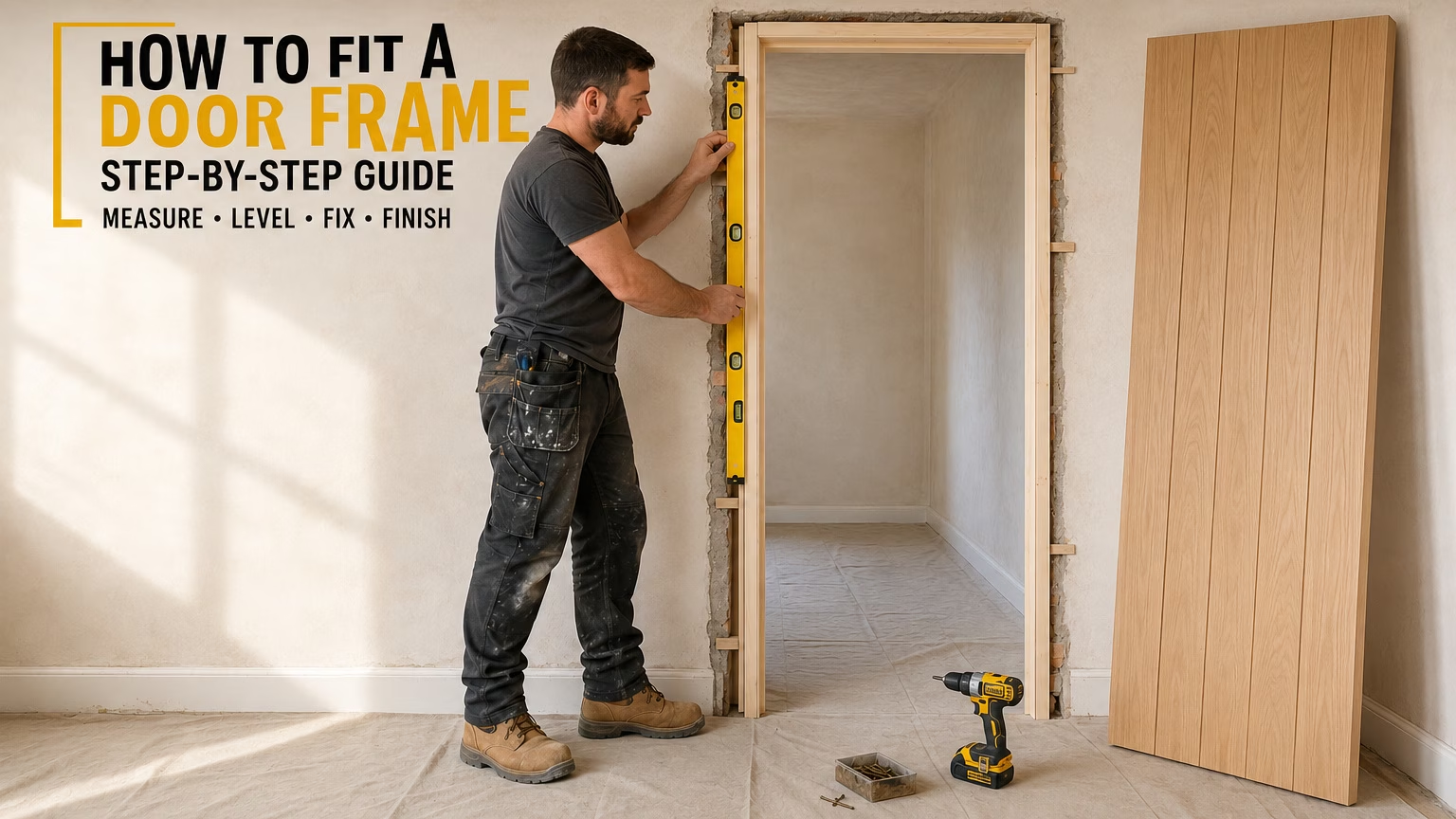
To install a door handle, mark the 1050mm height. Mark at a distance of 60 or 70 mm from the edge. A handle hole should be drilled midway between the sides. Make a hole for a latch on the edge of the door. After marking and cutting a slot for the latch, screw it in place. Screw on both handles after inserting the spindle. Mark the location where the latch attaches to the frame, close the door, drill a hole for the bolt, chisel a recess for the strike plate and screw it in.
Hollow core doors are lightweight, cost-effective, and ideal for interior use in low-cost projects, but offer poor insulation, soundproofing, and security. Semi-solid core doors, with a foam core wrapped in MDF or plywood, provide a better balance of cost, durability, insulation, and soundproofing, making them suitable for residential and commercial spaces. Solid core doors, the most expensive and heavy option, offer superior security, durability, insulation, and soundproofing, making them the best choice for high-traffic areas and locations requiring high security and privacy.
Do fire doors need to be self closing? Self-closing fire doors are crucial for building safety, automatically preventing fire and smoke spread. Legally required in UK escape routes, corridors, and staircases, they use closers meeting BS EN 1155 or BS 5839: Part 3, with hydraulic or gear mechanisms for smooth closure. Some closers hold doors open until a fire alarm triggers closure. They offer fire containment, increased escape time, legal compliance, and durability. Crucially, they must never be propped open.
Identifying a fire door requires multiple key steps. First, search for a certification label, which is usually positioned on the upper edge of the door. Next, ensure that the gap between the door and its frame is no more than 4mm. Make the door equipped with intumescent seals, which expand when exposed to heat. Check for at least three secure hinges and a fully functional self-closing mechanism. Finally, in commercial settings, look for proper fire door signage.
Different types of fire doors are available based on various factors such as their fire resistance (FD30-FD120, higher ratings for higher-risk areas), materials (steel, wood, glass), finishes (pre-finished, unfinished, primed), style (single or double), and closing mechanisms (self-closing, automatic, power-operated). You should choose the right door depending on the building’s fire safety needs.
Pre-finished doors are ready to install. They offer a durable, factory-applied finish. They're convenient and professional-looking, but more expensive and less customizable. Unfinished doors are bare wood. They provide a complete customization but need time, effort, and skill for sanding, priming, and finishing. They are the most cost-effective option. Primed doors offer a middle ground. They’re pre-coated with primer for easy painting. They save time and effort compared to unfinished doors while still allowing for custom colours, but require a final coat of paint.
The Forest Stewardship Council (FSC) is a non-profit that protects forests. They certify forests that meet high environmental and social standards, and products from these forests get the FSC logo. This helps people buy eco-friendly products, like FSC fire doors, and support sustainability. The FSC also tracks wood products to make sure they come from responsible sources.
How To Measure Up For an Internal Door? At first, measure the height, width, thickness, and frame depth. Take multiple measurements to ensure they’re correct. You should use the smallest measurements. Then, account for flooring, uneven surfaces, and standard thickness (35mm for imperial sizes, 40mm for metric sizes and 44mm for fire doors).