When you look for an internal door, there is a wide variety of types and styles. It can make you feel overwhelmed when choosing one. It is hard to understand which one is a better choice for your home: uanfinished, primed, or pre-finished doors? If you have enough information about these three kinds of doors, then it will be easier for you to choose one.
In this blog post from Z Doors, we compare unfinished, primed, and pre-finished doors and mention their features, advantages, disadvantages, and when to choose each. If you want to know what’s the difference between Unfinished, Primed, or pre-finished doors, just continue reading. After that, you’ll avoid making a mountain out of a molehill when choosing the right door!
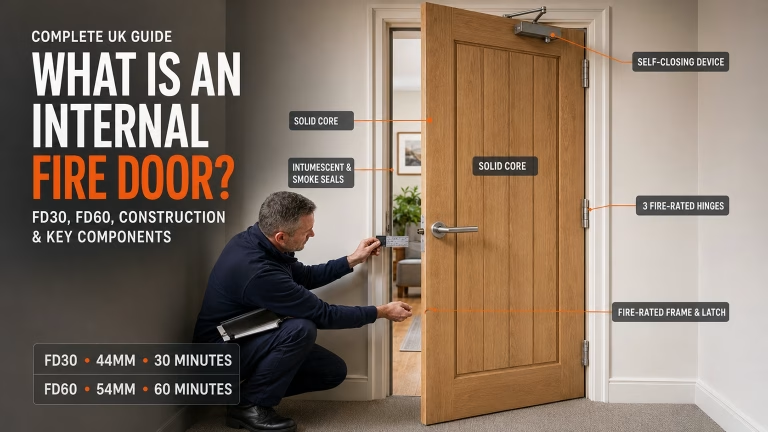
Internal fire doors are critical components of building protection systems designed to prevent the spread of fire and smoke within a structure.
What’s the difference between Unfinished, Primed, or pre-finished doors?
In the following table, you can see a quick comparison of unfinished, primed, and pre-finished doors. Afterwards, continue reading for more detailed information about each option:
| Aspect | Unfinished Door | Primed Door | Pre-Finished Door |
| Definition | Bare wood, no primer, paint, or finish applied. | Coated with primer, ready for final paint. | Fully finished with paint/varnish, ready to install. |
| Features |
|
|
|
| Advantages |
|
|
|
| Disadvantages |
|
|
|
| Best for | DIY enthusiasts
Natural wood lovers Budget-conscious buyers. |
Those wanting custom colours without sanding, basic DIY skills. | Busy individuals, no DIY experience, need durable, ready-to-install doors. |
| Installation Readiness | Not ready – needs full prep and finishing. | Partially ready – just needs painting. | Ready to install – no additional work required. |
| Cost | Lowest cost depending on the design and material used | Moderate cost, budget-friendly. | Highest cost due to factory finish. |
| Colour Durability | Depends on paint/varnish finish quality. | Moderate, based on final paint job. | High – professional factory finish. |
What is a pre-finished door?
A pre-finished door, or fully finished door, is ready to install as soon as you buy it. It’s already been sanded, primed, painted, or varnished in the factory under controlled conditions, and you don’t need to do anything else after your purchase. If you don’t have enough time to paint a door, don’t have DIY experience, or want the highest quality and smooth appearance for your door, then a pre-finished door makes it all possible. If you’re wondering Can You Paint Fire Doors?, it’s worth noting that pre-finished options often eliminate the need for additional painting. Finally, a pre-finished door saves you time and effort and provides greater durability.
Features
- Factory finish: As the paint is applied under factory conditions, it will have a smooth, high-quality finish.
- Ready to install: You don’t need extra painting or staining; just hang the door and enjoy.
- Consistent look: Compared to DIY-finished doors, a pre-finished door looks much more professional.
- Long-lasting: Several layers of sealant, sanding, and coating make it really durable.
Advantages
- Saves you time and effort.
- Enjoy a polished, high-end look.
- Longer lifespan with minimal maintenance.
- No need to buy paint materials.
Disadvantages
- Limited customisation: It takes more time and effort if you want to change the colour, as it needs sanding and refinishing.
- Higher cost: As it is factory-finished, it is a more premium door.
- Risk of damage during installation: You may need to hire an expert to repair the finish if it is damaged during installation.
When to Choose Pre-Finished Doors
- If you’re busy and don’t have time to paint the door and want to save on labor costs.
- If you want a smooth, professional, and flawless finish.
- If you don’t have DIY experience or skills.
What is an unfinished door?
An unfinished door is the complete opposite of a pre-finished door. When you buy an unfinished door, it has not been primed, painted, stained, or sealed yet. It is ready to be stained, painted, or varnished by you to match your interior design. An unfinished door is made from bare wood and offers a blank canvas so you can customise it however you like. If you don’t want a commercially available door, or prefer a natural wood finish, an unfinished door is the perfect choice for you.
Features
- Raw wood surface: An unfinished door comes in the natural state of wood, without any paint, stain, or varnish.
- Customisation-friendly: Offers flexibility, and you can paint, stain, or varnish it in any colour you like.
- Requires preparation: To make it look nice and last longer, you’ll need to sand it, prime it (if you’re painting it), and finish it.
Advantages
- Allows you to choose any finish or colour you like.
- Staining or varnishing it really shows off the wood’s natural grain and texture.
- You generally pay less when buying it.
Disadvantages
- Labour-Intensive: You need multiple steps for sanding, priming, and painting, which can take a lot of time.
- Requires skill: To get a professional finish, you need to hire a professional or have some level of DIY expertise.
- Vulnerability: It can be harmed by moisture, warping, or discolouration if it is not adequately sealed.
When to Choose Unfinished Doors
- If you have enough DIY skills and enjoy custom projects.
- If you want a special colour or finish that is not available.
- If you like the natural look of wood.
- If your interior design is bohemian, rustic, or anything that goes well with the natural look of wood.
- If you want to spend less money and still have high quality and flexibility.
What is a primed door?
A primed door sits between a pre-finished door and an unfinished door. A primed door, also known as a pre-primed door, has been coated with a base layer of primer in the factory. So, if you want to paint the door yourself, it is ready for the final coat of paint. A primed door offers the best of both worlds: the customisation of an unfinished door and the convenience of a finished door.
You can skip the sanding and priming processes, which take so much time, while enjoying the exact colour you want. Primers are often light grey or white and protect the wood to improve paint adhesion. They speed up and simplify the painting process. If you’re curious about specialised door types, you might also wonder what is an internal fire door? and how it differs from standard doors.
Features
- Primed surface: It’s already got a coat of primer on it to ensure the paint sticks well.
- Needs painting: It still needs to be painted before installation to match your interior design.
- Versatile options: You can choose any colour you want.
Advantages
- You can have your desired colour without additional effort.
- You can skip sanding and priming, which take so much time.
- You can save more money as they are cost-effective.
Disadvantages
- Still needs painting: A primed door is not completely ready to install. You still need to paint it before installing it.
- Needs material: Requires time, effort, and materials like paint, brushes, or rollers.
When to Choose Primed Doors
- If you want to choose the exact colour you want.
- If you don’t want to deal with sanding or priming.
- If you want to save money for your project.
Which door finish is better for me?

Now that you know what’s the difference between unfinished, primed, and pre-finished doors, you may want to know how to choose the best option. There are factors to consider, including the balance between cost, durability, and colour. For example, if you want the most budget-friendly option, unfinished doors may seem like the best choice.
However, you will still need to spend money on paint and primer. Fully finished doors come at higher prices, but they save you more effort and time. If you want something in between, a primed door is a good option for you. Overall, consider this information when choosing the best option:
- Pre-finished Doors: Best for those that need a smooth and sleek finish on their internal doors.
- Primed Doors: Best for interior doors where you want to choose the final colour and match your interior design.
- Unfinished Doors: Best for utility rooms, garages, or renovations where cost matters. They offer the most flexibility for custom colours.
Tips for Painting or Finishing Primed and Unfinished Doors
If a primed or an unfinished door is your choice, there are some tips to consider for achieving a smooth and durable finish:
- Sand smoothly: To help the paint or varnish adhere better, you should use fine-grit sandpaper for sanding. It helps you create a smooth and even surface.
- Use a primer: If you choose an unfinished door, make sure you apply a primer before you start painting. It helps prevent the door from absorbing too much paint and achieve a consistent finish.
- Apply thin coats: It’s always better to use several thin coats of paint or varnish instead of a single thick one. To prevent uneven texture and streaks, let each coat dry completely before applying the next.
- Select high-quality finishing supplies: For doors in high-traffic areas, choose high-end paints or varnishes. Better coverage, durability, and a longer-lasting finish are all provided by high-quality materials.
You can paint fire doors if you follow safety guidelines to maintain their fire-resistant properties. It’s better to choose fire-resistant intumescent paint. It is possible…
Which door finish is most popular in UK?
Some internal door finishes are popular in the UK due to their adaptability, aesthetic appeal, and compatibility with various interior design styles. Some of the most popular finishes for both internal fire doors and regular doors in the UK include:
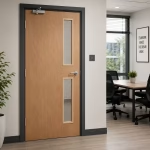
- Oak Veneer: They have a warm, natural look and are suitable for adding a touch of sophistication to both traditional and modern interiors.
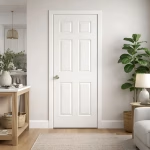
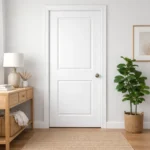
- White Primed: White primed doors provide a clean, fresh look, and they’re an excellent choice for minimalist home designs. You can paint these doors in any colour you like, as they’re pre-primed.
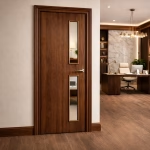
- Walnut: This finish provides a luxurious feel and rich, dark tones. If you want to add depth and warmth to your interior design, it is a good option.
- Contemporary Grey: People who want to reflect a modern interior design prefer this finish. It also provides a sleek, stylish look and is the best choice for industrial, Scandinavian, and minimalist design schemes.
Find Your Ideal Door Finish in ZDoors
You don’t know how to find the perfect finish? The answer is here! At ZDoors, we help you find the door finish that truly complements your home or workplace. Whether you like the classic charm of oak veneer or the luxurious feel of walnut, we’ve got a finish that you’ll really like and that will elevate your space. For those who are not sure which colour is perfect for them, our expert team is ready to guide you. For more information and to discover our wide range of finishes, check out our internal door finishes.
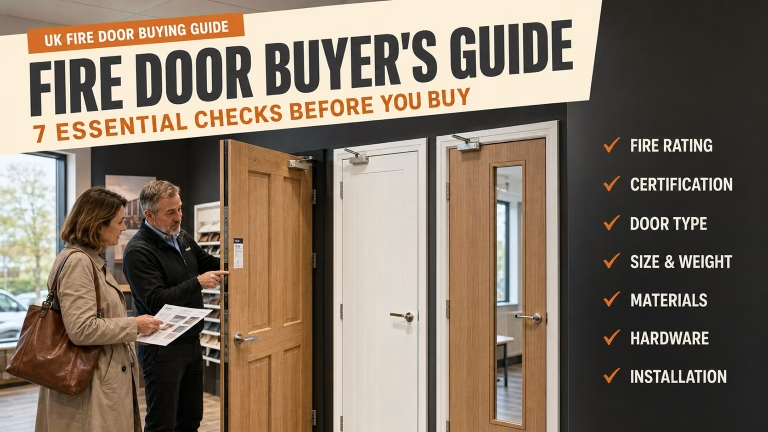
Have you ever considered the safety of your home or workplace against fire hazards? Since fire risk always exists and can occur at times, purchasing…
Conclusion
Depending on your preferences, financial situation, and level of effort, you can choose between unfinished, primed, or pre-finished doors. Pre-finished doors are the simplest choice if you’re not into DIY projects. They require minimal maintenance and are ready to install, so you can save time and energy. Primed doors provide a fair compromise between price and personalisation. You can easily add your own touch because they are ready to paint. Although unfinished doors require the most time and work, they are ideal for special design projects as they offer the greatest flexibility for creating a truly unique finish.
FAQ
1) What’s the difference between pre-finished and unfinished doors?
Pre-finished doors have a factory-applied finish that is ready to be installed right away without further care. Whereas unfinished doors are not finished, they can be customised to fit certain design tastes.
2) What is the difference between primed and finished doors?
While finished doors have a final coating and are prepared for installation, primed doors have a base coat applied to get them ready for painting.
3) Can I paint over a pre-finished door?
Yes! It is possible to paint over a pre-finished door, but in order to guarantee paint adherence, the surface must be properly prepared with sanding and priming.
4) Can you leave internal doors unfinished?
It is highly recommended to finish an Internal doors since, in the long run, they may become more vulnerable to wear, moisture, and filth contamination.