Internal Doors
Our internal doors come in oak, white, black, grey and walnut, as solid panel designs or glazed with clear, frosted, reeded or tinted glass. Most come in standard UK sizes at 35mm or 40mm thick. Three choices narrow the range quickly: the finish, whether you want glass, and whether the door arrives pre-finished or primed for painting. Nothing on this page is fire-rated, so if the opening needs a rating, head to our internal fire doors instead.
 1930's style Doors
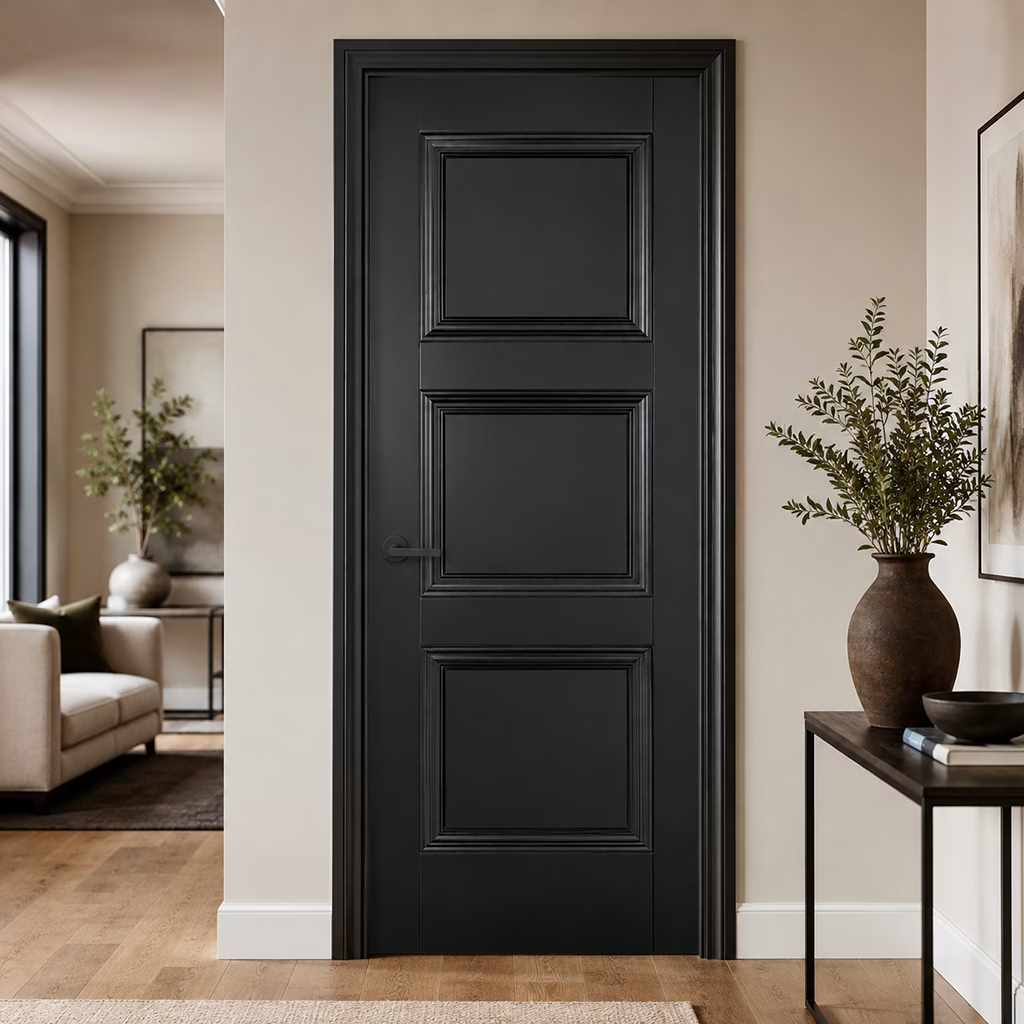
 Black Internal Doors
 Clear Glass Internal Doors
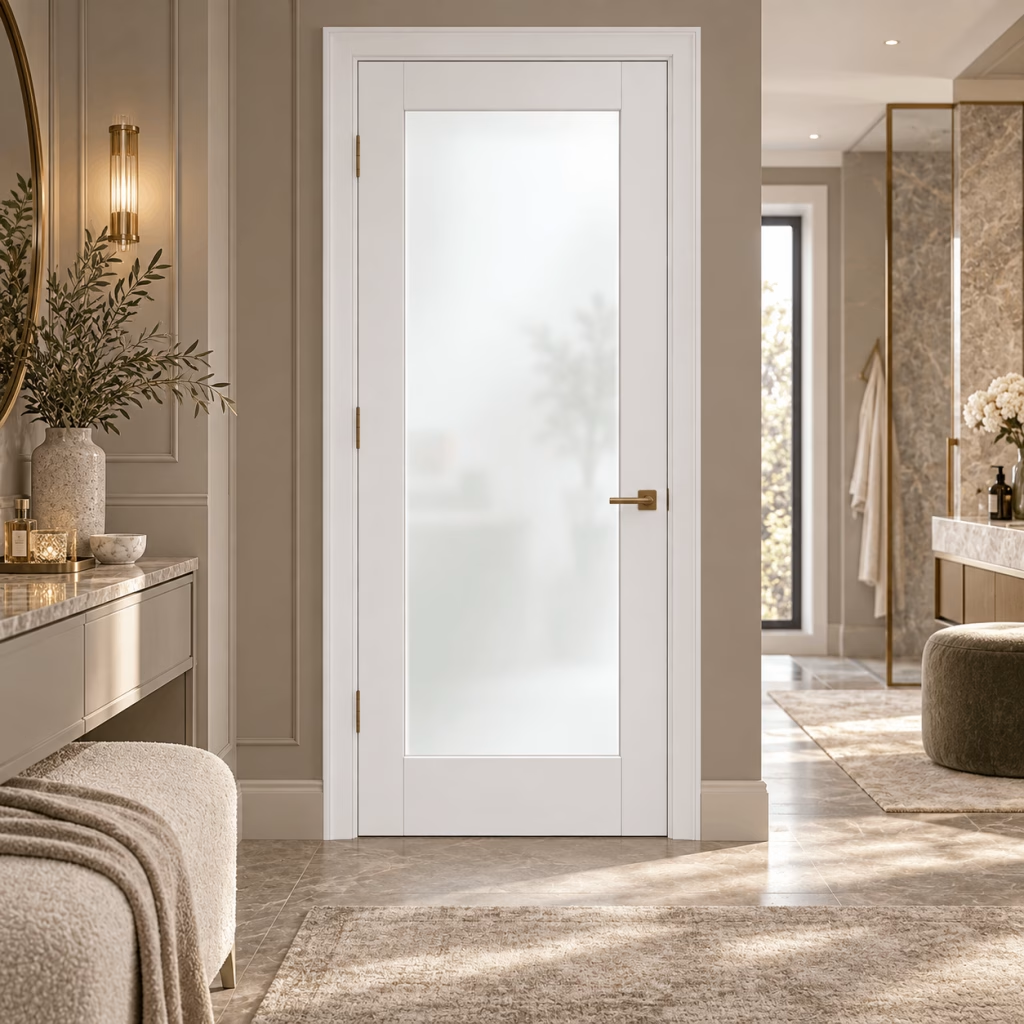
 Frosted Glass internal Doors
 Grey Internal Doors
 Hollow Core Internal Doors
 Internal Cottage Doors
 Internal Flush Doors
 Internal Glazed Doors
 Internal Panel Doors
 Internal Solid Doors
 Laminate Doors
 Oak Internal Doors
 Pre-finished Internal Doors
 Primed White Internal Doors
 Unfinished Internal Doors
 Urban Style Internal Doors
 Victorian Internal Doors
 Walnut Internal Doors
Products: 567
-
-
-
-
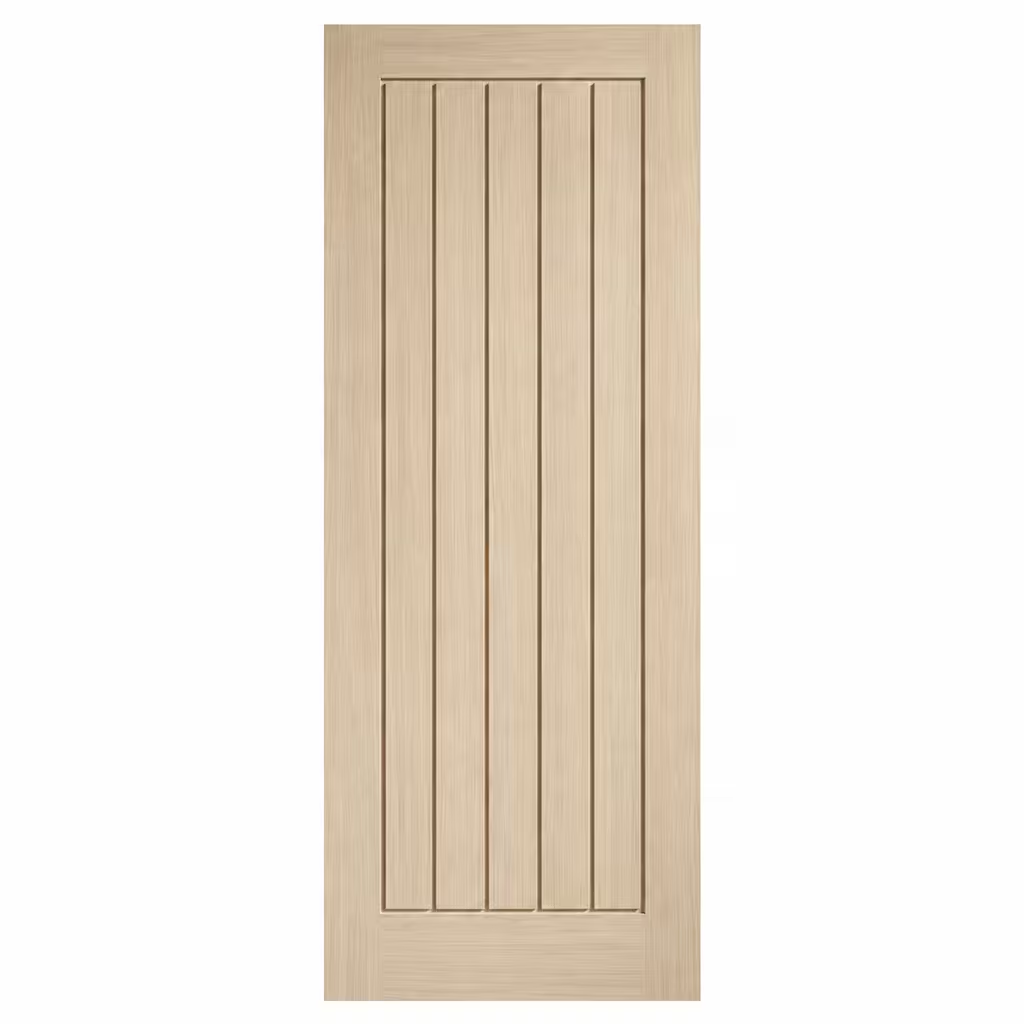
 LPD
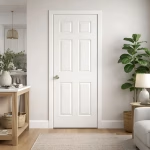
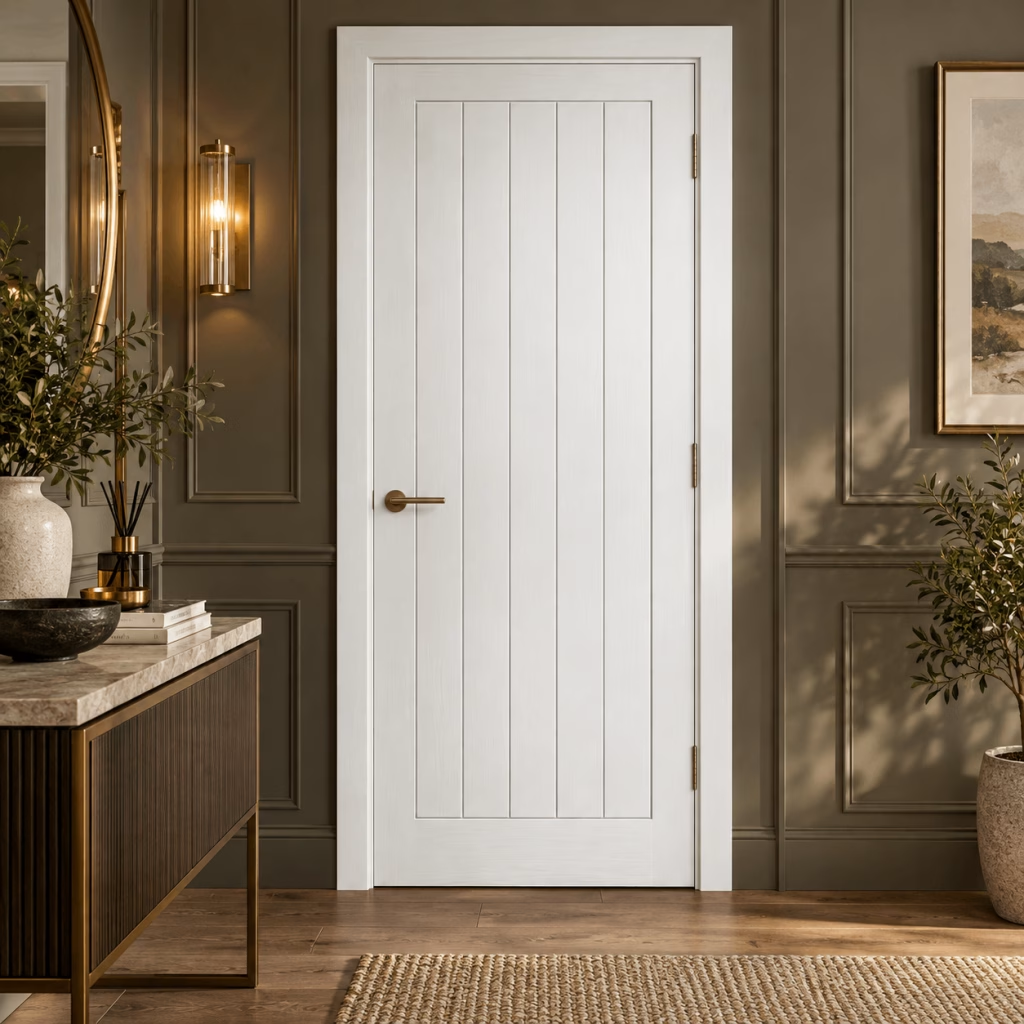
LPD Vertical 5P White Primed Moulded Square Cut Groove Vertical Panel Textured Internal Door
£69.00 – £78.00Price range: £69.00 through £78.00 -
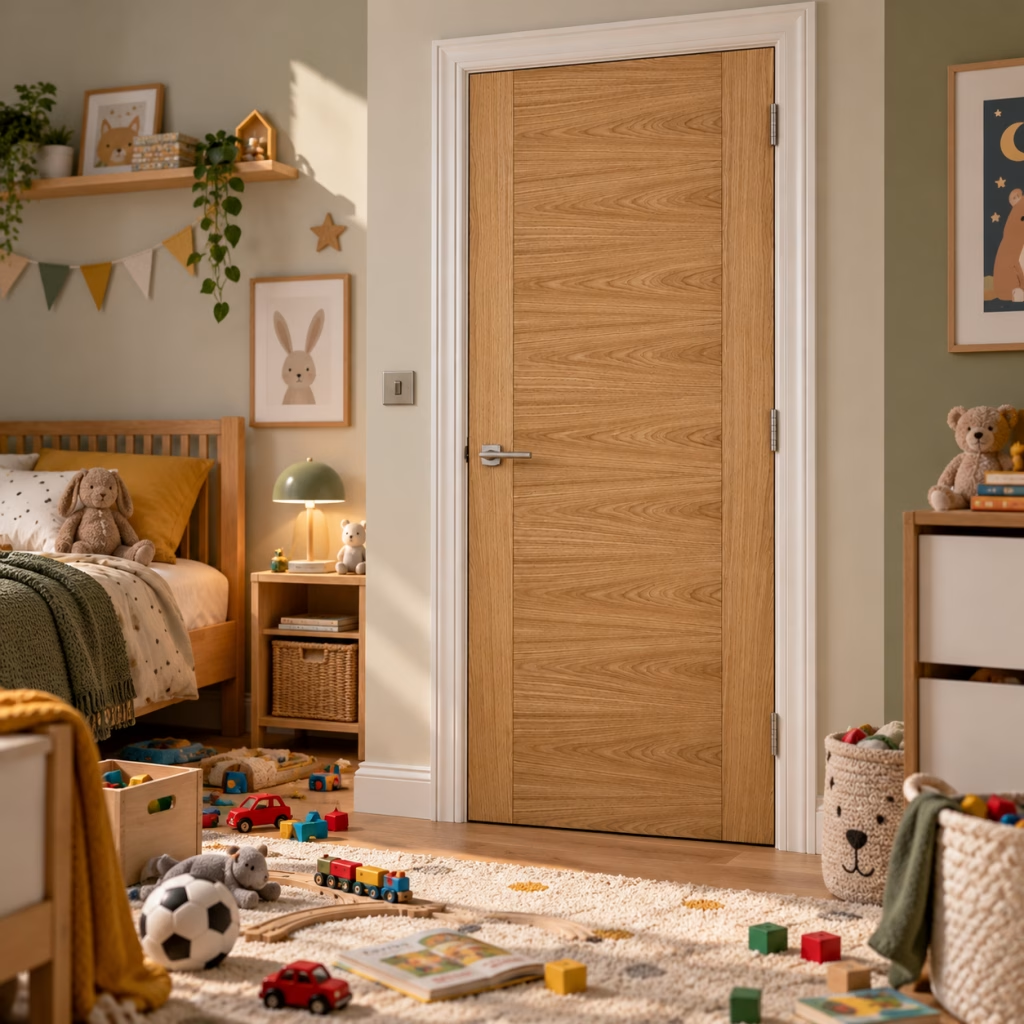 LPD
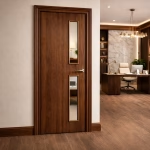
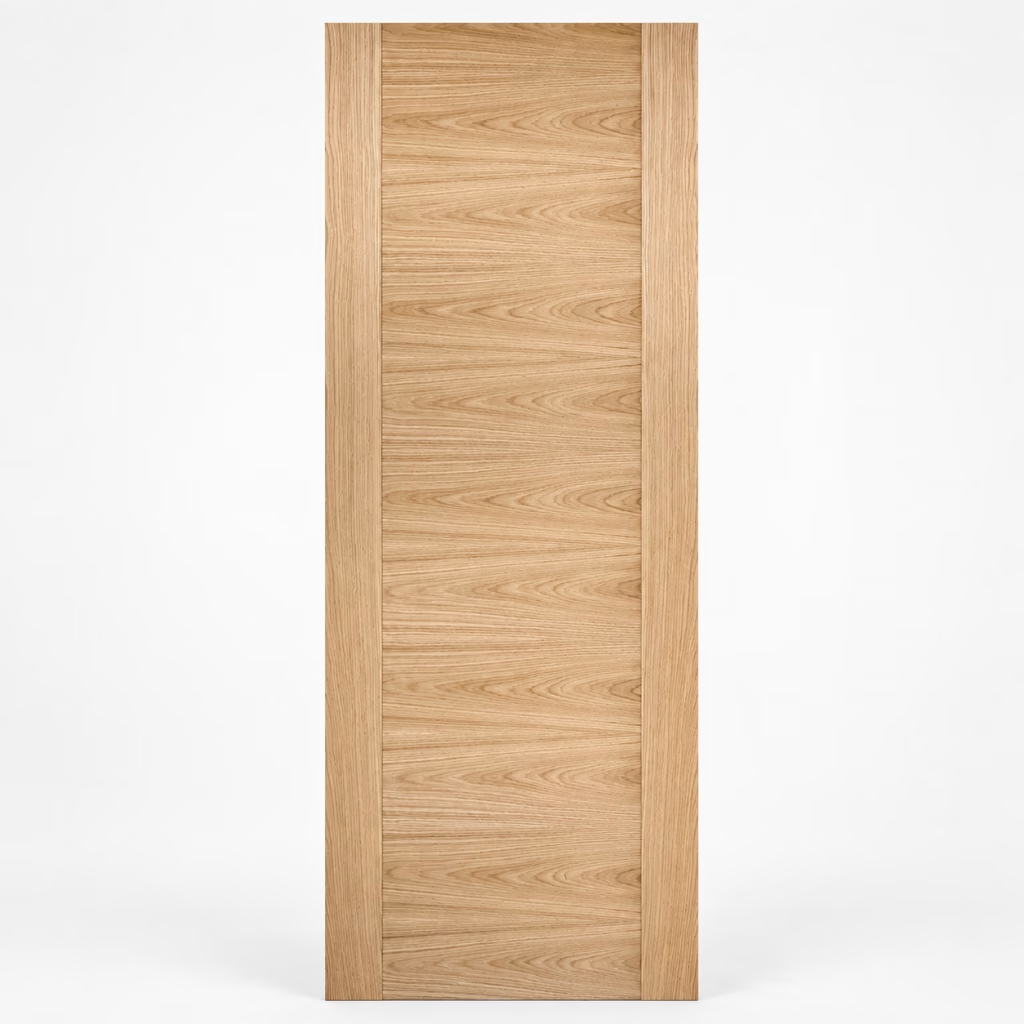
LPD Sofia Oak Horizontal Panel Veneer Pre-Finished Internal Door
£135.00 – £136.00Price range: £135.00 through £136.00 -
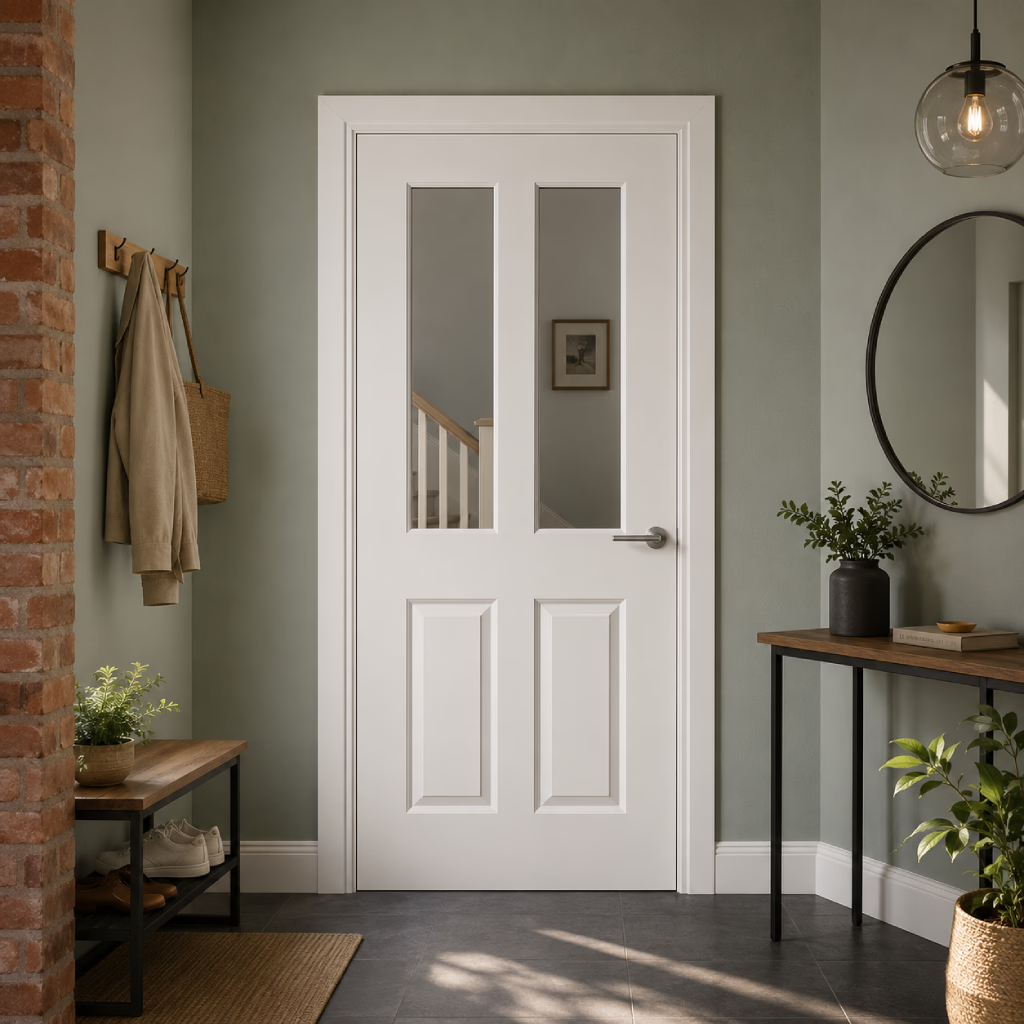 41%Premdor
PREMDOR White Primed Textured 2 Panel 2 Top Clear Glass Internal Hollow Core Door
You save £45.00£110.00Original price was: £110.00.£65.00Current price is: £65.00. -

-
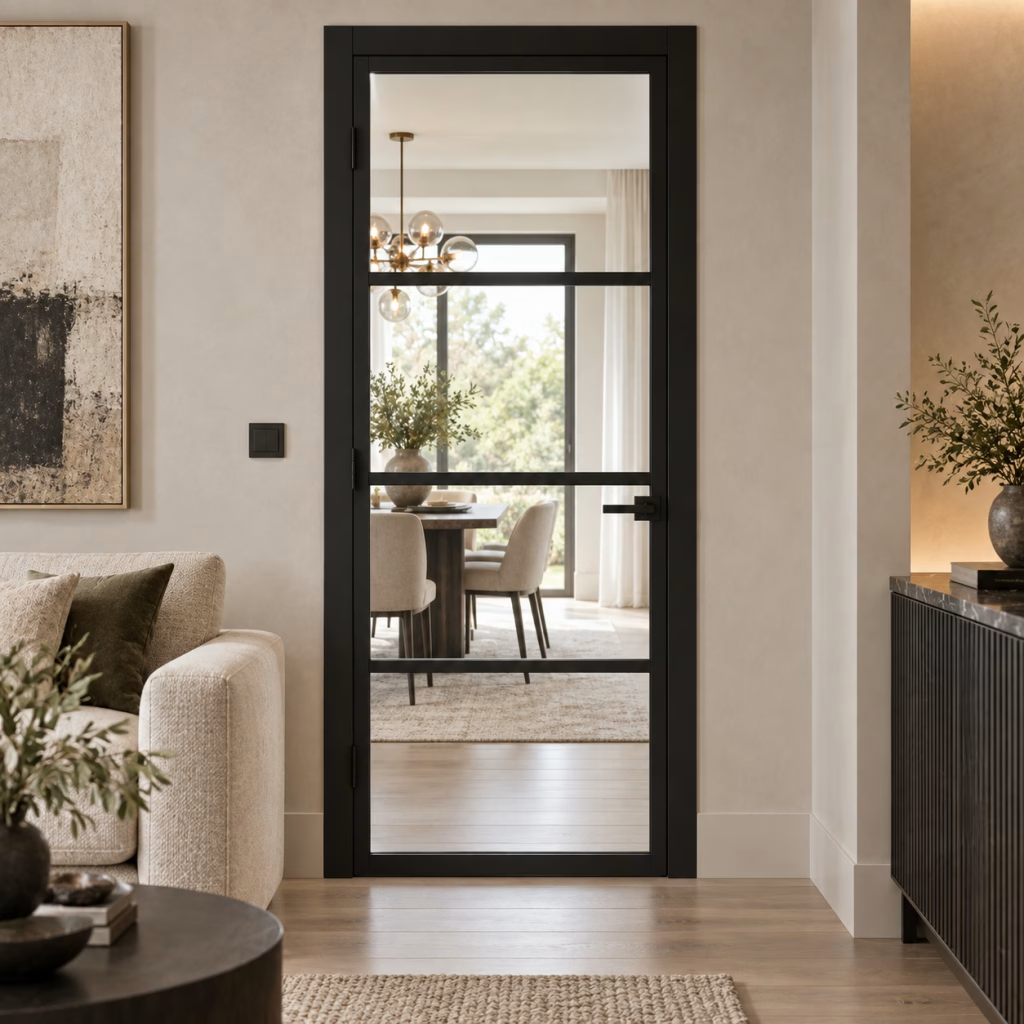 LPD
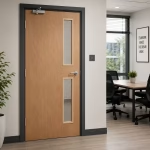
LPD Soho Black 4L Wide Clear Glazed Industrial Smooth Pre-Finished Internal Door
£210.00 – £215.00Price range: £210.00 through £215.00 -
-
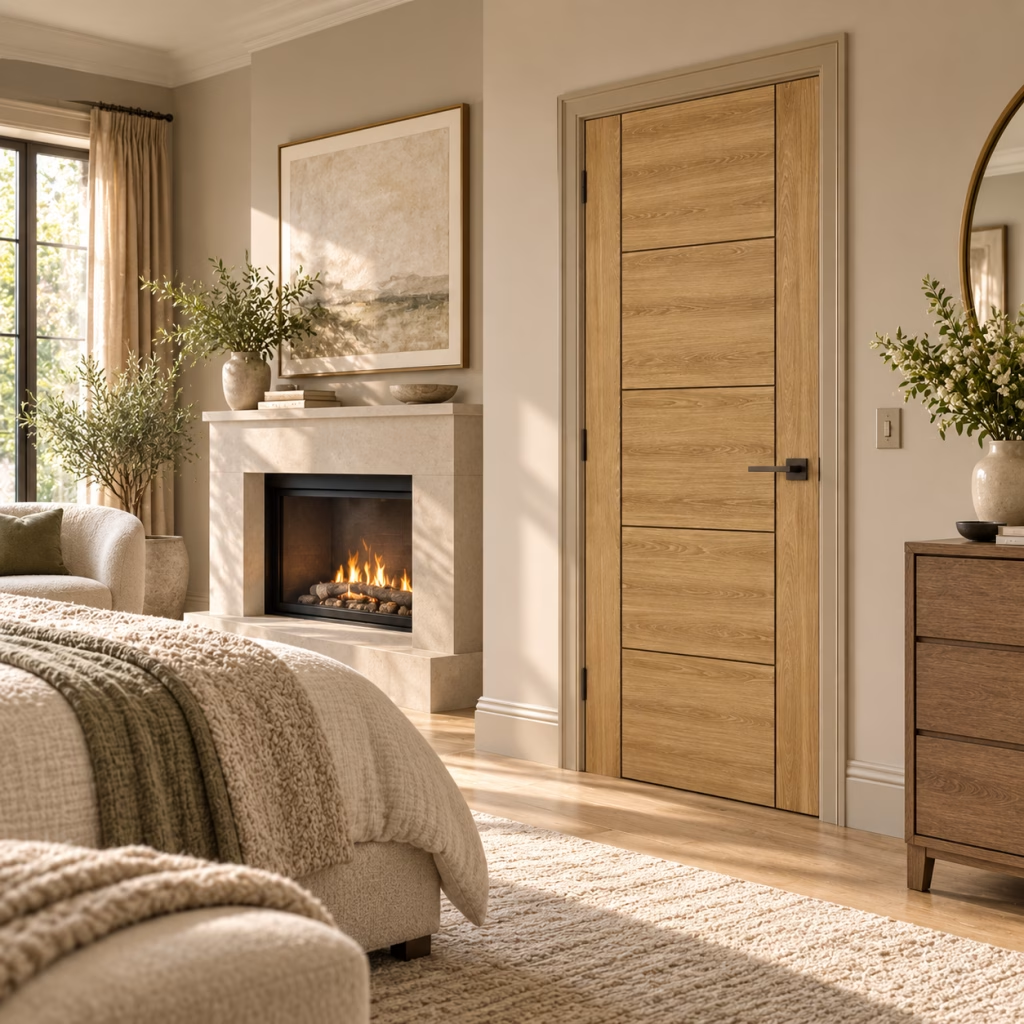
 LPD
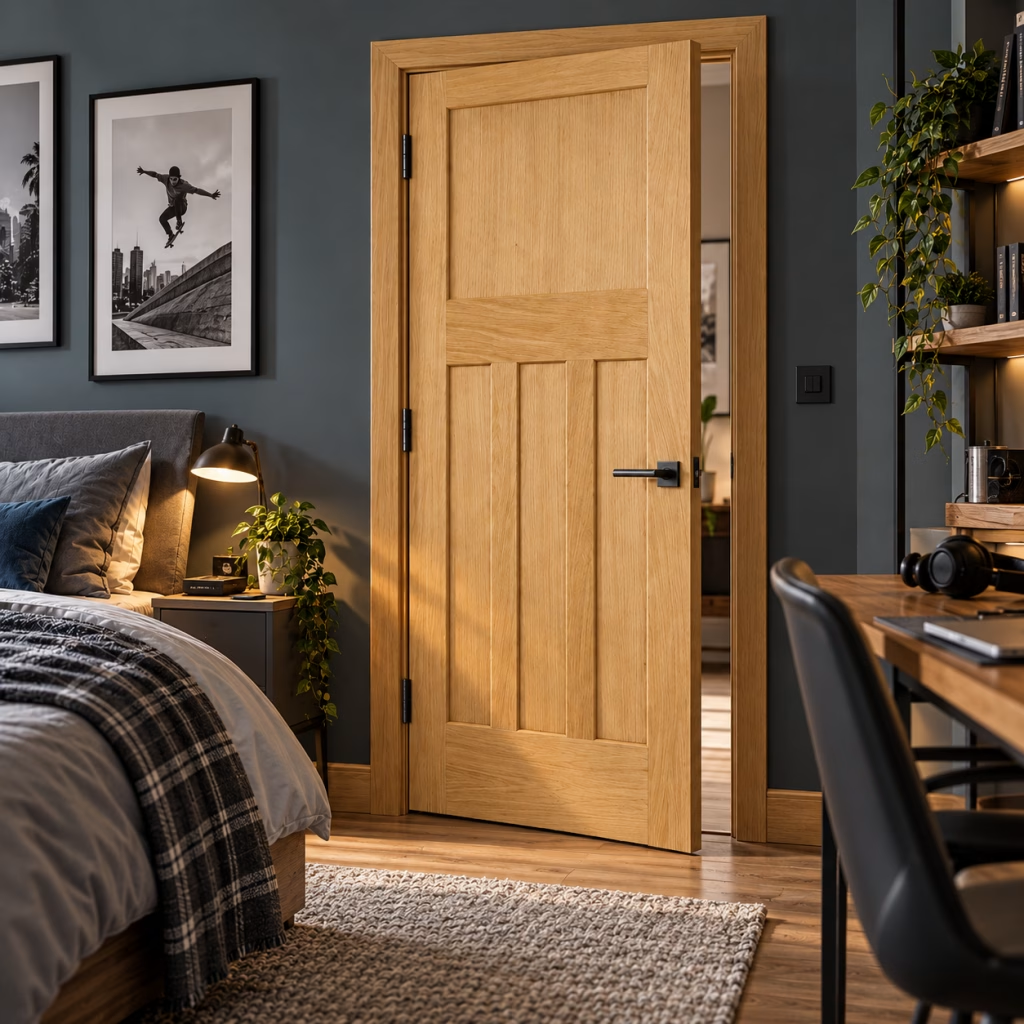
LPD DX 30s Oak 4 Panel Veneer Unfinished Internal Door
£110.00 – £115.00Price range: £110.00 through £115.00 -
-

-
-
-
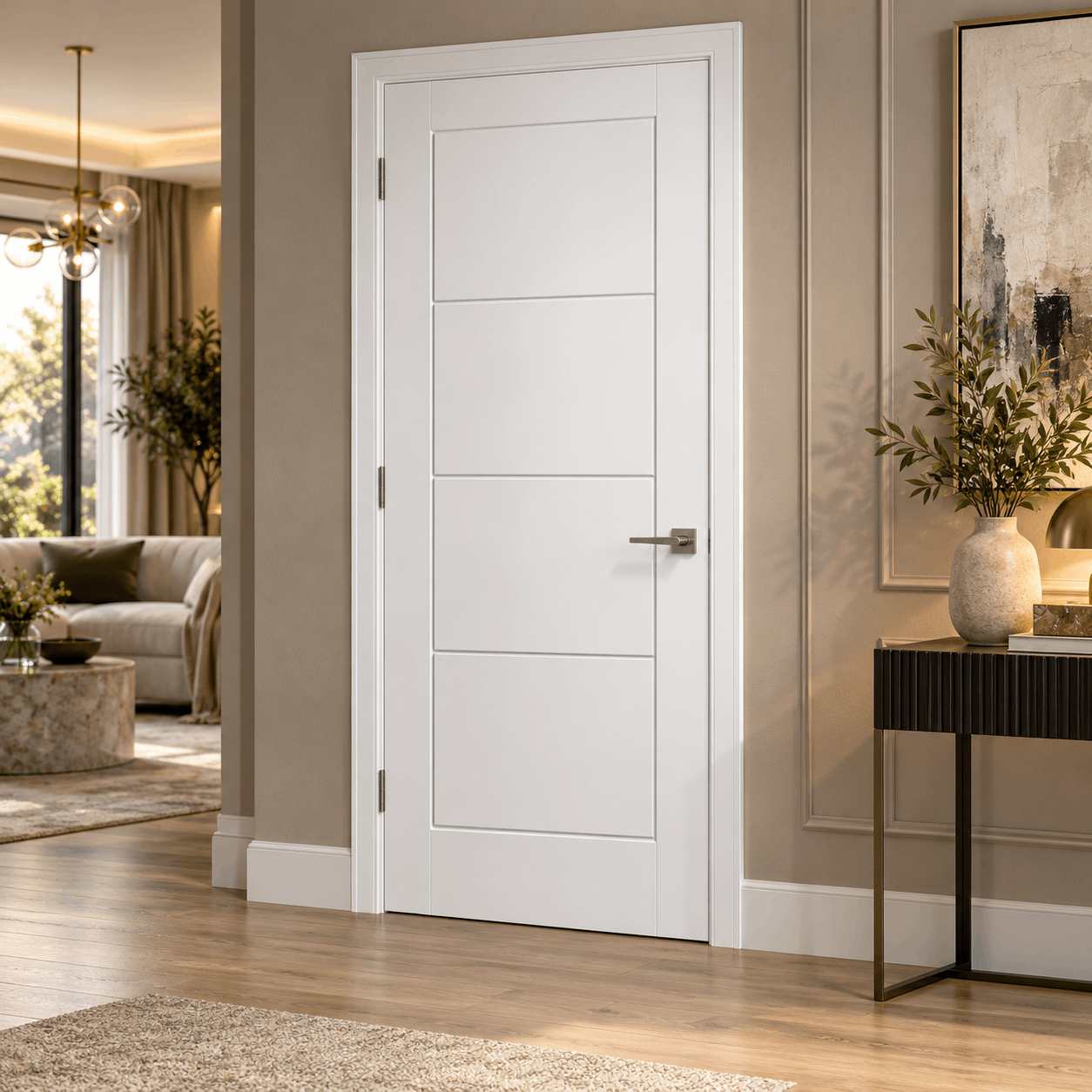 14% to 16%LPD
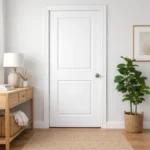
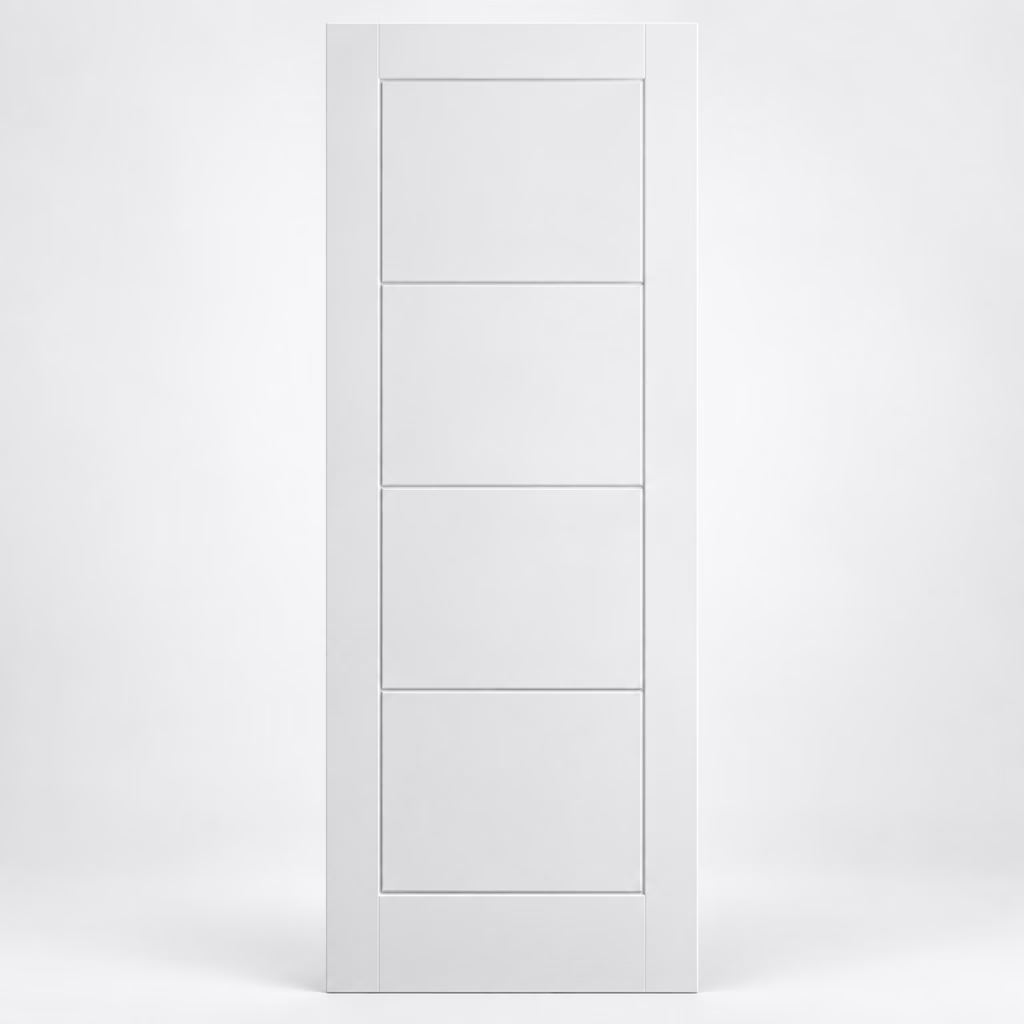
LPD Ladder White Primed Moulded 4 Equal Panel V Cut Groove Ladder Design Smooth Internal Door lifestyle
£43.00 – £46.00Price range: £43.00 through £46.00You save £9.00





Buying guide
In this guide
- Choosing internal doors by finish
- Glazed or solid internal doors?
- What’s inside the door: solid, semi-solid or h…
- Interior door styles: panel, cottage, Shaker a…
- +17 more
Choosing internal doors by finish
The finish sets the look and how much work is left after delivery.
- Oak: the biggest part of the range, with most designs using an oak veneer over an engineered core. Browse our oak internal doors for panelled, grooved and glazed styles.
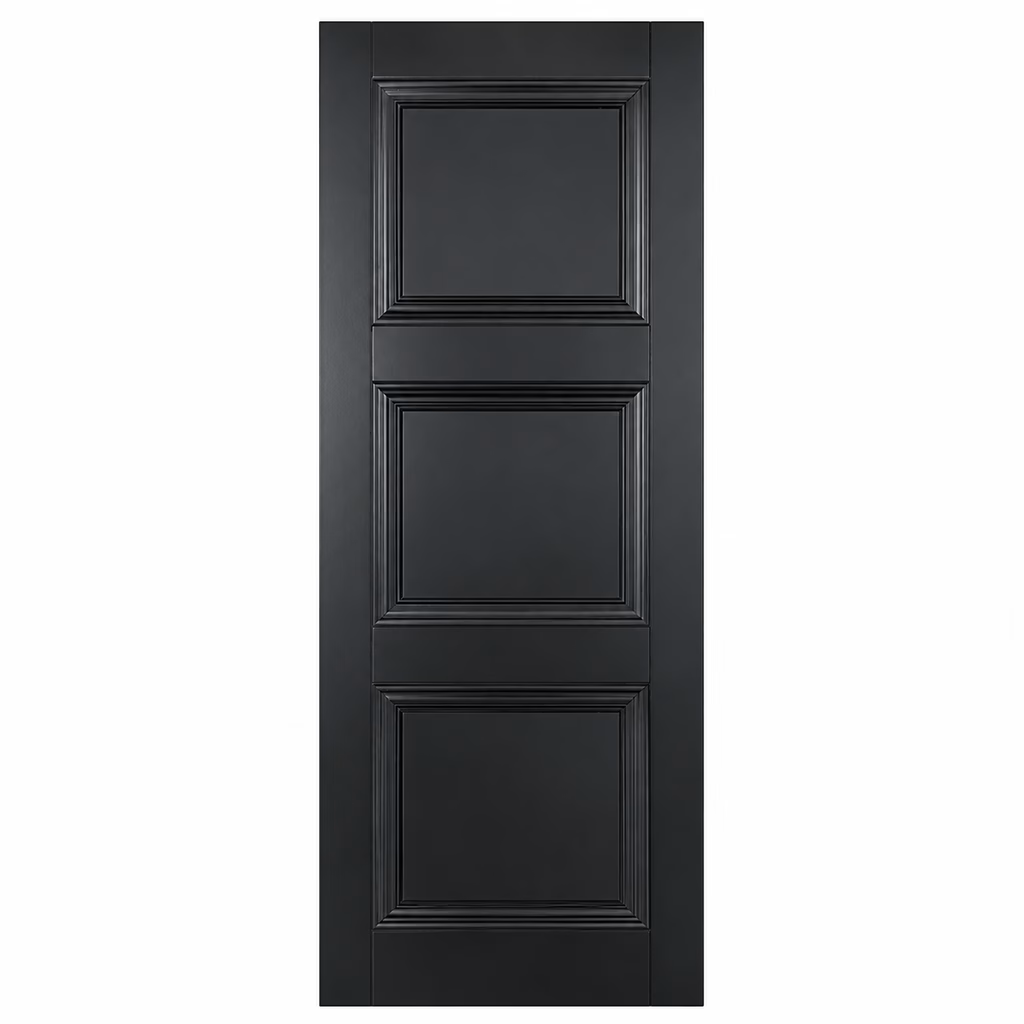
- Black: a strong contrast against pale walls, from Deanta and LPD, many with clear glass.
- White: almost all supplied primed, ready for your top coats. Our white primed doors suit landlords and anyone matching existing painted woodwork.
- Walnut: a darker timber look from Deanta and LPD, all pre-finished in veneer or laminate.
- Grey: mostly pre-finished, in light, medium, dark and ash grey. Our grey doors have a wood veneer or wipe-clean laminate face.
Unfinished oak usually costs less and lets you choose your own oil or lacquer, but it needs sealing on all six faces, edges included, before use.
Pre-finished doors, on the other hand, are sealed or coloured at the factory and ready to hang once trimmed. Our pre-finished internal doors cover oak, white, black, grey and walnut.
Glazed or solid internal doors?
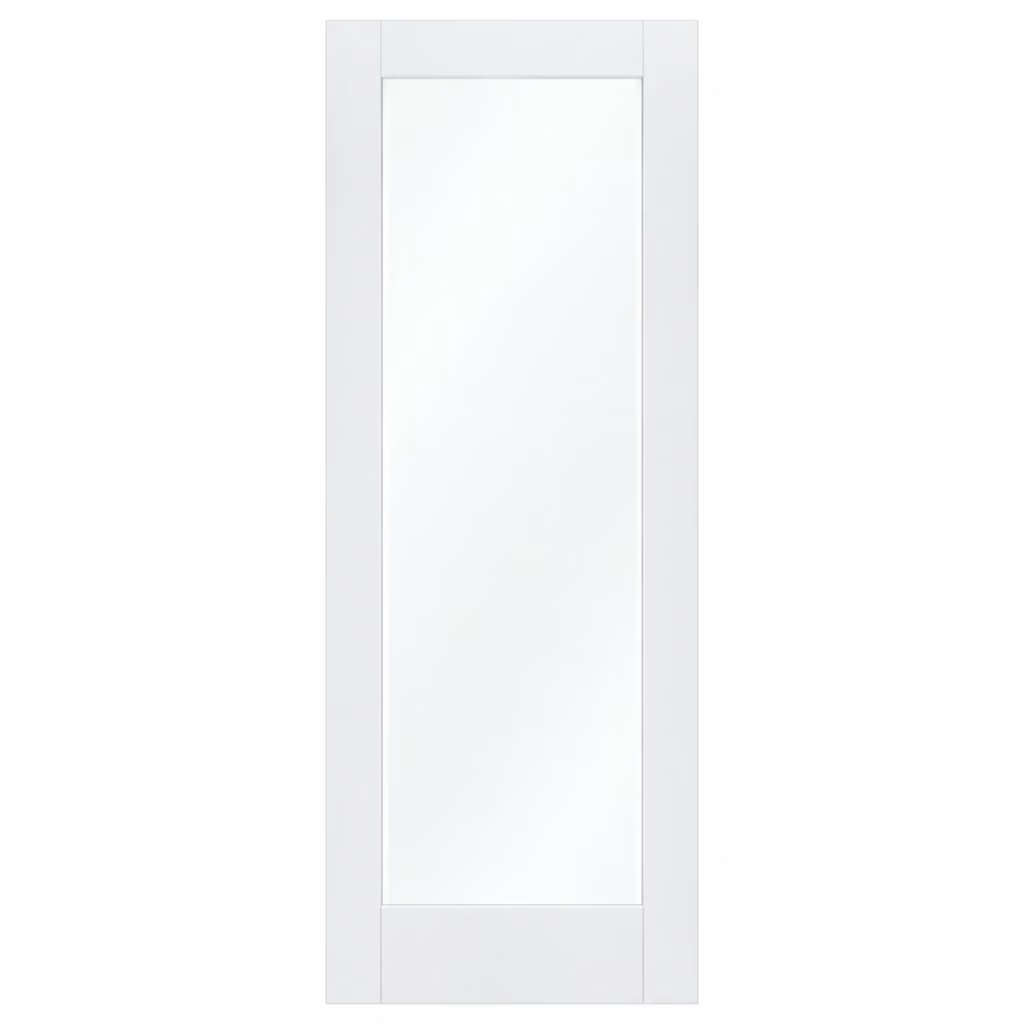
A glazed door borrows light from the next room, which helps in a dark hallway or a kitchen-diner, while a solid panel door gives more privacy and cuts down sound a little better. You can compare every glass design in our glazed internal doors.
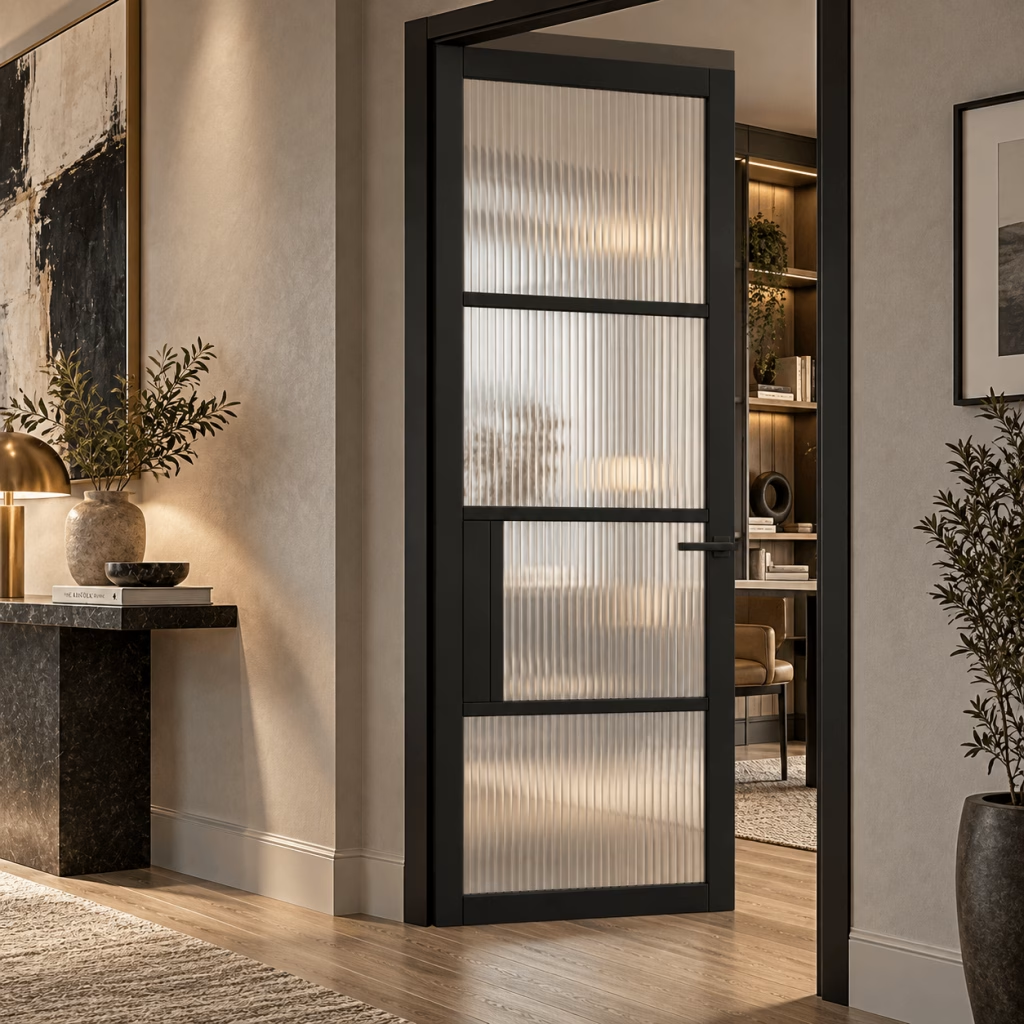
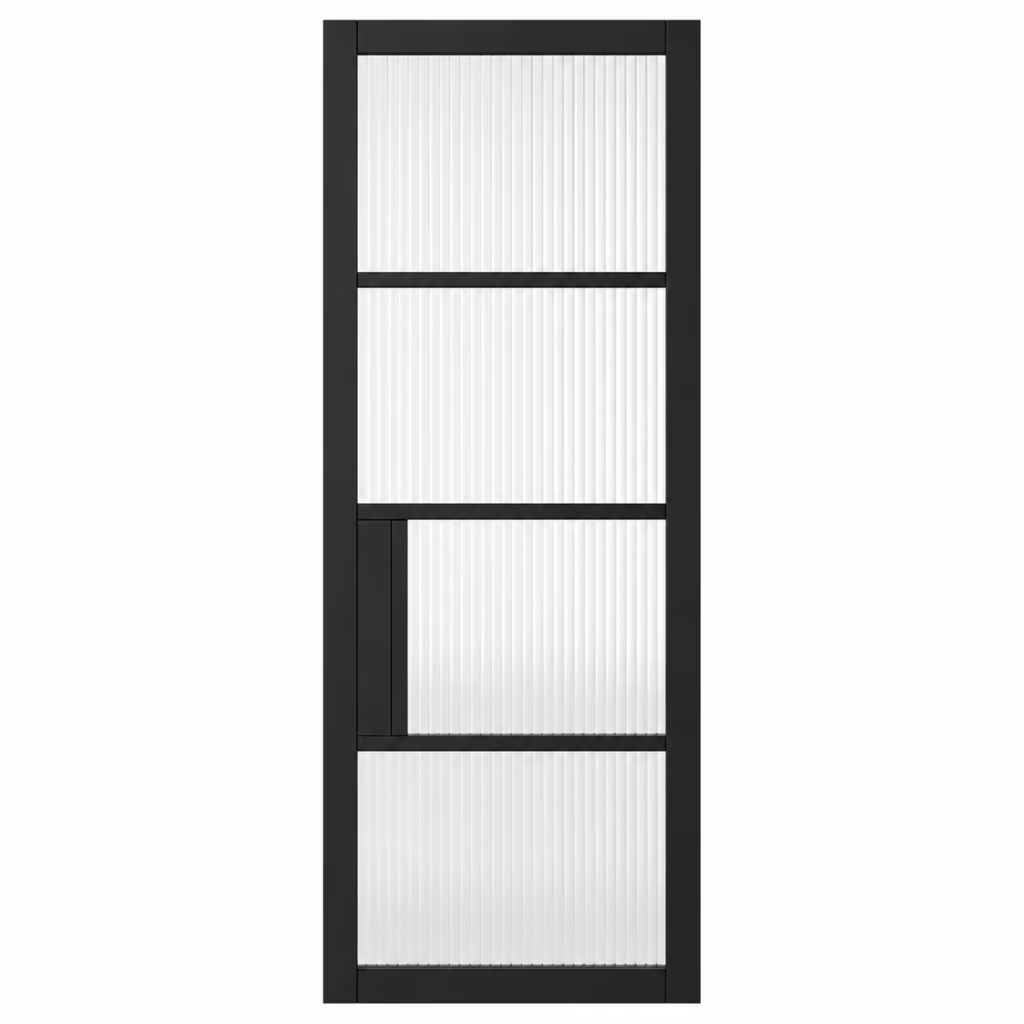
Clear glass is the most common option, followed by clear bevelled, clear toughened and clear glass with frosted lines, with frosted, reeded, patterned and brilliant-cut designs too. Frosted and reeded glass blur the view but still let light through, which suits bathrooms. With young children in the house, or glass low in the door, check the product page for whether it’s toughened safety glass.
Tinted glass appears mainly on our black internal doors, where it keeps the dark look intact.
What’s inside the door: solid, semi-solid or hollow core
The core decides the weight, how much sound gets through and much of the price.
| Core | What’s inside | Weight and sound | Best for |
|---|---|---|---|
| Solid core | An engineered core, usually chipboard | Heaviest, and the quietest of the three | Bedrooms, living rooms and home offices |
| Semi-solid core | A lighter engineered fill | A middle ground on both | Busy family rooms on a tighter budget |
| Hollow core | A honeycomb card frame inside the skin | Lightest, and lets the most sound through | Cupboards, utility rooms and rented homes |
Most of the range is solid core, the better bet for bedroom doors and living room doors. Our solid core doors cover every finish.
Interior door styles: panel, cottage, Shaker and flush
The types of doors in this range fall into four main styles.
- Panel doors: two, four, five or six panels, from raised mouldings to clean vertical panels. Our panel doors suit both period and newer homes.
- Shaker doors: a plain frame around flat panels, at home in most houses.
- Cottage doors: vertical grooves for a farmhouse look, and our cottage doors are mostly LPD Mexicano and Belize designs.
- Flush doors: a single flat face, often primed for painting, for a plain contemporary finish.
In a 1930s semi, LPD’s DX 30s designs take their cue from doors of that era, while four-panel and Shaker doors sit well in most Victorian and Edwardian houses.
Most designs are a single leaf. For a wide opening between two rooms, bifold doors fold back against the wall instead of swinging into the room, and a few glazed styles also come as pairs or room dividers.
Sizes and thickness: measuring for the right door
UK doors come in two size systems, and we stock both.
| System | Height | Widths | Thickness | Where you’llfind it |
|---|---|---|---|---|
| Imperial | 1981mm (6ft 6in) | 457mm to 838mm | 35mm | Most homes in England and Wales |
| Metric | 2040mm | 526mm to 926mm | 40mm | Most Scottish homes and some newer builds |
Keeping the existing frames? Stick to the system they were built for, as a metric door won’t fit an imperial opening without a new frame.
Measure the opening rather than the old door, as frames move over the years, and if new carpet or flooring is going down, measure from the finished floor level. Trimming allowances run from about 4mm to 30mm depending on the design, and hollow core doors have the least timber at the edge, so choose the size closest to your opening. Our measuring guide takes you through it step by step.
Frames, handles and the rest of the doorway
Every door is sold as the leaf only, so when you plan new internal doors, plan the rest of the doorway at the same time.
- Door frame, door lining and architrave: if the old frame is damaged or you’re changing size, our internal frames and linings come in oak, white primed and black primed, with matching architrave to finish the opening.
- Hinges: heavier solid-core doors should hang on three hinges, which we sell separately.
- Door handles: handle packs are sold separately, including privacy versions for bathrooms. Choose the door furniture once you’ve picked the finish, so the metal suits the timber or paint. Other door accessories sit in our ironmongery range.
The brands behind our interior doors
LPD makes the majority of the internal doors for sale here, across every finish and in both size systems, while Premdor adds a smaller selection of primed and glazed designs.
Deanta is behind many of our black and walnut designs, and its timber is FSC-certified.
Delivery, collection and trade orders
Before you decide where to buy internal doors, compare the details. Every product page here lists the core, thickness, glazing and size options. For discounted lines in limited stock, look in our Outlet Store.
We deliver across the UK, and the options for your postcode show at checkout. If you’re close to Manchester, you can collect from our depot instead.
When the doors arrive, check each one for marks or damage and tell us within 24 hours if anything’s wrong. Store them flat in a dry room and let them acclimatise for a few days, well away from freshly plastered walls.
Buying for work? Apply for a trade account and we’ll open it once we’ve reviewed your details.
When the opening needs a fire rating
Building control will ask for a fire door in some openings, for example in a loft conversion, a home of three or more storeys, or between a house and an integral garage. None of the doors in this range will do there, and nor will they replace a door that’s already fire-rated: that needs a like-for-like fire-rated replacement.
This range is for indoor use only; for front and back doors, see our external doors.
Guides to help you choose and fit
If you’re torn between timber and paint, our comparison of oak vs white internal doors weighs up looks, upkeep and cost.
Fitting several doors? Hang one first and check the gaps before you trim the rest, as openings in the same house are rarely identical.
For the finishing side, our guide to unfinished, primed or pre-finished doors goes into more depth.
Internal doors: your questions answered (FAQ)
What is the current trend for internal doors?
Darker finishes and natural timber. Walnut doors, black designs, oak with clear or reeded glass, and simple grooved or Shaker panels feature in many current UK schemes, with white primed doors still a steady choice.
How much do internal doors cost?
It depends on four things: the core, the glass, the finish and the size. Hollow core doors sit at the lower end, while solid core, glazed and pre-finished designs cost more. Each product page lists the price for every size.
Where can I find the cheapest internal doors online?
In the Outlet Store, a standing internal doors sale on discounted lines. Otherwise, our hollow core doors are the usual route to cheap internal doors you can paint to match.
Can I fit a new door myself?
Yes, if you’re handy with a plane and a chisel. We supply doors rather than fit them, so if you’d rather not, a local joiner can hang them for you. You’ll need to trim the door, cut in the hinges and fit the latch, leaving about 3mm around the sides and head. Our guide on how to fit door hinges covers the trickiest part.
What is the best type of internal door?
There isn’t a single best type. Pick the core for the room using the table above, then the finish and glass for the house. Our door cores guide explains the trade-offs in more detail.
What size are internal doors?
The most common size in England and Wales is 1981mm x 762mm (6ft 6in x 2ft 6in) at 35mm thick. Our guide to standard door sizes in the UK lists the rest.
What’s the difference between pre-finished, primed and unfinished doors?
How much work is left to do: none, top coats of paint, or a full finish. Unfinished doors are bare veneer that you oil, lacquer or paint yourself.
Can I return a door if it doesn’t fit?
Yes, if it’s unused, unaltered and returned within the cooling-off period in our returns policy; return carriage and a restocking fee may apply. A trimmed, painted or hung door can’t come back, so check the size before you cut.
Do you sell fire-rated versions?
Yes, in FD30 and FD60, with fire-rated equivalents of several oak, white, black, grey and walnut designs. Each is hung as a complete fire doorset.
Do internal doors come with handles?
No. Doors are sold without handles, hinges or frames. If you’d rather order internal doors with handles in one go, add a handle pack to the same basket.
9 min read